Understanding tree diseases is crucial for maintaining the health and vitality of your trees. These diseases can stem from various sources, including fungi, bacteria, viruses, and environmental stressors. When a tree is afflicted by disease, it can exhibit a range of symptoms such as wilting leaves, discolored bark, or stunted growth. Recognizing these signs early is essential, as untreated tree diseases can lead to severe damage or even death of the tree. Effective tree disease treatment often involves a combination of cultural practices, chemical interventions, and sometimes even biological controls.
However, not all treatments yield the desired results. Factors such as the type of disease, the tree species affected, and the overall health of the tree play significant roles in determining treatment efficacy. This complexity can leave many tree owners frustrated when they find that their initial efforts to combat a disease are unsuccessful. When faced with a situation where tree disease treatment is not responding as expected, it’s important to reassess your approach. Understanding the underlying causes of the disease and evaluating the treatment methods used can provide insights into why the tree is not improving.
This section will guide you through the next steps to take when your tree's health continues to decline despite your best efforts.
Common Tree Diseases and Their Symptoms
Understanding common tree diseases and their symptoms is essential for effective tree disease treatment. Early identification can significantly improve the chances of recovery for affected trees. Here are some prevalent tree diseases and their telltale signs:- Powdery Mildew: This fungal disease appears as a white, powdery substance on leaves. It often affects trees like lilacs and oaks, leading to stunted growth and leaf drop.
- Root Rot: Caused by various fungi, root rot manifests as yellowing leaves, wilting, and a general decline in tree health.
Affected trees may have a foul smell emanating from the soil.
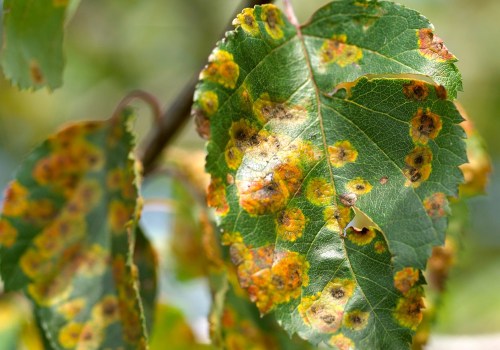
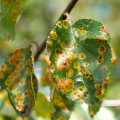
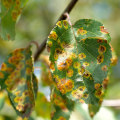
- Leaf Spot: Characterized by dark spots on leaves, this disease can be caused by bacteria or fungi. It often leads to premature leaf drop and can weaken the tree over time.
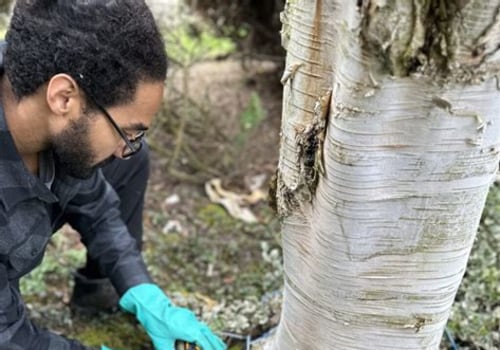
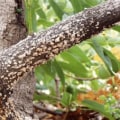
- Canker Diseases: These are localized areas of dead tissue on branches or trunks. Symptoms include sunken areas, oozing sap, and dieback of twigs or branches.
- Anthracnose: This fungal infection primarily affects hardwood trees, causing dark lesions on leaves and stems. It can lead to significant defoliation if not addressed promptly.
- Observe Symptoms: Regularly check your trees for any unusual changes in foliage, bark, or overall health.
- Research Specific Diseases: Familiarize yourself with the symptoms of common diseases that affect your tree species.
- Consult an Arborist: If you're unsure about the diagnosis, seek professional help to accurately identify the issue.
Initial Treatment Options for Tree Diseases
When faced with a tree disease that is not responding to treatment, it is crucial to explore initial treatment options that can effectively address the issue.These options can vary widely depending on the type of disease affecting your tree, but generally include chemical treatments, organic solutions, and cultural practices.
Chemical Treatments
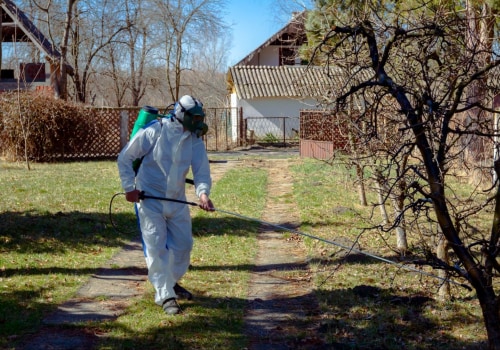
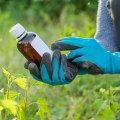
Chemical treatments are often the first line of defense against severe tree diseases. These may include:- Fungicides: Used to combat fungal infections, these chemicals can be applied as sprays or drenches to the soil.
- Pesticides: If insects are the cause of the disease, targeted pesticides can help eliminate the pests that are harming your tree.
- Herbicides: In cases where invasive plants are competing with your tree for resources, herbicides may be necessary to control their growth.
Organic Solutions
For those who prefer a more natural approach, there are several organic solutions available:- Neem Oil: This natural pesticide can help control a variety of pests and diseases.
- Baking Soda: A mixture of baking soda and water can be effective against certain fungal diseases when sprayed on affected areas.
- Companion Planting: Introducing beneficial plants nearby can help deter pests and improve soil health.
Cultural Practices
Cultural practices play a vital role in preventing and managing tree diseases. Consider implementing the following:- Proper Watering: Ensure your trees receive adequate water without overwatering, which can lead to root rot.
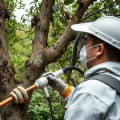
- Pruning: Regularly prune dead or diseased branches to improve air circulation and reduce disease spread.
- Soil Health: Test and amend your soil as needed to provide optimal nutrients for your trees.
Signs That Treatment Is Not Working
Recognizing the signs that tree disease treatment is not working is crucial for the health of your tree.Early detection can help you make informed decisions about further actions, potentially saving your tree from irreversible damage. Here are some key indicators that treatment may be failing:
- Persistent Symptoms: If the symptoms of the disease, such as leaf discoloration, wilting, or dieback, continue to worsen despite treatment, this is a clear sign that the current approach is ineffective.
- New Growth Issues: Healthy trees typically show signs of new growth during the growing season. If your tree is not producing new leaves or shoots, or if the new growth appears stunted or discolored, it may indicate that the treatment is not working.
- Increased Pest Activity: A tree under stress from disease may become more susceptible to pests. If you notice an uptick in insect activity or signs of infestation, it could mean that the tree's defenses are compromised due to ineffective treatment.
- Fungal Growth: The presence of fungi, such as mushrooms or conks at the base of the tree or on its trunk, can indicate a serious underlying issue. If these appear after treatment has begun, it may suggest that the disease is progressing.
- Overall Decline: A general decline in tree health, including premature leaf drop or bark peeling, can signal that the treatment is not addressing the root cause of the problem.
Consulting with a certified arborist can provide valuable insights and alternative solutions tailored to your specific situation.
What to Do If Treatment Fails
If you find that your tree disease treatment is not yielding the desired results, it’s crucial to take immediate action to prevent further decline. Here are some steps you can consider:Assess the Situation
Begin by closely examining the tree for any signs of improvement or deterioration. Look for symptoms such as leaf discoloration, bark lesions, or unusual growth patterns. Document these observations, as they can be helpful for a professional assessment.Consult an Arborist
If your initial treatment has failed, it may be time to consult a certified arborist.These professionals can provide a thorough diagnosis and recommend alternative treatments tailored to your tree's specific condition. They may also identify underlying issues that could be contributing to the disease.
Explore Alternative Treatments
There are several alternative treatments you might consider:- Biological Control: Utilizing beneficial microorganisms or insects that can combat the disease.
- Cultural Practices: Adjusting watering schedules, improving soil health, and ensuring proper pruning techniques can enhance tree resilience.
- Fungicides and Insecticides: If applicable, switching to a different chemical treatment may yield better results.
Implement Management Strategies
In addition to seeking alternative treatments, managing the overall health of your tree is essential:- Regular Monitoring: Keep a close eye on the tree’s condition and be proactive in addressing any new symptoms.
- Soil Health: Test the soil for nutrient deficiencies and amend it accordingly to support tree recovery.
- Watering Practices: Ensure that your tree receives adequate water without overwatering, which can exacerbate disease issues.
Consulting with Professionals: When to Seek Help
When dealing with a tree disease that is not responding to treatment, it is crucial to recognize when to seek help from professionals.Tree care professionals, particularly certified arborists, possess the expertise and tools necessary to diagnose complex tree health issues that may be beyond the scope of standard treatments.
Why Consult an Arborist?
- Expert Diagnosis: Arborists are trained to identify specific tree diseases and their causes, which can often be misdiagnosed by untrained individuals.
- Customized Treatment Plans: They can develop tailored treatment strategies based on the unique conditions of your tree and its environment.
- Preventive Measures: Professionals can also recommend preventive care practices to protect your trees from future diseases.
Signs It's Time to Seek Help
- If the tree shows signs of decline despite ongoing treatment, such as leaf discoloration, wilting, or unusual growth patterns.
- If you notice pests or fungi that seem resistant to common treatments.
- If the tree's condition worsens rapidly, indicating a potential emergency situation.
Preventive Measures for Future Tree Health
Maintaining the health of your trees is crucial in preventing future diseases. By implementing preventive measures, you can significantly reduce the risk of tree diseases and ensure long-term vitality.Regular Inspections
- Conduct regular inspections of your trees to identify any early signs of disease or distress.
Look for unusual leaf discoloration, wilting, or bark damage.
- Engage a certified arborist for professional assessments, especially for older or high-value trees.
Proper Watering Techniques
- Ensure your trees receive adequate water, especially during dry spells. However, avoid overwatering, which can lead to root rot and other moisture-related diseases.
- Use mulch around the base of the tree to retain moisture and regulate soil temperature.
Nutrient Management
- Fertilize your trees appropriately based on soil tests. A balanced nutrient supply promotes strong growth and resilience against diseases.
- Consider organic options like compost or well-rotted manure to enhance soil health.
Pest Control
- Monitor for pests that can weaken trees and make them more susceptible to diseases. Use integrated pest management (IPM) strategies to control infestations without harming beneficial insects.
- Encourage natural predators in your garden, such as ladybugs and birds, to help keep pest populations in check.
Pruning and Maintenance
- Regularly prune dead or diseased branches to improve air circulation and sunlight penetration, which are vital for tree health.
- Ensure that pruning is done correctly to avoid damaging the tree.
Use clean, sharp tools to make precise cuts.
Choosing Resistant Varieties
- When planting new trees, opt for species that are known for their resistance to common local diseases. Research native species that thrive in your area.
- Consult with local nurseries or extension services for recommendations on disease-resistant varieties.
FAQs About Tree Disease Treatment and Management
When dealing with tree disease treatment, it's common to have questions about the effectiveness of various methods and how to manage tree health. Here are some frequently asked questions that can help clarify your concerns:What are the signs that a tree disease is not responding to treatment?
If you notice that your tree continues to show symptoms such as wilting leaves, discoloration, or stunted growth despite treatment, it may indicate that the tree disease is not responding.Additionally, if new symptoms appear or existing ones worsen, it’s a sign to reassess your approach.
What should I do if my tree is not improving?
- Consult an Arborist: A certified arborist can provide a professional diagnosis and recommend alternative treatments.
- Review Treatment Methods: Ensure that you are using the correct treatment for the specific type of disease affecting your tree.
- Consider Environmental Factors: Assess whether environmental stressors, such as poor soil quality or inadequate water supply, may be impacting your tree's health.
How can I prevent tree diseases in the future?
Preventive measures are crucial for maintaining tree health. Here are some tips:- Regular Inspections: Conduct routine checks for early signs of disease.
- Proper Pruning: Remove dead or diseased branches to improve air circulation and reduce disease spread.
- Nutrient Management: Ensure your trees receive adequate nutrients through proper fertilization and soil management.