Tree diseases can significantly impact the health and longevity of trees, making it essential for tree owners and caretakers to understand what these diseases are and how to identify them.
Tree diseases
are often caused by a variety of factors, including fungi, bacteria, viruses, and environmental stressors. Each type of disease can manifest in different ways, affecting the tree's leaves, bark, roots, or overall growth. Recognizing the symptoms early can be the difference between saving a tree and losing it entirely. There are numerous types of tree diseases, ranging from root rot and leaf spot to cankers and blights.Each disease has its own set of characteristics and treatment options. For instance, fungal infections may require specific fungicides, while bacterial issues might necessitate pruning infected areas. Understanding these distinctions is crucial for effective tree disease treatment. Moreover, some diseases can spread rapidly to other trees in the vicinity, making early identification even more critical. The importance of identifying tree diseases cannot be overstated.
Not only does it help in preserving the health of individual trees, but it also plays a vital role in maintaining the overall ecosystem. Healthy trees contribute to air quality, provide habitat for wildlife, and enhance the aesthetic value of landscapes. By learning how to spot the signs of tree diseases early on, you empower yourself to take action that can lead to successful treatment and recovery.
Common Signs and Symptoms of Tree Diseases
Identifying tree diseases early is crucial for effective tree disease treatment. Various signs and symptoms can indicate that a tree is suffering from a disease.Here are some common indicators to watch for:
- Discoloration of Leaves: One of the first signs of a potential problem is the change in leaf color. Yellowing, browning, or spotting can indicate stress or disease.
- Wilting or Dropping Leaves: If leaves are wilting or falling off prematurely, it may suggest that the tree is not receiving adequate nutrients or water, possibly due to disease.
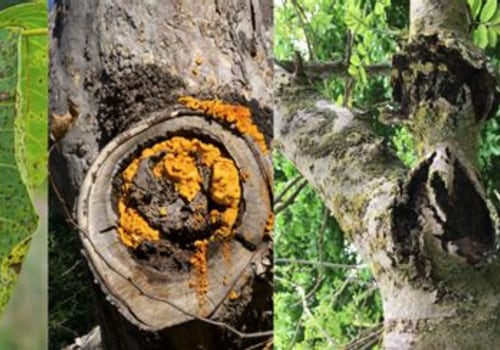
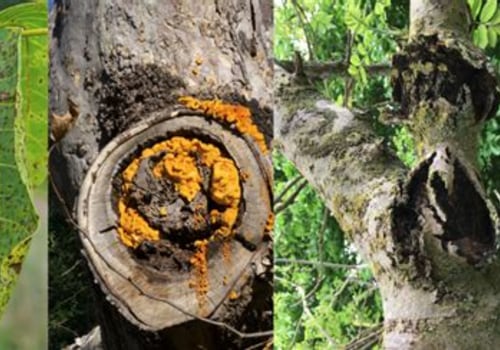
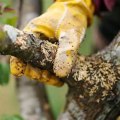
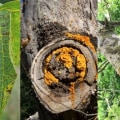
- Abnormal Growths: Look for unusual growths such as galls, cankers, or fungal fruiting bodies on the bark or leaves. These can be signs of specific diseases affecting the tree.
- Bark Damage: Cracks, peeling, or oozing sap from the bark can indicate serious issues. This damage may be a sign of infection or pest infestation.
- Pest Infestation: The presence of insects such as borers or aphids can also signal underlying tree health problems.
Pests often thrive on weakened trees.
Types of Tree Diseases
Identifying tree diseases is crucial for maintaining the health of your trees.Tree diseases can be broadly categorized into three main types: fungal, bacterial, and viral diseases. Each type presents unique symptoms and challenges, making it essential for tree owners to understand these categories.
Fungal Diseases in Trees
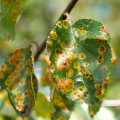
Fungal diseases are among the most common issues affecting trees. They thrive in moist environments and can spread rapidly. Some typical symptoms include:- Leaf spots: Dark or discolored patches on leaves.
- Cankers: Sunken areas on the bark that may ooze sap.
- Root rot: Decay of roots leading to tree instability.
Early detection is key to effective tree disease treatment.
Bacterial Diseases in Trees
Bacterial infections can also pose significant threats to tree health. These diseases often manifest through:- Galls: Abnormal growths on leaves or branches.
- Wilting: Sudden drooping of leaves, often accompanied by discoloration.
- Leaf blight: Rapid browning and death of leaf tissue.
Viral Diseases in Trees
Viral diseases are less common but can be equally damaging. Symptoms may include:- Mosaic patterns: Irregular light and dark green patterns on leaves.
- Dwarfing: Stunted growth of the tree.
- Leaf curl: Leaves may curl or become distorted.
Unfortunately, there are no direct treatments for viral infections, making prevention vital.Understanding these types of tree diseases allows you to take proactive measures in identifying and treating issues before they escalate, ensuring your trees remain healthy and vibrant.
How to Diagnose Tree Diseases
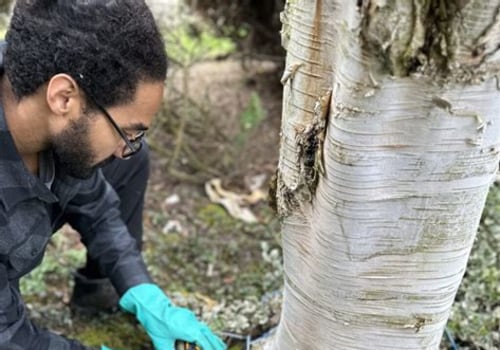
Diagnosing tree diseases is a critical step in ensuring the health and longevity of your trees. An accurate diagnosis not only helps in identifying the specific disease but also guides you towards the most effective tree disease treatment. Here are some essential methods for diagnosing tree diseases:- Visual Inspection: Begin with a thorough visual inspection of the tree. Look for signs such as discolored leaves, unusual growths, or bark abnormalities.
Pay attention to any wilting or dieback, as these can indicate underlying issues.
- Check for Pests: Sometimes, pests can mimic the symptoms of tree diseases. Inspect the tree for insects or their larvae, which may be causing damage. Identifying pest infestations early can prevent further complications.
- Soil Testing: The health of a tree is often linked to the quality of the soil it grows in. Conducting a soil test can reveal nutrient deficiencies or pH imbalances that may be affecting your tree's health.
- Laboratory Analysis: For more complex cases, consider sending samples to a laboratory for analysis.
This can include leaf samples, soil tests, or even wood samples. Professional analysis can provide definitive answers regarding pathogens or nutrient deficiencies.
Tree Disease Treatment Options
Identifying the right tree disease treatment is crucial for restoring the health of your trees.Different diseases require specific approaches, and understanding these options can significantly improve the chances of recovery.
Common Treatment Options
- Cultural Practices: Implementing good cultural practices can prevent and manage tree diseases. This includes proper watering, mulching, and pruning to improve air circulation and reduce humidity around the tree.
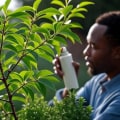
- Fungicides: For fungal infections, applying fungicides can be an effective treatment. It's essential to choose a product that targets the specific fungus affecting your tree. Always follow the manufacturer's instructions for application rates and timing.
- Pesticides: In cases where insects are the cause of the disease, using pesticides may be necessary.
Systemic insecticides can be absorbed by the tree and provide protection from pests that harm its health.
- Soil Amendments: Improving soil health can also aid in treating tree diseases. Adding organic matter or specific nutrients can enhance the tree's resilience against diseases.
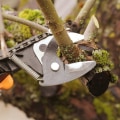
- Pruning: Removing infected branches or parts of the tree can help stop the spread of disease. Ensure you use sterilized tools to prevent further contamination.
Effective Treatments for Specific Diseases
Each type of tree disease may require a tailored approach. For example:- Root Rot: Improve drainage and consider using a fungicide specifically designed for root rot.
- Leaf Spot: Regularly remove affected leaves and apply fungicides as needed.
- Canker Diseases: Prune out cankers and apply appropriate treatments to protect healthy tissue.
Regular monitoring and early intervention are key to managing tree health successfully.
Preventing Tree Diseases
Preventing tree diseases is crucial for maintaining the health and longevity of your trees. By implementing a few best practices for tree care, you can significantly reduce the risk of disease and promote a thriving landscape.- Choose the Right Tree Species: Selecting tree species that are well-suited to your local climate and soil conditions can enhance their resilience against diseases. Research native species that are adapted to your area.
- Proper Planting Techniques: Ensure that trees are planted at the correct depth and in well-draining soil. Avoid planting too deeply, as this can lead to root rot and other issues.
- Regular Watering: Trees need adequate moisture, especially during dry spells.
However, overwatering can lead to fungal diseases. Aim for a balanced watering schedule that keeps the soil moist but not soggy.
- Mulching: Applying a layer of organic mulch around the base of your trees helps retain moisture, suppress weeds, and regulate soil temperature. This practice also prevents soil erosion and protects roots from extreme temperatures.
- Pruning: Regularly prune dead or diseased branches to improve air circulation and sunlight penetration. This not only enhances the tree's health but also reduces the likelihood of disease spread.
- Pest Management: Monitor your trees for signs of pests, as they can introduce diseases.
Use integrated pest management (IPM) strategies to control infestations without harming beneficial insects.
- Fertilization: Providing appropriate nutrients through fertilization can strengthen trees, making them less susceptible to diseases. Conduct a soil test to determine the right type and amount of fertilizer needed.
Frequently Asked Questions about Tree Diseases
When it comes to tree disease treatment, many homeowners have questions about how to identify and manage tree health issues. Here are some frequently asked questions that can help clarify common concerns.- What are the signs of tree diseases?Look for symptoms such as discolored leaves, wilting, unusual growths, or bark abnormalities.
These can indicate underlying health issues that may require tree disease treatment.
- How can I tell if my tree is sick?A sick tree may exhibit stunted growth, leaf drop, or a lack of new growth in spring. Additionally, check for pests or fungi that could be affecting its health.
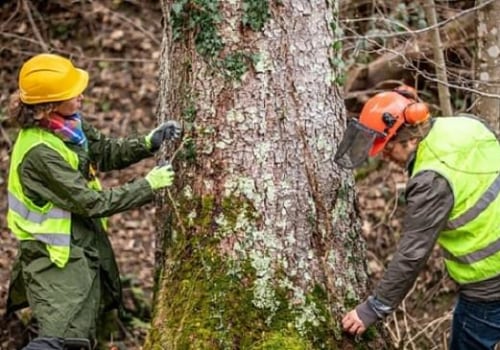
- What should I do if I suspect my tree is diseased?First, assess the symptoms and try to identify the specific disease. Consulting with a certified arborist can provide you with a professional diagnosis and treatment options.
- Can I treat tree diseases myself?While some minor issues can be managed with over-the-counter treatments, many diseases require professional intervention. It’s essential to understand the specific disease before attempting any treatment.
- How can I prevent tree diseases?Regular maintenance is key.
Ensure proper watering, pruning, and fertilization. Additionally, avoid wounding the tree and monitor for pests regularly.
Conclusion: Key Takeaways on Identifying and Treating Tree Diseases
Identifying and treating tree diseases is crucial for maintaining the health of your trees and the overall ecosystem. Throughout this article, we have explored various methods to recognize the signs of tree diseases and the importance of timely intervention. Here are the key takeaways:- Observation is Key: Regularly inspect your trees for any unusual symptoms such as discoloration, wilting leaves, or abnormal growth patterns.
Early detection can significantly improve the chances of successful treatment.
- Know the Common Diseases: Familiarize yourself with prevalent tree diseases in your area. Conditions like powdery mildew, root rot, and canker diseases can be identified through specific symptoms, making it easier to diagnose issues.
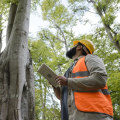
- Consult Experts: When in doubt, don’t hesitate to seek advice from a certified arborist or tree care professional. Their expertise can provide valuable insights into effective tree disease treatment.
- Treatment Options Vary: Depending on the disease, treatment may include pruning infected areas, applying fungicides, or improving soil conditions. Understanding the appropriate methods is essential for effective management.
- Preventive Measures Matter: Implementing good cultural practices such as proper watering, mulching, and fertilization can help prevent many tree diseases from occurring in the first place.
Remember that a healthy tree not only beautifies your property but also contributes positively to the environment.