Trees are not just beautiful additions to our landscapes; they play a crucial role in maintaining ecological balance and enhancing our quality of life. However, like all living organisms, trees are susceptible to a variety of tree diseases that can significantly impact their health and longevity. Understanding these diseases is essential for any tree owner or enthusiast, as the consequences of neglecting tree health can extend beyond the individual tree to affect entire ecosystems. When a tree becomes diseased, it may exhibit a range of symptoms that can compromise its structural integrity and vitality. These symptoms can include discolored leaves, unusual growth patterns, or even the presence of fungi and pests.
Recognizing these early warning signs is vital for effective tree disease treatment. By identifying potential issues before they escalate, tree owners can take proactive measures to protect their trees and ensure they continue to thrive. The impact of tree diseases extends beyond aesthetics; it can influence local wildlife, soil health, and even air quality. A healthy tree provides habitat for birds and insects, contributes to carbon sequestration, and helps prevent soil erosion. Conversely, a diseased tree can become a breeding ground for pests and pathogens that threaten surrounding flora.
Therefore, understanding the significance of tree health is not just about preserving beauty; it’s about safeguarding our environment.
Common Warning Signs of Tree Disease Susceptibility
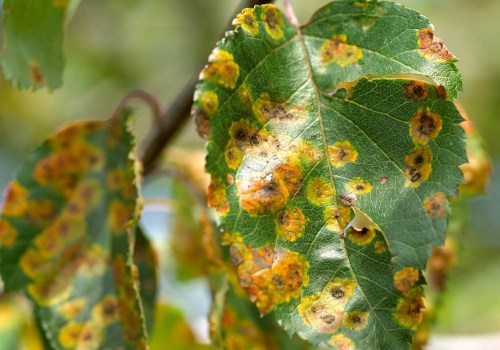
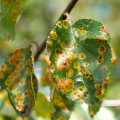
Identifying the warning signs of tree disease susceptibility is essential for maintaining the health of your trees and preventing the spread of diseases. Here are some common indicators to watch for:- Discoloration of Leaves: Yellowing, browning, or unusual spots on leaves can indicate stress or disease. Healthy trees typically have vibrant green foliage, so any significant color change should be investigated.
- Wilting or Dropping Leaves: If a tree's leaves are wilting or falling prematurely, it may be a sign of root problems or disease. This symptom often indicates that the tree is struggling to absorb water and nutrients.
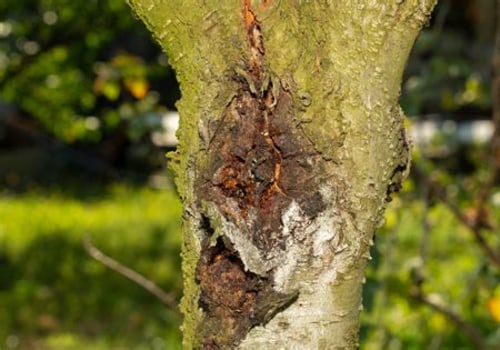
- Cracks or Cankers on Bark: Physical damage to the bark, such as cracks or cankers, can expose trees to pathogens.
These wounds can serve as entry points for diseases, making it crucial to monitor their condition.
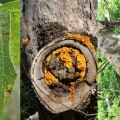
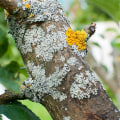
- Unusual Growths: The presence of galls, fungi, or other growths on the tree can signal an underlying issue. These growths may indicate a fungal infection or pest infestation that requires immediate attention.
- Pest Infestations: An increase in pests such as aphids, borers, or beetles can weaken a tree's defenses against diseases. Regularly inspecting your trees for signs of pests is vital for early intervention.
- Stunted Growth: If a tree is not growing as expected, it may be suffering from nutrient deficiencies or diseases. Stunted growth can be a clear indicator that something is amiss with the tree's health.
Trees that are planted in poorly drained soil or areas with inadequate sunlight are more likely to experience stress and become vulnerable to infections. Regular monitoring and maintenance can help mitigate these risks.By being vigilant and recognizing these tree disease symptoms, you can take proactive steps in tree disease treatment, ensuring your trees remain healthy and resilient against potential threats.
Environmental Factors Contributing to Tree Disease Vulnerability
Understanding the environmental factors that contribute to a tree's vulnerability to diseases is crucial for effective tree disease treatment. Several key elements can significantly impact a tree's health and its ability to resist infections.Soil Conditions
The quality of the soil in which a tree is planted plays a vital role in its overall health. Trees require a balanced mix of nutrients, moisture, and aeration to thrive.Poor soil conditions, such as:
- Compacted soil, which restricts root growth and water absorption.
- Low nutrient levels, leading to weakened trees that are more susceptible to diseases.
- Excessive drainage, causing drought stress, or poor drainage, leading to root rot.
Moisture Levels
Moisture is another critical factor influencing tree health. Both overwatering and underwatering can lead to stress, making trees more prone to diseases. For instance:- Overwatering can create conditions favorable for fungal infections, while
- Underwatering can weaken a tree's defenses against pathogens.
Climate Impact on Trees
The climate in which a tree grows also affects its vulnerability to diseases. Extreme temperatures, whether hot or cold, can stress trees and make them more susceptible to infections.Additionally, changes in climate patterns can lead to:
- Increased humidity, which may promote fungal growth.
- Drought conditions, weakening trees and making them more vulnerable.
Common Tree Diseases and Their Symptoms
Understanding common tree diseases and their symptoms is crucial for early detection and effective tree disease treatment. Here are some prevalent diseases that affect trees, along with their specific symptoms:- Powdery Mildew: This fungal disease manifests as a white, powdery coating on leaves and stems. Infected trees may show stunted growth and yellowing leaves.
- Root Rot: Often caused by overwatering or poor drainage, root rot leads to wilting, yellowing leaves, and a general decline in tree health. A foul smell from the soil can also indicate this disease.
- Leaf Spot: Characterized by dark spots on leaves, this disease can lead to premature leaf drop.
It often occurs in wet conditions and can weaken the tree over time.
- Canker Diseases: These are localized areas of dead tissue on branches or trunks. Symptoms include sunken areas, oozing sap, and dieback of twigs or branches.
- Anthracnose: This fungal infection primarily affects hardwood trees, causing leaf spots, twig dieback, and cankers. It thrives in cool, wet conditions.
Similarly, the presence of powdery mildew can signal a need for immediate intervention to prevent further spread.In addition to these diseases, environmental factors such as drought stress or poor soil quality can exacerbate symptoms and make trees more vulnerable to infections. Regular monitoring and maintenance are key to ensuring your trees remain healthy and resilient against these common threats.
Preventive Measures for Tree Health Maintenance
Maintaining the health of your trees is crucial for preventing tree diseases and ensuring their longevity. By implementing a few proactive measures, you can significantly reduce the risk of disease susceptibility.Regular Inspections
Conducting regular inspections of your trees is essential. Look for signs of distress such as:- Discoloration of leaves or bark
- Wilting or drooping branches
- Unusual growths, such as galls or fungi
- Pest infestations, including visible insects or webs
Proper Watering Techniques
Watering is a critical aspect of tree health.Ensure that your trees receive adequate moisture without overwatering. Here are some tips:
- Water deeply but infrequently to encourage deep root growth.
- Avoid watering in the late afternoon or evening to prevent fungal growth.
- Use mulch around the base to retain moisture and regulate soil temperature.
Nutrient Management
Providing the right nutrients is vital for tree vitality. Consider the following:- Conduct a soil test to determine nutrient deficiencies.
- Apply organic fertilizers that promote healthy growth.
- Avoid over-fertilization, which can lead to weak growth and increased disease susceptibility.
Pruning and Maintenance
Regular pruning helps maintain tree structure and health. Focus on:- Removing dead or diseased branches promptly.
- Thinning out crowded areas to improve air circulation.
- Avoiding excessive pruning, which can stress the tree.
Remember, proactive management is key to preventing tree disease and ensuring long-term health.
When to Seek Professional Help for Tree Diseases
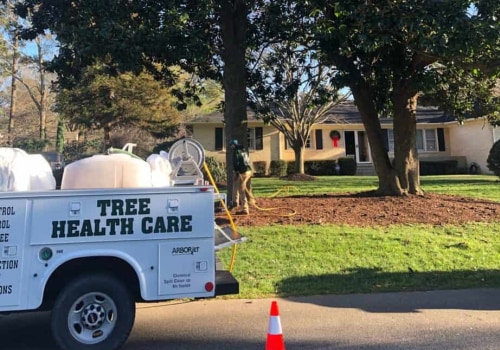
Understanding when to seek professional help for tree diseases is crucial for maintaining the health and longevity of your trees. Homeowners often overlook subtle signs that indicate a tree may be suffering from a disease, which can lead to more severe problems down the line. Here are some key indicators that it’s time to call in an arborist or tree care specialist:- Visible Symptoms: If you notice unusual leaf discoloration, wilting, or premature leaf drop, these could be signs of underlying issues. Additionally, bark abnormalities such as cracks, peeling, or oozing sap warrant immediate attention.
- Pest Infestation: The presence of pests like aphids, borers, or scale insects can compromise a tree's health.
If you see an increase in pest activity that seems unmanageable, it’s time to consult an expert.
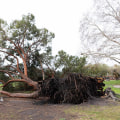
- Structural Issues: Trees that exhibit leaning or have large branches that appear weak or broken should be evaluated by a professional. Structural integrity is vital for the safety of your property and surrounding areas.
- Soil and Root Problems: If you observe signs of root rot or soil compaction around the base of your tree, these issues can severely affect its health. An arborist can assess the situation and recommend appropriate tree disease treatment.
This plan may include soil testing, proper watering techniques, and fertilization schedules that enhance your tree's resilience against diseases.In summary, if you notice any concerning symptoms or changes in your trees, don’t hesitate to reach out for expert help. Early intervention is key to preventing further damage and ensuring the health of your trees for years to come.
FAQs About Tree Disease Treatment and Prevention
When it comes to tree disease treatment, understanding the common questions surrounding tree health can significantly aid in prevention and care. Here are some frequently asked questions:- What are the early signs of tree disease? Look for symptoms such as discolored leaves, wilting, or unusual growth patterns. These can indicate underlying health issues.
- How can I prevent tree diseases? Regular maintenance is key.
Ensure proper watering, pruning, and mulching practices. Additionally, avoid damaging the bark and monitor for pests.
- Is it possible to treat a diseased tree? Yes, many tree diseases can be treated with appropriate methods, including fungicides or insecticides. However, the success of treatment often depends on the type and severity of the disease.
- When should I consult a professional? If you notice significant changes in your tree's health or if the disease appears to be spreading rapidly, it's best to consult an arborist for expert advice.
Conclusion: Key Takeaways on Tree Disease Susceptibility
In conclusion, recognizing the warning signs that a tree may be more susceptible to diseases is crucial for effective tree disease treatment.By being vigilant and proactive, tree owners can significantly enhance the health and longevity of their trees. Here are some key takeaways to remember:
- Monitor Tree Health: Regularly inspect your trees for any signs of distress, such as wilting leaves, unusual growth patterns, or discoloration. Early detection is vital.
- Understand Environmental Factors: Trees exposed to stressors like drought, poor soil conditions, or extreme weather are more vulnerable to diseases. Ensure your trees are planted in suitable locations with adequate care.
- Look for Pests: Insects can weaken trees and make them more susceptible to diseases. Keep an eye out for pest infestations and take action promptly.
- Maintain Proper Pruning: Proper pruning techniques can improve air circulation and sunlight penetration, reducing the risk of fungal infections and other diseases.
- Consult Professionals: If you notice persistent issues or are unsure about the health of your trees, consulting an arborist can provide valuable insights and treatment options.
Remember, prevention is always better than cure when it comes to tree disease treatment.