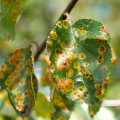
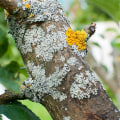
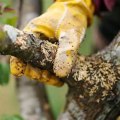
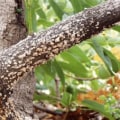
Understanding tree diseases is essential for any homeowner who values the health and beauty of their landscape. Trees, much like humans, can fall victim to a variety of ailments that can compromise their vitality and longevity. These diseases can stem from various sources, including fungi, bacteria, viruses, and environmental stressors. By familiarizing yourself with the common types of tree diseases and their symptoms, you can take proactive measures to protect your trees and prevent the spread of infection. Some of the most prevalent types of tree diseases include root rot, leaf spot, and cankers.
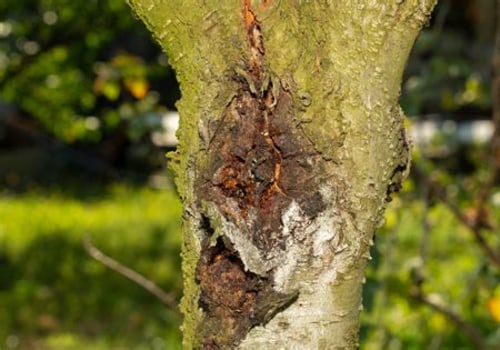
Root rot often manifests as wilting leaves and stunted growth, while leaf spot may present as discolored patches on foliage. Cankers, on the other hand, are characterized by sunken areas on the bark that can lead to dieback if left untreated. Recognizing these symptoms early is crucial; it allows for timely intervention that can save not only the affected tree but also neighboring trees that may be at risk. In addition to identifying specific diseases, understanding the environmental conditions that contribute to tree health is vital. Factors such as soil quality, moisture levels, and sunlight exposure play significant roles in a tree's susceptibility to disease.
By maintaining optimal conditions and being vigilant about signs of distress, you can create a healthier environment for your trees and significantly reduce the likelihood of disease outbreaks in your yard.
Identifying Infected Trees
Identifying infected trees in your yard is crucial for effective tree disease treatment. Early detection can significantly reduce the risk of spreading the disease to healthy trees. Here are some key signs to look for:- Discoloration of Leaves: One of the first indicators of tree disease is a change in leaf color. Look for yellowing, browning, or unusual spots on the leaves.
- Wilting or Dropping Leaves: If you notice leaves wilting or falling prematurely, this could be a sign of stress due to disease.
- Unusual Growths: Check for any abnormal growths such as galls, cankers, or fungal fruiting bodies on the bark or branches.
- Cracked or Peeling Bark: Damage to the bark can indicate underlying issues.
Cracks or peeling may suggest that the tree is struggling with a disease.
- Stunted Growth: Trees that are not growing as expected may be suffering from a disease that affects their overall health.
- Isolate the Infected Tree: To prevent the spread of disease, isolate any infected trees from healthy ones.
- Consult an Arborist: If you are unsure about the diagnosis, seek professional help. An arborist can provide a thorough evaluation and recommend appropriate tree disease treatment.
Isolating Infected Trees
Isolating infected trees is a crucial step in managing tree disease treatment and preventing the spread of pathogens to healthy trees in your yard. By effectively quarantining affected trees, you can minimize the risk of transmission and protect your entire landscape.Here are some effective methods for isolating infected trees:- Physical Barriers: Create a physical barrier around the infected tree using fencing or stakes to prevent animals and human activity from disturbing the area.
This can help contain the disease.
- Distance: If possible, remove the infected tree from proximity to healthy ones. A distance of at least 10-15 feet is recommended, depending on the type of disease.
- Mulching: Apply a thick layer of mulch around the base of the infected tree. This can help suppress soil-borne pathogens and reduce their spread through soil contact.
- Regular Monitoring: Keep a close eye on the infected tree and surrounding area for any signs of disease spread. Early detection is key to effective management.
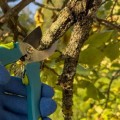
- Pruning: Carefully prune away any dead or diseased branches, ensuring that you disinfect your tools between cuts to avoid cross-contamination.
Different diseases may require unique isolation techniques or treatments. Consulting with a local arborist or extension service can provide valuable insights tailored to your situation.By implementing these isolation strategies, you can significantly reduce the risk of spreading tree diseases in your yard, ensuring that your healthy trees remain safe and thriving.
Treatment Options for Infected Trees
When dealing with tree diseases, it is crucial to act swiftly to prevent further spread and ensure the health of your trees. There are several treatment options available, each suited to different types of infections and tree species.Chemical Treatments
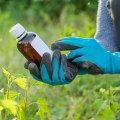
Chemical treatments can be effective for certain tree diseases, particularly those caused by fungi or insects. Here are some common chemical options:- Fungicides: These are used to combat fungal infections.
It’s important to select a fungicide that is specifically labeled for the type of fungus affecting your tree.
- Pesticides: If insects are the cause of the disease, applying a targeted pesticide can help eliminate the pests and reduce damage.
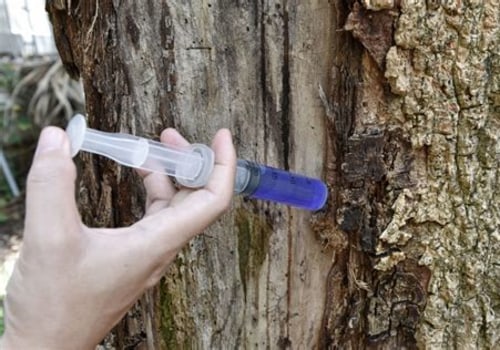
- Systemic Treatments: These are absorbed by the tree and can provide long-lasting protection against various pathogens.
Organic Solutions
If you prefer a more natural approach, there are several organic solutions that can be effective:- Neem Oil: This natural pesticide can help control both fungal and insect issues.
- Baking Soda: A mixture of baking soda and water can be sprayed on leaves to combat certain fungal diseases.
- Companion Planting: Planting certain species nearby can deter pests and improve overall tree health.
Cultural Practices
Cultural practices play a vital role in preventing and managing tree diseases. Consider the following:- Proper Watering: Ensure trees receive adequate water without overwatering, which can lead to root rot.
- Pruning: Regularly prune dead or infected branches to improve air circulation and reduce disease spread.
- Soil Health: Maintain healthy soil through mulching and organic amendments to promote strong root systems.
Preventive Measures for Healthy Trees
Maintaining the health of your trees is crucial in preventing the spread of tree diseases. By implementing a few key practices, you can significantly reduce the risk of infection and ensure your trees thrive.Regular Inspections Conducting regular inspections of your trees is essential.Look for signs of disease such as discolored leaves, unusual growths, or wilting branches. Early detection allows for prompt action, which can prevent further spread.Proper Watering Techniques Watering your trees correctly is vital for their health. Overwatering can lead to root rot, while underwatering can stress the tree, making it more susceptible to disease. Aim for deep watering sessions that encourage strong root development, and always check the soil moisture before watering.Fertilization and Soil Health Healthy soil promotes healthy trees.
Use organic fertilizers to provide essential nutrients and improve soil structure. Conduct soil tests to determine nutrient levels and pH balance, ensuring your trees receive the right care.Pruning and Maintenance
- Regularly prune dead or diseased branches to improve air circulation and sunlight penetration.
- Remove any fallen leaves or debris around the base of the tree to minimize disease vectors.
Maintain a safe distance when mowing or using string trimmers. By following these best practices for tree care, you can enhance the resilience of your trees against diseases and contribute to a healthier landscape overall.
Monitoring and Maintenance Practices
To effectively prevent the spread of tree disease in your yard, implementing consistent monitoring and maintenance practices is crucial. Regularly checking the health of your trees can help you identify potential issues before they escalate into serious problems.Monitoring Tree Health
- Conduct visual inspections at least once a month, looking for signs of distress such as discolored leaves, unusual growth patterns, or visible pests.
- Keep an eye out for any fungal growth on the bark or soil, as this can indicate underlying issues.
- Use a moisture meter to check soil conditions; overwatering or underwatering can stress trees and make them more susceptible to diseases.
Regular Tree Maintenance
- Pruning: Regularly prune dead or diseased branches to improve air circulation and reduce the risk of disease spread.
- Mulching: Apply organic mulch around the base of trees to retain moisture and suppress weeds, which can harbor pests.
- Fertilization: Ensure your trees receive adequate nutrients through balanced fertilization, promoting strong growth and resilience against diseases.
Tree Care Tips
- Consider using disease-resistant tree varieties when planting new trees in your yard.
- Avoid wounding trees during maintenance; use clean tools to prevent introducing pathogens.
- If you notice any signs of disease, consult with a certified arborist for professional advice on treatment options.
FAQs About Tree Disease Treatment and Prevention
When it comes to tree disease treatment, many homeowners have questions about how to effectively manage and prevent the spread of diseases in their yards. Here are some frequently asked questions that can help you better understand tree disease management.What are the signs of tree disease?
Identifying tree diseases early is crucial for effective treatment. Common signs include:- Discoloration of leaves or bark
- Wilting or drooping branches
- Unusual growths, such as galls or cankers
- Fungal growth on the trunk or soil
- Leaf drop or premature fall
How can I prevent tree diseases?
Preventing tree diseases involves a combination of good practices:- Regular inspections: Check your trees frequently for any signs of distress.
- Proper watering: Ensure trees receive adequate water, especially during dry spells, but avoid overwatering.
- Pruning: Remove dead or diseased branches to improve air circulation and reduce the risk of infection.
- Pest control: Manage pests that can introduce diseases to your trees.
- Soil health: Maintain healthy soil through mulching and organic amendments to support strong root systems.
Can I treat a diseased tree myself?
While some minor issues can be managed at home, it’s often best to consult a professional arborist for serious diseases.They can provide targeted tree disease treatment, including:
- Pesticides: Application of fungicides or insecticides as needed.
- Cultural practices: Recommendations for improving tree health and resilience.
- Surgical interventions: Techniques like crown thinning or bark grafting may be necessary for severe cases.