Trees are not just vital components of our ecosystem; they also enhance the beauty of our landscapes and provide numerous benefits, from improving air quality to offering shade and habitat for wildlife. However, like all living organisms, trees are susceptible to a variety of diseases that can significantly impact their health and longevity. Understanding tree diseases is crucial for anyone who values the role these majestic plants play in our environment. Tree diseases can arise from various sources, including fungi, bacteria, viruses, and environmental stressors. Each type of disease presents unique challenges and symptoms, making it essential for tree owners and caretakers to recognize the signs early on.
The consequences of neglecting tree health can be severe, leading to not only the decline of individual trees but also affecting the surrounding ecosystem. This is where tree disease treatment becomes vital. In this article, we will delve into the most common types of tree diseases, exploring their causes, symptoms, and effective treatment options. By equipping yourself with knowledge about these ailments, you can take proactive steps to protect your trees and ensure they thrive for generations to come. Whether you are a seasoned arborist or a casual gardener, understanding tree diseases is an essential part of maintaining a healthy landscape.
Overview of Common Tree Diseases
Understanding the common types of tree diseases is crucial for effective tree disease treatment.Trees, like all living organisms, are susceptible to various ailments that can significantly impact their health and longevity. Here are some of the most prevalent tree diseases:
- Root Rot: Caused by fungal pathogens, root rot affects the tree's ability to absorb water and nutrients. Symptoms include yellowing leaves, stunted growth, and a general decline in vigor.
- Powdery Mildew: This fungal disease appears as a white powdery substance on leaves and stems. It thrives in warm, dry conditions and can lead to leaf distortion and premature leaf drop.
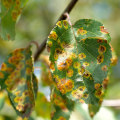
- Leaf Spot: Leaf spot diseases are characterized by dark spots on leaves, which can vary in color depending on the pathogen.
These spots can lead to defoliation if not managed properly.
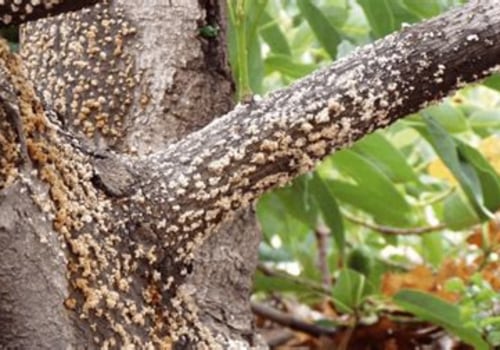
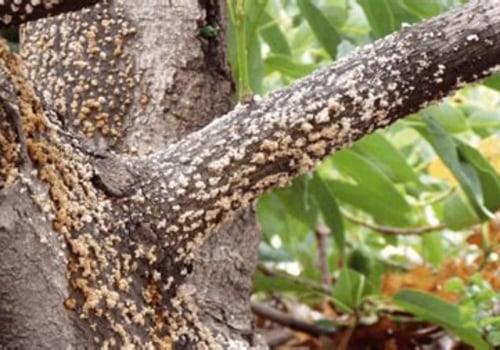
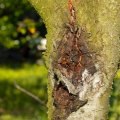
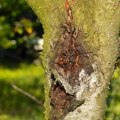
- Canker Diseases: Cankers are localized areas of dead tissue on stems or branches, often caused by fungi or bacteria. They can girdle branches, leading to dieback and potentially killing the tree.
- Blight: Blight diseases cause rapid wilting and death of leaves, flowers, or shoots. They can spread quickly and often require immediate intervention to prevent further damage.
Regular monitoring and proper care can help mitigate the effects of these diseases and promote healthier trees.
Fungal Tree Diseases
Fungal diseases are among the most prevalent issues affecting trees, often leading to significant health problems if not addressed promptly. Understanding the common types of fungal tree diseases is crucial for effective tree disease treatment.One of the most notorious fungal infections is root rot, which can be caused by various fungi such as Phytophthora and Armillaria. This disease typically occurs in poorly drained soils, where excess moisture promotes fungal growth. Symptoms include yellowing leaves, stunted growth, and a general decline in tree vigor.To treat root rot, it is essential to improve soil drainage and apply fungicides specifically designed for root pathogens.Another common fungal issue is powdery mildew, characterized by a white, powdery coating on leaves and stems. This disease thrives in warm, dry conditions and can weaken trees by reducing photosynthesis. Effective treatment options include applying fungicidal sprays and ensuring proper air circulation around the tree.
- Leaf Spot: Caused by various fungi, leaf spot manifests as dark spots on leaves, leading to premature leaf drop. Treatment involves removing affected leaves and applying appropriate fungicides.
- Canker Diseases: These are localized infections that cause dieback in branches.
Common canker fungi include Coryneum and Cylindrocladium. Pruning infected areas and using protective fungicides can help manage these diseases.
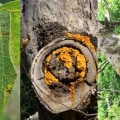
- Rust: Rust fungi produce bright orange or yellow pustules on leaves and stems. To combat rust, it’s important to remove infected plant debris and apply fungicides during the early stages of infection.
Bacterial Tree Diseases
Bacterial tree diseases pose significant threats to the health of various tree species, often leading to severe damage or even death if not managed properly.Two of the most common bacterial infections in trees are fire blight and bacterial leaf scorch.
Fire Blight
Fire blight is primarily caused by the bacterium Erwinia amylovora, which affects members of the rose family, including apple and pear trees. This disease is characterized by wilting, blackening of blossoms, and a scorched appearance of branches. Infected trees may also exhibit cankers that ooze a sticky substance, especially during warm, wet weather.Bacterial Leaf Scorch
Bacterial leaf scorch is caused by the bacterium Xylella fastidiosa, affecting a wide range of trees, including oaks and sycamores. Symptoms include yellowing leaves with brown edges, stunted growth, and premature leaf drop.This disease disrupts the tree's vascular system, leading to water stress and overall decline.
Treatment for Bacterial Tree Disease
Effective tree disease treatment strategies vary depending on the specific bacterial infection:- Fire Blight: Pruning infected branches during dry weather can help prevent the spread of fire blight. It’s crucial to sterilize pruning tools between cuts to avoid cross-contamination.
- Bacterial Leaf Scorch: While there is no cure for this disease, maintaining tree health through proper watering and fertilization can help mitigate symptoms. Additionally, removing infected trees may be necessary to protect nearby healthy specimens.
Viral Tree Diseases
Viral tree diseases can significantly impact the health and productivity of trees, leading to a range of symptoms that can be detrimental to their growth.Two common viral infections that affect trees are the mosaic virus and the leaf curl virus.
Mosaic Virus
- The mosaic virus is characterized by mottled or variegated leaves, which can appear yellow or light green against a darker green background.
- This virus spreads primarily through insect vectors, such as aphids, which transfer the virus from infected to healthy plants.
- Infected trees may exhibit stunted growth and reduced fruit yield, making early detection crucial for effective management.
Leaf Curl Virus
- The leaf curl virus causes leaves to curl upwards, often resulting in distorted growth and a decrease in photosynthetic efficiency.
- This virus is also spread by insect vectors and can lead to severe damage if not addressed promptly.
- Symptoms may include yellowing of leaves and premature leaf drop, which can weaken the tree over time.
Treatment Options
While there is no cure for viral infections in trees, several tree virus treatment strategies can help manage the symptoms and prevent further spread:
- Pruning: Remove infected branches and foliage to reduce the viral load and improve air circulation.
- Insect Control: Implementing pest management strategies to control aphid populations can help prevent the transmission of viruses.
- Healthy Practices: Maintaining overall tree health through proper watering, fertilization, and mulching can enhance resilience against viral infections.
Environmental Factors Contributing to Tree Diseases
Understanding the environmental factors that contribute to tree diseases is crucial for effective tree disease treatment. Various stressors can weaken trees, making them more susceptible to infections and pests. Here are some key environmental factors:- Drought: Insufficient water supply can lead to stress in trees, causing them to become more vulnerable to diseases.
Drought conditions hinder a tree's ability to absorb nutrients, weakening its overall health.
- Pollution: Air and soil pollution can have detrimental effects on tree health. Pollutants can damage leaves, disrupt photosynthesis, and impair root function, leading to increased susceptibility to diseases.
- Soil Quality: The quality of soil plays a significant role in tree health. Poor soil conditions, such as compaction or nutrient deficiency, can limit root growth and reduce a tree's ability to thrive. This makes trees more prone to diseases.
For instance, increased temperatures may exacerbate drought conditions or promote the spread of pests and pathogens. To mitigate these risks, it is essential for tree caretakers to monitor environmental conditions and implement practices that promote healthy growth. Regular assessments of soil quality, water availability, and pollution levels can help in identifying potential stress factors early on. By understanding how the environment affects tree health, we can take proactive measures in tree disease treatment, ensuring that trees remain resilient against various threats.
Preventive Measures for Tree Health
Maintaining the health of your trees is essential for preventing tree diseases and ensuring their longevity. Implementing effective preventive measures can significantly reduce the risk of infections and infestations. Here are some best practices for tree care that every tree owner should consider:- Proper Watering: Trees require adequate moisture to thrive.
Overwatering can lead to root rot, while underwatering can stress the tree, making it more susceptible to disease. Aim for deep watering sessions that encourage roots to grow deeper into the soil.
- Regular Pruning: Pruning is crucial for maintaining tree health. Remove dead or diseased branches promptly to prevent the spread of pathogens. Additionally, thinning out crowded branches improves air circulation and sunlight penetration, reducing the likelihood of fungal infections.
- Soil Management: Healthy soil is the foundation of a healthy tree.
Conduct soil tests to determine nutrient levels and pH balance. Amend the soil as needed with organic matter or fertilizers to promote robust growth.
- Pest Control: Monitor your trees for signs of pests, such as discolored leaves or unusual growth patterns. Early detection and treatment can prevent minor infestations from escalating into serious problems.
- Mulching: Applying a layer of mulch around the base of your trees helps retain moisture, suppress weeds, and regulate soil temperature. Organic mulches also improve soil quality as they decompose.
Regular monitoring and proactive care are key components in ensuring your trees remain vibrant and resilient against potential threats.
Treatment Options for Affected Trees
When it comes to tree disease treatment, understanding the available options is crucial for restoring the health of affected trees. Treatment methods can vary significantly based on the type of disease, the severity of the infection, and the specific tree species involved.Chemical Treatments
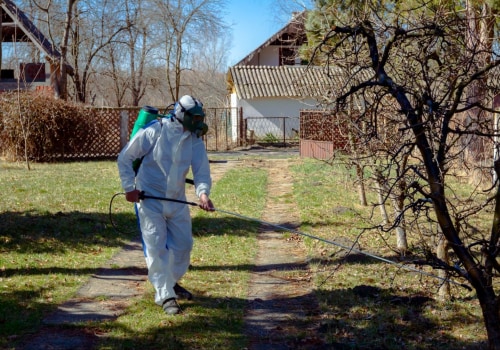
Chemical treatments are often the first line of defense against serious tree diseases. These can include:- Pesticides: Used to combat insect infestations that may be contributing to tree diseases.
- Fungicides: Effective against fungal infections, these chemicals can help control and eliminate pathogens.
- Herbicides: Sometimes necessary to remove competing vegetation that may harbor diseases.
Organic Solutions
For those seeking more natural alternatives, several organic solutions can be effective in treating tree diseases:- Neem Oil: This natural pesticide can help control a variety of pests and diseases.
- Baking Soda: A simple solution that can be mixed with water and applied to combat fungal infections.
- Companion Planting: Introducing certain plants that deter pests or attract beneficial insects can help protect trees from disease.
When to Seek Professional Help
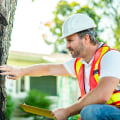
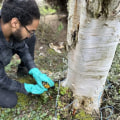
If a tree shows severe symptoms or if the disease is widespread, it may be time to consult a professional arborist. They can provide:- A thorough diagnosis of the tree's condition.
- Advanced treatment options tailored to the specific disease.
- Advice on long-term care and prevention strategies.
Regular monitoring and early detection can significantly improve treatment outcomes and ensure the longevity of your trees.
Frequently Asked Questions about Tree Diseases
Understanding tree diseases is crucial for maintaining the health of your trees. Here are some frequently asked questions regarding tree diseases and their treatments:What are the signs of tree diseases?
Identifying tree diseases early can significantly improve the chances of recovery. Common signs include:- Discoloration of leaves or bark
- Wilting or drooping branches
- Unusual growths, such as galls or cankers
- Fungal growth, like mushrooms at the base of the tree
- Leaf drop or premature shedding
How can I treat tree diseases?
Treatment options vary depending on the type of disease affecting your tree. Here are some common approaches:- Cultural practices: Improve soil health and drainage, and ensure proper watering.
- Pesticides: Use fungicides or insecticides as recommended by a professional.
- Pruning: Remove infected branches to prevent the spread of disease.
When should I consult a professional?
If you notice severe symptoms or if the disease is spreading rapidly, it’s best to consult an arborist.They can provide a proper diagnosis and recommend effective treatment options tailored to your specific situation. By staying informed and proactive, you can help ensure your trees remain healthy and vibrant.
Conclusion: Key Takeaways on Tree Disease Management
In summary, understanding the various types of tree diseases is crucial for effective tree disease treatment. From fungal infections like root rot to bacterial issues such as bacterial blight, each disease presents unique challenges that require tailored approaches for management and prevention.Proactive care
is essential in maintaining tree health. Regular inspections can help identify early signs of disease, allowing for timely intervention. Here are some key takeaways:- Identification: Recognizing symptoms early can significantly improve treatment outcomes.
Look for discoloration, wilting, or unusual growth patterns.
- Prevention: Implementing good cultural practices, such as proper watering and pruning, can reduce the risk of disease.
- Treatment Options: Depending on the disease, treatments may include fungicides, bactericides, or even physical removal of affected areas.
- Consultation: When in doubt, consulting with a certified arborist can provide expert guidance tailored to your specific situation.