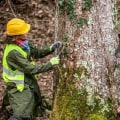
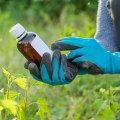
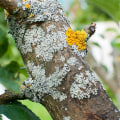
Trees play a vital role in our ecosystem, providing not only aesthetic value but also essential benefits such as air purification, carbon sequestration, and habitat for wildlife. However, like any living organism, trees are susceptible to various diseases that can threaten their health and longevity.
Tree disease treatment
is crucial for maintaining the vitality of these natural resources, but it is equally important to understand the government regulations that govern these practices. In the United States, tree health management is influenced by a complex web of federal, state, and local regulations aimed at protecting both public and private trees. These regulations often dictate the methods and substances that can be used in disease management, ensuring that treatments are safe for the environment and do not pose risks to human health or non-target species.For instance, certain pesticides may be restricted or require special permits for use, reflecting a growing awareness of the ecological impacts of chemical treatments. Understanding these regulations is essential for anyone involved in tree disease treatment, from arborists to landowners. Compliance not only helps in effectively managing tree health but also fosters sustainable practices that benefit the broader ecosystem. As we delve deeper into this topic, we will explore specific regulations, their implications for tree care professionals, and how they shape the future of tree health management.
Overview of Tree Diseases and Their Impact
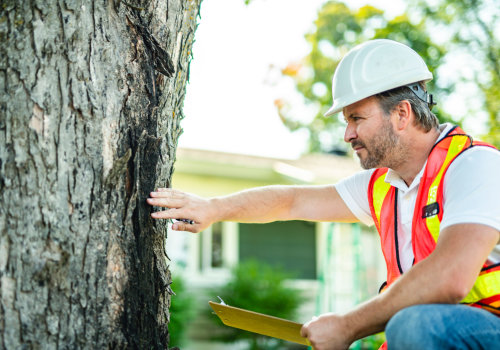
Tree diseases can significantly affect not only the health of individual trees but also the broader ecosystem. Understanding the various types of tree diseases is essential for effective management and treatment. Common types of tree diseases include:- Fungal Infections: These are among the most prevalent tree diseases, often manifesting as leaf spots, cankers, or root rot.
Examples include Armillaria (root rot) and Diplodia (canker).
- Bacterial Diseases: Bacterial infections can lead to wilting, leaf blight, and gumming. Notable examples are Pseudomonas syringae, which causes bacterial blight.
- Viral Diseases: Though less common, viral infections can cause stunted growth and leaf discoloration. Tobacco mosaic virus is one such example.
- Discoloration of leaves
- Wilting or drooping branches
- Unusual growths or galls
This decline can disrupt local ecosystems, affecting wildlife habitats and reducing biodiversity. Moreover, tree diseases can have economic implications, particularly in forestry and landscaping industries. Infected trees may require costly treatments or removal, impacting property values and local economies. In summary, recognizing the types and symptoms of tree diseases is crucial for maintaining tree health and ensuring the vitality of our ecosystems. This understanding lays the groundwork for discussing effective tree disease treatment options and any associated regulations that may apply.
Government Regulations on Tree Disease Treatment
When it comes to tree disease treatment, understanding the legal landscape is crucial for both homeowners and professionals in the field. Various government regulations exist at the federal, state, and local levels that dictate how tree diseases can be managed and treated.Federal Regulations
- The U.S.
Environmental Protection Agency (EPA) plays a significant role in regulating the use of pesticides, which are often employed in the treatment of tree diseases. The EPA requires that all pesticides be registered and approved before they can be used, ensuring that they meet safety standards for human health and the environment.
- Additionally, the Animal and Plant Health Inspection Service (APHIS) oversees the management of plant pests and diseases, including those affecting trees. They may impose restrictions on certain treatments to prevent the spread of invasive species.
State Regulations
- Each state has its own set of regulations regarding tree disease treatment. For instance, many states require licenses for individuals applying pesticides, ensuring that only trained professionals handle potentially hazardous materials.
- Some states also have specific laws regarding the treatment of certain tree diseases, particularly those that are considered a threat to local ecosystems.
This can include mandatory reporting of outbreaks or restrictions on specific treatment methods.
Local Regulations
- Local municipalities may impose additional regulations that affect how tree diseases are treated. These can include ordinances related to pesticide use in residential areas or requirements for tree removal in cases of severe disease.
- Homeowners should check with their local government or extension services to ensure compliance with any applicable laws before proceeding with treatment.
Permits and Licensing for Tree Disease Treatment
When it comes to tree disease treatment, understanding the necessary permits and licensing requirements is crucial for both professionals and property owners. Many states and local jurisdictions have specific regulations in place to ensure that treatments are conducted safely and effectively, minimizing risks to the environment and public health.Permits for Tree Treatment
- In some areas, a permit may be required before applying certain pesticides or treatments to trees.
This is particularly true for chemicals that can affect non-target species or have potential environmental impacts.
- Permits often require a detailed plan outlining the treatment methods, chemicals used, and safety measures in place to protect surrounding flora and fauna.
- Failure to obtain the necessary permits can result in fines or legal action, making it essential for professionals to stay informed about local regulations.
Licensing Requirements
- Many states require individuals who apply pesticides or perform tree disease treatments to hold a valid pesticide applicator's license. This ensures that they have received proper training in safe application techniques and environmental stewardship.
- Professional arborists often pursue additional certifications that demonstrate their expertise in diagnosing and treating tree diseases, which can enhance their credibility and compliance with local laws.
- Licensing requirements can vary significantly by state, so it is important for professionals to check with their local regulatory agencies to ensure compliance.
The Role of Professional Arborists
Hiring a licensed professional arborist not only ensures compliance with regulations but also guarantees that the treatment applied is appropriate for the specific tree disease being addressed. These experts are trained to assess tree health accurately and implement effective treatment plans while adhering to all legal requirements.In summary, understanding the permits and licensing requirements associated with tree disease treatment is essential for anyone involved in tree care. Compliance with these regulations not only protects the environment but also enhances the effectiveness of treatment efforts.
Environmental Considerations in Tree Disease Management
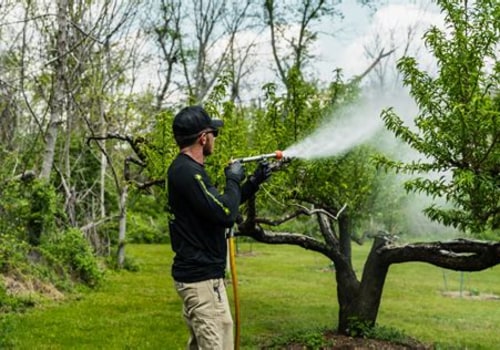
When addressing tree disease treatment, it is crucial to consider the environmental implications of various management practices.The use of chemical treatments, while effective in controlling certain diseases, can pose risks to surrounding ecosystems. Therefore, many regulations are in place to ensure that these treatments do not adversely affect non-target species or the broader environment.One of the primary goals of these regulations is to promote sustainable practices in tree disease management. This includes encouraging the use of eco-friendly treatments that minimize chemical inputs and focus on natural solutions. For instance, integrated pest management (IPM) strategies often emphasize biological control methods, such as introducing beneficial insects that prey on harmful pests, thereby reducing the need for synthetic pesticides.Additionally, many states have established guidelines that dictate when and how certain treatments can be applied.
These guidelines often take into account factors such as:
- Timing: Treatments may be restricted during specific seasons to protect pollinators and other wildlife.
- Location: Certain areas, such as near water bodies or protected habitats, may have stricter regulations to prevent contamination.
- Application methods: Regulations may specify how treatments should be applied to minimize drift and runoff.
Case Studies: Compliance with Tree Disease Regulations
Understanding the complexities of tree disease treatment within the framework of government regulations is crucial for effective management.Several case studies highlight successful compliance and the lessons learned from these experiences. One notable example comes from the California Department of Forestry and Fire Protection, which implemented a comprehensive program to combat Sudden Oak Death. This initiative involved collaboration with local governments and landowners to ensure adherence to state regulations. By conducting regular inspections and providing educational resources, they successfully reduced the spread of the disease while maintaining compliance with environmental laws. Another case study involves a community in Florida that faced an outbreak of Citrus Greening Disease. The local agricultural department enforced strict guidelines on the treatment and removal of infected trees.
Through workshops and outreach programs, they educated farmers on best practices for tree disease treatment, leading to a significant decrease in infection rates. This proactive approach not only complied with state regulations but also fostered community engagement. Lessons learned from these cases emphasize the importance of:
- Collaboration: Engaging stakeholders, including government agencies, local communities, and experts, is vital for effective disease management.
- Education: Providing clear information about regulations and treatment options helps ensure compliance and promotes best practices.
- Monitoring: Regular assessments and reporting can help track progress and adapt strategies as needed.
Frequently Asked Questions about Tree Disease Treatment Regulations
When it comes to tree disease treatment, many homeowners and arborists have questions regarding the regulations and restrictions imposed by government entities. Understanding these regulations is crucial for ensuring compliance and effective management of tree health.What are the common regulations regarding tree disease treatment?
Regulations can vary significantly by state and municipality, but some common themes include:- Pesticide Use: Many states require licenses for the application of pesticides used in treating tree diseases. Homeowners should check local laws to ensure they are compliant.
- Invasive Species Control: Some regulations focus on preventing the spread of invasive pests and diseases.
This may include restrictions on moving infected trees or wood products.
- Reporting Requirements: Certain jurisdictions may require reporting of specific tree diseases to local agricultural or forestry departments, especially if they pose a risk to public health or the environment.
Are there any exemptions for homeowners?
In many cases, homeowners may be exempt from certain regulations, particularly when treating small numbers of trees on their property. However, it is essential to verify local laws, as exemptions can vary widely.How can I find out about local regulations?
The best way to stay informed about tree disease treatment regulations is to consult with local extension services, forestry departments, or professional arborists. They can provide guidance tailored to your specific area and situation.In summary, while there are various government regulations surrounding tree disease treatment, understanding these rules is vital for effective tree management. Always check with local authorities to ensure compliance and promote healthy trees in your community.Conclusion: Navigating Tree Disease Treatment Regulations
In conclusion, understanding the government regulations and restrictions surrounding tree disease treatment is crucial for both homeowners and professionals in the field of arboriculture.These regulations are designed to protect not only the health of individual trees but also the broader ecosystem, including other plant species and wildlife.As we have discussed, various federal and state agencies oversee the management of tree diseases, often requiring specific permits for treatment methods that involve chemical applications or the introduction of biological agents. Compliance with these regulations ensures that treatments are safe and effective, minimizing potential harm to non-target species and the environment.
- Awareness of Local Laws: It is essential for tree care professionals to stay informed about local laws and regulations that may affect their treatment options.
- Permits and Documentation: Many treatments require permits, which necessitate proper documentation and adherence to guidelines set forth by regulatory bodies.
- Environmental Considerations: Treatments must consider the potential impact on surrounding flora and fauna, emphasizing the need for environmentally responsible practices.