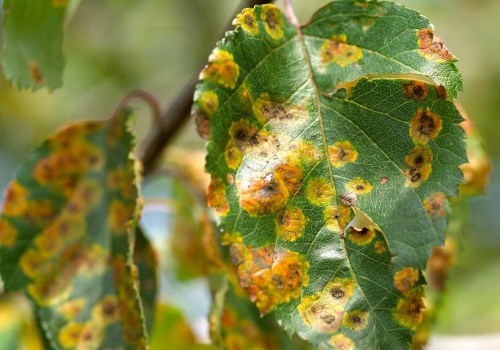
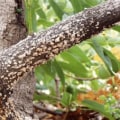
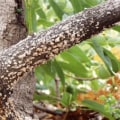
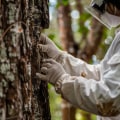
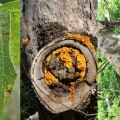
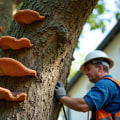
Understanding tree diseases is essential for any homeowner who values their landscape. These diseases can stem from a variety of sources, including fungal infections, bacterial pathogens, and even environmental stressors such as drought or poor soil conditions. Each of these factors can compromise the health of your trees, leading to a cascade of problems that may affect not only the trees themselves but also the overall ecosystem of your yard. Identifying the symptoms of tree diseases early on is crucial for effective tree disease treatment. Common signs include yellowing leaves, wilting branches, and unusual growths such as galls or cankers.
Additionally, you may notice a sudden drop in foliage or an increase in insect activity around the affected trees. Recognizing these symptoms promptly can make a significant difference in managing the outbreak before it spreads to other plants in your yard. To effectively combat tree diseases, it’s important to understand their causes and symptoms thoroughly. This knowledge empowers homeowners to take proactive measures, whether that involves adjusting watering practices, improving soil health, or seeking professional help for more severe cases. By being vigilant and informed, you can protect your trees and maintain a vibrant landscape.
Assessing the Extent of the Outbreak
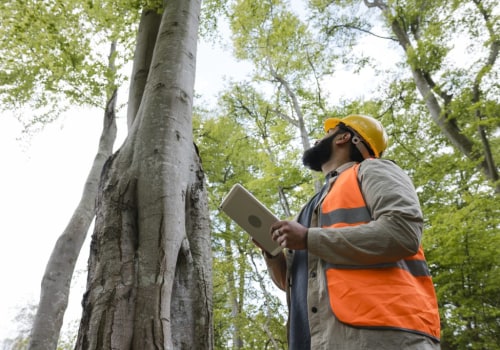
When faced with a tree disease outbreak, the first step is to conduct a thorough yard inspection.This process involves evaluating the health of each tree and identifying any signs of disease. Here are some steps to guide you through the assessment:
- Visual Inspection: Begin by walking through your yard and visually inspecting each tree. Look for symptoms such as discolored leaves, wilting, or unusual growth patterns.
- Check for Pests: Many tree diseases are exacerbated by pest infestations. Examine the bark and leaves for signs of insects or larvae.
- Examine the Soil: Healthy trees require healthy soil.
Check for signs of poor drainage or soil compaction, which can contribute to tree stress and susceptibility to disease.
- Assess Tree Structure: Look for any structural issues such as cracks in the trunk or dead branches. These can indicate underlying health problems.
- Affected Trees: Identify trees that show clear signs of disease. Note their species, age, and specific symptoms.
- At-Risk Trees: Some trees may not show symptoms yet but could be at risk due to proximity to affected trees or environmental stressors.
- Healthy Trees: Mark trees that appear healthy. These will be crucial in maintaining a balanced ecosystem in your yard.
They can provide insights into the best practices for managing both affected and at-risk trees, ensuring your yard remains vibrant and healthy.
Immediate Actions to Take When Tree Disease is Detected
Upon discovering that your yard is affected by a tree disease outbreak, it is crucial to act swiftly to mitigate the damage and protect your other plants. Here are the immediate actions you should take:- Assess the Situation: Begin by inspecting all trees and plants in your yard. Look for signs of disease such as discoloration, wilting, or unusual growths. Identifying the specific type of tree disease will help in determining the appropriate treatment.
- Quarantine Affected Trees: If you find trees that are infected, isolate them from healthy ones.
This can be done by creating a physical barrier or simply ensuring that no tools or equipment used on the infected trees come into contact with healthy plants.
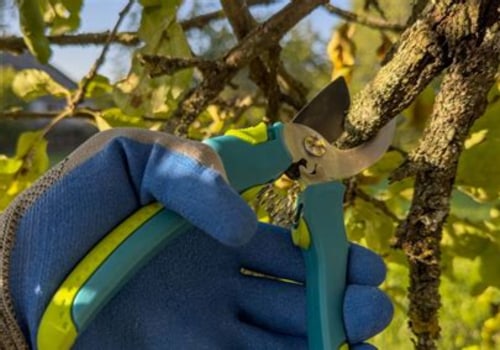
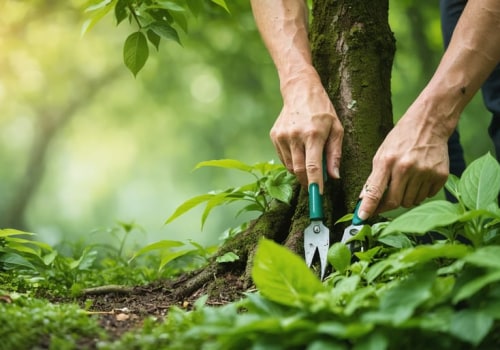
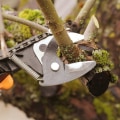
- Remove Infected Material: Carefully prune away any diseased branches or leaves. Make sure to use sterilized tools to prevent spreading the disease further. Dispose of the infected material properly—do not compost it, as this can lead to further outbreaks.
- Apply Initial Treatments: Depending on the type of tree disease, you may need to apply fungicides or insecticides as an immediate response. Always follow the manufacturer's instructions and consider consulting with a local arborist for tailored advice.
- Monitor Environmental Conditions: Keep an eye on factors such as soil moisture and drainage, as these can influence the spread of tree diseases.
Adjust watering practices if necessary to avoid creating a hospitable environment for pathogens.
Tree Disease Treatment Options: Chemical vs. Organic Solutions
When faced with a tree disease outbreak, understanding the available tree disease treatment options is crucial for restoring the health of your yard. The two primary categories of treatments are chemical and organic solutions, each with its own set of advantages and considerations.Chemical Treatments
Chemical treatments often provide quick and effective results in combating tree diseases.These solutions typically include:
- Pesticides: Designed to target specific pathogens, pesticides can be highly effective against fungal infections and insect infestations that contribute to tree diseases.
- Fungicides: These are specialized chemicals that inhibit the growth of fungi, making them essential for treating diseases like powdery mildew or root rot.
- Systemic Treatments: Administered through soil or foliage, systemic treatments are absorbed by the tree and can provide long-lasting protection against various diseases.
Organic Treatments
If you prefer a more environmentally friendly approach, organic treatments can be a viable alternative. These methods often focus on enhancing the tree's natural defenses and include:- Neem Oil: Extracted from the seeds of the neem tree, this natural pesticide is effective against a variety of pests and diseases while being safe for beneficial organisms.
- Baking Soda: A simple solution for fungal infections, a mixture of baking soda and water can help control powdery mildew when applied regularly.
- Companion Planting: Introducing certain plants that repel pests or attract beneficial insects can help create a healthier ecosystem around your trees.
Preventive Measures to Protect Your Yard from Future Outbreaks
To safeguard your yard from future tree disease outbreaks, implementing preventive measures is essential.Regular maintenance and vigilant monitoring can significantly enhance the health of your trees and overall landscape.1.Regular Inspections: Conduct routine inspections of your trees and plants. Look for signs of disease such as discolored leaves, unusual growth patterns, or insect infestations. Early detection is key to effective tree disease treatment.2.Proper Pruning: Prune your trees regularly to remove dead or diseased branches. This not only improves air circulation but also reduces the risk of disease spreading.
Ensure you use clean, sharp tools to prevent introducing pathogens.3.Soil Health: Healthy soil is the foundation of healthy trees. Test your soil periodically to check for nutrient deficiencies and pH levels. Amend the soil as needed with organic matter or fertilizers to promote robust tree growth.4.Watering Practices: Water your trees deeply but infrequently to encourage deep root growth. Avoid overhead watering, which can promote fungal diseases.
Instead, use drip irrigation or soaker hoses to keep foliage dry.5.Mulching: Apply a layer of organic mulch around the base of your trees. This helps retain moisture, suppress weeds, and regulate soil temperature, creating a healthier environment for tree roots.6.Choosing Resistant Varieties: When planting new trees, opt for species that are known for their resistance to common diseases in your area. Consult with local nurseries or extension services for recommendations.7.Pest Management: Implement an integrated pest management (IPM) approach to control pests that can weaken trees and make them more susceptible to diseases. This includes monitoring pest populations and using biological controls when possible. By following these yard maintenance tips, you can create a resilient landscape that minimizes the risk of future tree disease outbreaks and promotes the health of your trees.
When to Call a Professional Arborist
When dealing with a widespread tree disease outbreak in your yard, it can be challenging to determine the best course of action.While some homeowners may attempt to manage the situation independently, there are specific scenarios where hiring a professional arborist is not just beneficial but essential.
- Severe Infestation: If you notice that multiple trees are showing signs of distress, such as wilting leaves, unusual growths, or bark damage, it may indicate a severe infestation. A professional arborist can accurately diagnose the issue and recommend appropriate tree disease treatment.
- Complexity of the Disease: Some tree diseases can be complex and require specialized knowledge for effective management. If you are unsure about the type of disease affecting your trees or how to treat it, consulting an expert can save time and resources.
- Safety Concerns: Trees that are severely affected by disease may pose safety risks, such as falling branches or entire trees. An arborist can assess the structural integrity of your trees and advise on necessary removals or treatments to mitigate hazards.
- Long-term Health of Your Landscape: If you want to ensure the long-term health of your yard and surrounding plants, a professional can provide a comprehensive treatment plan that not only addresses current issues but also prevents future outbreaks.
- Regulatory Compliance: In some areas, there are regulations regarding tree removal and treatment.
A certified arborist will be familiar with local laws and can help you navigate any necessary permits or compliance issues.
Frequently Asked Questions About Tree Disease Treatment
When dealing with tree disease treatment, many homeowners have questions about how to effectively manage and restore their trees. Here are some frequently asked questions that can help guide you through the process.- What are the signs of tree disease? Common symptoms include yellowing leaves, wilting, unusual growths, and premature leaf drop. If you notice any of these signs, it’s essential to investigate further.
- How can I identify the specific tree disease affecting my yard? Identifying the exact disease often requires a professional diagnosis.
However, you can start by researching common diseases in your area or consulting local extension services.
- What are the best treatments for tree diseases? Treatments vary depending on the disease. Options may include fungicides, insecticides, or cultural practices like improving soil health and watering techniques. Always follow label instructions and consider consulting an arborist.
- Can I save a tree that is severely affected by disease? In some cases, yes. Early intervention is key.
If the tree is still alive and has some healthy tissue, there may be hope for recovery with proper care and treatment.
- How can I prevent tree diseases in the future? Preventive measures include regular inspections, proper pruning, maintaining healthy soil, and ensuring adequate watering. Additionally, avoid planting trees too close together to improve air circulation.
Conclusion: Key Takeaways for Managing Tree Diseases in Your Yard
In conclusion, effectively managing tree diseases in your yard requires a proactive approach that emphasizes early detection, appropriate treatment options, and preventive measures. By understanding the signs of tree diseases, you can take swift action to mitigate their impact on your landscape.Early Detection is Crucial
Recognizing the symptoms of tree diseases early can make a significant difference in the outcome. Look for signs such as:- Discoloration of leaves
- Wilting or drooping branches
- Unusual growths or fungi on the bark
Treatment Options
Once a tree disease is diagnosed, various tree disease treatment options are available:- Chemical Treatments: Fungicides and insecticides can be effective in controlling specific pathogens and pests.
- Pruning: Removing infected branches can help prevent the spread of disease to healthy parts of the tree.
- Soil Management: Improving soil health through proper fertilization and drainage can enhance tree resilience.
Preventive Measures
To safeguard your yard against future outbreaks, consider implementing these preventive strategies:- Regularly inspect trees for signs of stress or disease.
- Maintain proper watering and fertilization practices.
- Avoid overcrowding by ensuring adequate spacing between trees.
Remember, the key to successful tree disease treatment lies in vigilance and timely action.