Trees are vital components of our ecosystems, providing oxygen, improving air quality, and offering habitat for countless species. However, like all living organisms, they are susceptible to a variety of tree diseases that can significantly impact their health and longevity. Understanding these diseases is crucial for anyone who values the beauty and functionality of trees in their environment. From fungal infections to bacterial blights, the types of tree diseases are diverse, each presenting unique challenges for treatment and management. Recognizing the symptoms of tree diseases is the first step in addressing these issues.
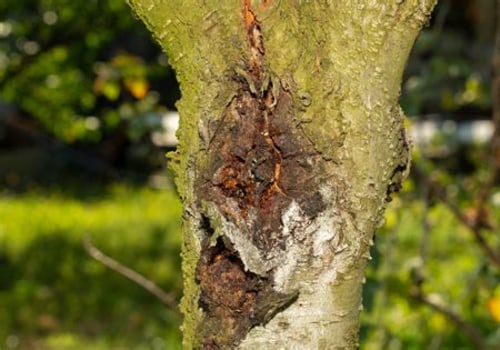
Common signs include wilting leaves, discolored bark, and unusual growth patterns. These symptoms not only indicate that a tree is suffering but also serve as a warning signal for the surrounding ecosystem. When trees are compromised, they can become more vulnerable to pests and environmental stressors, leading to a cascading effect that impacts soil health and biodiversity. As awareness of environmental sustainability grows, there is an increasing interest in exploring alternative methods for tree disease treatment. While chemical solutions have been the go-to for many years, they often come with drawbacks such as potential harm to beneficial organisms and long-term soil degradation.
This article will delve into various non-chemical approaches that can effectively combat tree diseases while promoting a healthier ecosystem.
The Limitations of Chemical Treatments
While chemical treatments for tree diseases can be effective in the short term, they come with a range of limitations and potential drawbacks that warrant careful consideration. One of the primary concerns is the environmental impact of these chemicals. Many chemical treatments can leach into the soil and waterways, affecting not only the targeted trees but also surrounding flora and fauna. This can lead to a decline in biodiversity and disrupt local ecosystems.Additionally, the use of chemical treatments often leads to the development of resistant strains of pathogens.Over time, trees may become less responsive to these chemicals, necessitating higher doses or more potent formulations, which further exacerbates environmental concerns. This cycle can create a dependency on chemical solutions, diverting attention from more sustainable practices.Another significant drawback is the potential harm to beneficial insects and wildlife. Many chemical treatments are non-selective, meaning they can kill not only harmful pests but also essential pollinators and natural predators that help maintain ecological balance. This unintended consequence can lead to greater pest problems in the long run, as natural controls are diminished.Moreover, there are health risks associated with chemical treatments for both humans and animals.
Exposure to these substances can result in various health issues, raising concerns for those who live near treated areas or handle these chemicals directly.Given these limitations, it is crucial for tree care professionals and homeowners alike to explore alternative methods for treating tree diseases. By understanding the drawbacks of chemical treatments, we can better appreciate the need for more sustainable and environmentally friendly approaches.
Cultural Practices for Tree Health
Maintaining the health of trees is essential for preventing diseases and promoting overall vitality.Cultural practices
play a crucial role in tree care, focusing on techniques that enhance the natural resilience of trees. Here are some effective methods:- Proper Watering: Trees require adequate moisture to thrive.
Overwatering can lead to root rot, while underwatering can stress the tree, making it more susceptible to diseases. Implementing a deep watering schedule, especially during dry spells, ensures that roots receive sufficient hydration without waterlogging.
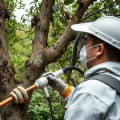
- Pruning: Regular pruning helps remove dead or diseased branches, improving air circulation and sunlight penetration. This practice not only enhances the tree's appearance but also reduces the risk of fungal infections and pest infestations. Always use clean, sharp tools to prevent introducing pathogens.
- Soil Management: Healthy soil is the foundation of strong trees.
Conducting soil tests can help determine nutrient deficiencies and pH levels. Amending the soil with organic matter, such as compost, can improve its structure and fertility, promoting better root development and disease resistance.
- Mulching: Applying a layer of organic mulch around the base of trees helps retain moisture, suppress weeds, and regulate soil temperature. Mulch also decomposes over time, enriching the soil with nutrients. However, it’s important to keep mulch away from the trunk to prevent rot.
- Monitoring for Pests: Regularly inspecting trees for signs of pests or disease allows for early intervention.
Identifying issues promptly can prevent them from escalating into more significant problems.
Biological Control Methods
Biological control methods offer a sustainable approach to managing tree diseases by leveraging the power of beneficial organisms. These natural allies can help restore balance in the ecosystem, reducing the need for chemical interventions.One of the most effective strategies involves introducing predatory insects that target harmful pests. For instance, ladybugs and lacewings are known to feed on aphids, which can be detrimental to tree health.By promoting these beneficial insects, tree owners can create a natural pest control system that minimizes damage.Another promising method is the use of microbial inoculants. These are beneficial microorganisms, such as bacteria and fungi, that can enhance tree resilience against diseases. For example, Bacillus thuringiensis is a bacterium that can effectively control caterpillar pests without harming other beneficial insects. Similarly, mycorrhizal fungi form symbiotic relationships with tree roots, improving nutrient uptake and enhancing overall tree vigor.Additionally, nematodes, which are microscopic roundworms, can be employed to combat soil-borne pests and diseases.
Certain species of nematodes target root-feeding insects and pathogens, providing an effective biological solution to protect tree roots.To implement these biological control methods successfully, it is essential to:
- Identify the specific tree disease or pest affecting your trees.
- Select the appropriate beneficial organism that targets the identified issue.
- Monitor the ecosystem to ensure that the introduced organisms thrive and effectively manage the pest population.
Organic Treatments and Remedies
When it comes to tree disease treatment, many homeowners and gardeners are seeking alternatives to chemical solutions. Organic treatments and homemade remedies can be effective in managing tree health while being environmentally friendly. Here are some popular methods:- Neem Oil: Extracted from the seeds of the neem tree, neem oil is a natural pesticide that can help control various pests and diseases.
It works by disrupting the life cycle of insects and has antifungal properties that can combat tree diseases.
- Garlic Spray: Garlic is known for its natural antifungal and antibacterial properties. A homemade garlic spray can be made by blending garlic cloves with water, straining the mixture, and spraying it on affected trees to deter pests and diseases.
- Copper Soap: This organic fungicide is effective against fungal infections. It can be used as a preventative measure or to treat existing issues. Be sure to follow application guidelines to avoid harming beneficial organisms.
- Compost Tea: Rich in nutrients, compost tea can boost tree health and strengthen their immune systems.
Brew compost with water, let it steep, and then apply it to the soil around your trees.
- Baking Soda Solution: A mixture of baking soda and water can help control powdery mildew and other fungal diseases. This simple solution alters the pH on the leaf surface, making it less hospitable for pathogens.
Integrating Integrated Pest Management (IPM)
Integrated Pest Management (IPM) is a holistic approach to managing tree diseases that emphasizes the use of sustainable pest control methods rather than relying solely on chemical treatments.This strategy combines various techniques to monitor and manage tree health effectively, ensuring that interventions are both environmentally friendly and economically viable.At the core of IPM is the understanding of the ecosystem in which trees exist. By recognizing the interactions between pests, beneficial organisms, and the environment, tree care professionals can develop tailored management plans. Here are some key components of IPM strategies:
- Monitoring and Identification: Regularly inspect trees for signs of disease or pest infestations. Accurate identification of the problem is crucial for effective management.
- Threshold Levels: Determine acceptable levels of pest presence.
Not all pests require immediate action; understanding when intervention is necessary helps minimize unnecessary treatments.
- Biological Control: Utilize natural predators or parasites to control pest populations. For example, introducing ladybugs can help manage aphid infestations.
- Cultural Practices: Implement practices that promote tree health, such as proper watering, mulching, and pruning. Healthy trees are more resilient to diseases and pests.
- Mechanical Control: Use physical methods to remove pests or infected plant material. This can include hand-picking pests or using traps.
- Chemical Control (as a last resort): If other methods fail, select targeted chemical treatments that minimize harm to beneficial organisms and the environment.
This proactive approach fosters a healthier ecosystem, ultimately leading to more resilient trees and landscapes. Adopting IPM practices can significantly reduce reliance on chemical treatments, making it a preferred choice for sustainable tree disease treatment.
Case Studies: Successful Alternative Treatments
Exploring alternative methods for treating tree diseases can yield inspiring success stories. Here are a few notable case studies that highlight effective treatments without relying on chemicals.Case Study 1: The Power of Compost Tea
In a community park in Oregon, a severe outbreak of root rot threatened the health of several mature oak trees. Instead of using chemical fungicides, the park management opted for a natural approach by applying compost tea.This organic solution, rich in beneficial microorganisms, was sprayed on the affected trees and their root zones. Within a few months, the trees showed remarkable recovery, with new growth and improved vigor.
Case Study 2: Neem Oil for Aphid Infestation
A homeowner in California faced an infestation of aphids on her beloved maple tree, which was causing leaf curl and discoloration. Rather than resorting to synthetic pesticides, she chose to use neem oil, a natural insecticide derived from the seeds of the neem tree. After several applications over two weeks, the aphid population significantly decreased, and the tree regained its health, showcasing the effectiveness of this alternative treatment.Case Study 3: Mycorrhizal Fungi for Soil Health
A local arboretum in New York implemented a program to combat disease susceptibility in their trees by enhancing soil health through the introduction of mycorrhizal fungi.By inoculating the soil around various species with these beneficial fungi, they improved nutrient uptake and strengthened the trees' immune systems. Over time, the trees exhibited increased resilience against common diseases, demonstrating how fostering soil biology can lead to healthier trees.These case studies illustrate that there are numerous successful alternative treatments for tree diseases that not only protect the environment but also promote long-term tree health. By sharing these success stories, we hope to inspire more tree care professionals and homeowners to explore non-chemical options for managing tree diseases.
Frequently Asked Questions about Tree Disease Treatment
When it comes to tree disease treatment, many homeowners and arborists seek alternatives to chemical solutions. Here are some frequently asked questions that can help clarify these methods:What are some natural remedies for tree diseases?
- Neem oil: Extracted from the seeds of the neem tree, this oil acts as a natural pesticide and fungicide, effective against various pests and diseases.
- Garlic spray: A homemade solution using garlic can deter pests and boost the tree's immune system.
- Baking soda: This common household item can be mixed with water and applied to combat fungal infections.
How can proper tree care prevent diseases?
Maintaining overall tree health is crucial in preventing diseases.Here are some practices:
- Regular pruning: Removing dead or diseased branches helps improve air circulation and reduces the risk of infection.
- Mulching: Applying organic mulch around the base of the tree retains moisture and suppresses weeds, which can harbor pests.
- Watering: Ensuring trees receive adequate water, especially during dry spells, strengthens their resilience against diseases.
Are there any biological treatments available?
Yes, biological treatments utilize beneficial organisms to combat tree diseases. Some options include:- Bacillus thuringiensis (Bt): This bacterium targets specific pests without harming beneficial insects.
- Mycorrhizal fungi: These fungi enhance nutrient uptake and improve tree health, making them less susceptible to diseases.
Conclusion: Embracing Alternative Methods for Tree Health
In conclusion, the journey towards maintaining tree health and combating tree diseases can be significantly enhanced by embracing alternative methods. As we have explored, these approaches not only offer effective solutions but also promote a more sustainable and environmentally friendly way of caring for our trees.By integrating practices such as biological control, which utilizes natural predators to manage pests, and cultural practices that focus on improving soil health and tree resilience, we can create a robust defense against various tree ailments. Additionally, the use of organic treatments, like neem oil or compost tea, provides a gentle yet effective means of treating infections without the harsh side effects associated with chemical treatments.Moreover, fostering a healthy ecosystem around our trees through companion planting and maintaining proper watering and pruning techniques can significantly reduce the incidence of disease.These methods not only enhance the vitality of the trees but also contribute to the overall health of the environment.As we move forward, it is essential to remain open-minded about these alternative treatments. By prioritizing natural solutions, we not only protect our trees but also support biodiversity and promote a healthier planet. We encourage you to explore these options and consider how they can be integrated into your own tree care practices.Ultimately, the health of our trees is intertwined with the health of our ecosystems. By choosing alternative methods for tree disease treatment, we take a significant step towards ensuring that our trees thrive for generations to come.