Understanding tree diseases is essential for any gardener or tree enthusiast. Trees, much like humans, can fall victim to a variety of ailments that can hinder their growth and vitality. These diseases can be caused by a range of factors, including fungi, bacteria, viruses, and environmental stressors. Recognizing the different types of tree diseases is the first step in ensuring the health of your trees and implementing effective tree disease treatment.Common tree diseases include root rot, which often manifests as wilting leaves and stunted growth, and leaf spot, characterized by dark spots on foliage.
Other notable conditions include canker diseases, which can lead to dieback in branches, and powdery mildew, which creates a white, powdery coating on leaves. Each of these diseases presents unique symptoms that can help in their identification. For instance, yellowing leaves may indicate nutrient deficiencies or root issues, while sudden leaf drop could signal a more severe problem. By familiarizing yourself with the symptoms associated with various tree diseases, you can take proactive measures to protect your trees. Early detection is key; the sooner you identify a problem, the more options you have for effective treatment.
Whether it’s adjusting watering practices or applying natural remedies, understanding the nuances of tree diseases will empower you to maintain a healthy landscape.
Common Tree Diseases and Their Causes
Understanding common tree diseases is crucial for any tree owner. These diseases can significantly affect the health and longevity of trees, and recognizing their symptoms early can lead to effective tree disease treatment.Here are some prevalent tree diseases along with their causes and identification tips:- Powdery Mildew: This fungal disease appears as a white, powdery substance on leaves. It thrives in warm, dry conditions and can weaken trees by reducing photosynthesis.
- Root Rot: Caused by various fungi, root rot leads to the decay of roots, often due to overwatering or poor drainage. Symptoms include yellowing leaves and stunted growth.
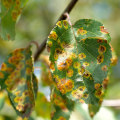
- Leaf Spot: This disease manifests as dark spots on leaves, often caused by fungal or bacterial infections.
It can lead to premature leaf drop if not addressed.
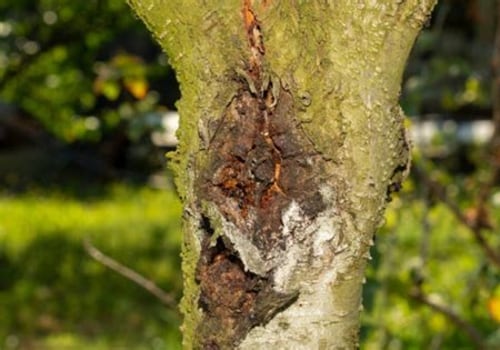
- Canker Diseases: These are localized areas of dead tissue on stems or branches, often caused by fungi or bacteria. Look for sunken areas or oozing sap as signs of cankers.
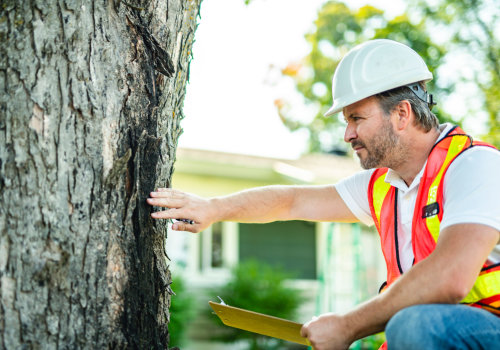
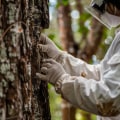
Consulting with an arborist or using diagnostic tools can aid in accurate tree disease identification, ensuring that you implement the right treatment strategies.
Natural Remedies for Tree Diseases
When it comes to tree disease treatment, many homeowners are seeking natural remedies for tree diseases that are both effective and environmentally friendly. Here are some practical solutions that can help restore the health of your trees.- Neem Oil: Extracted from the seeds of the neem tree, neem oil is a powerful organic treatment for various tree diseases. It acts as a natural pesticide and fungicide, helping to control pests and fungal infections. Mix neem oil with water and a few drops of dish soap, then spray it on affected areas.
- Baking Soda: A simple solution for combating fungal diseases like powdery mildew is a mixture of baking soda and water.
Combine one tablespoon of baking soda with a gallon of water and spray it on the leaves. This remedy helps to create an alkaline environment that inhibits fungal growth.
- Copper Fungicide: For more severe fungal infections, consider using a copper-based fungicide. While it is a natural mineral, it should be used sparingly to avoid copper buildup in the soil. Follow the instructions carefully for application.
- Garlic Spray: Garlic has natural antifungal and antibacterial properties.
To make a garlic spray, blend several cloves of garlic with water, strain the mixture, and spray it on your trees. This home remedy can deter pests and help fight off infections.
- Compost Tea: Enriching your soil with compost tea can boost tree health by providing essential nutrients and beneficial microorganisms. Steep compost in water for several days, then dilute it and apply it around the base of your trees.
By integrating these organic treatments for trees, you can promote resilience against diseases while fostering a healthier ecosystem in your garden.
Preventive Measures for Tree Health
Maintaining the health of your trees is essential for preventing tree diseases and ensuring their longevity. Implementing effective preventive measures can significantly reduce the risk of infections and infestations. Here are some key strategies to consider:- Choose the Right Species: Selecting tree species that are well-suited to your local climate and soil conditions can enhance their resilience against diseases. Research native species that thrive in your area.
- Proper Planting Techniques: Ensure that trees are planted at the correct depth and distance from other plants.
Overcrowding can lead to poor air circulation, increasing the likelihood of fungal infections.
- Regular Pruning: Pruning helps maintain tree structure and health by removing dead or diseased branches. This practice also improves air circulation and sunlight penetration, which are vital for preventing disease.
- Watering Wisely: Deep watering encourages strong root systems, while overwatering can lead to root rot. Monitor soil moisture levels and adjust your watering schedule accordingly.
- Mulching: Applying a layer of organic mulch around the base of trees helps retain moisture, suppress weeds, and regulate soil temperature. It also provides nutrients as it decomposes.
- Pest Management: Regularly inspect trees for signs of pests.
Early detection allows for timely intervention, whether through natural remedies or targeted treatments.
- Soil Health: Healthy soil is crucial for tree vitality. Conduct soil tests to determine nutrient levels and amend as necessary with organic fertilizers or compost.
When to Seek Professional Help
While many tree diseases can be managed with natural remedies and DIY treatments, there are specific signs that indicate when it is time to seek professional help. Recognizing these signs early can save your tree and potentially prevent further damage to your landscape.Signs of Severe Tree Disease
- Widespread Leaf Discoloration: If you notice that a significant portion of the leaves on your tree are turning yellow, brown, or dropping prematurely, this could indicate a serious issue.
- Visible Fungal Growth: The presence of mushrooms or other fungal growth at the base of the tree or on its trunk is a clear sign of decay and may require immediate attention.
- Cracks or Cankers: Deep cracks in the bark or cankers (sunken areas) can signal that the tree is under severe stress or suffering from disease.
- Wilting or Drooping Branches: If branches are wilting, drooping, or showing signs of dieback, it may indicate that the tree is not receiving adequate nutrients or water due to disease.
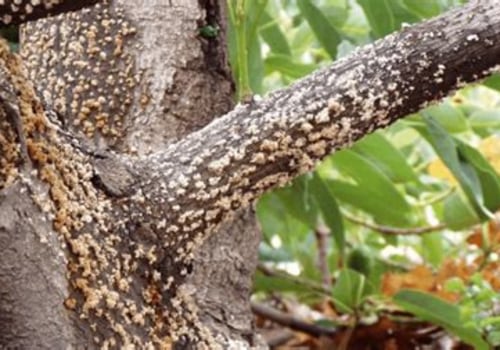
- Insect Infestation: An increase in insect activity, especially if accompanied by other symptoms, can suggest that the tree is weakened and susceptible to further damage.
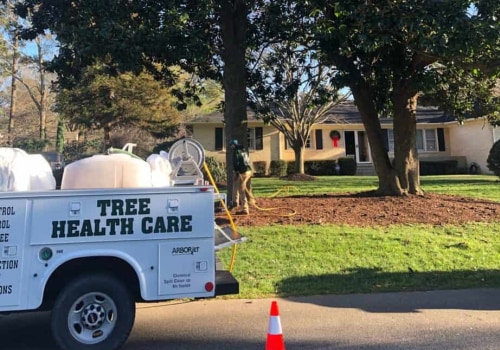
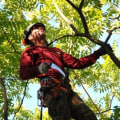
Professional tree care experts have the training and experience necessary to diagnose complex issues that may not be apparent to the untrained eye. They can provide targeted treatments that go beyond basic remedies and ensure the health of your trees.In general, if you find yourself unsure about the severity of a tree's condition or if DIY treatments are not yielding results, do not hesitate to call an arborist. Their expertise can make a significant difference in the outcome for your trees and overall landscape health.
FAQs About Tree Disease Treatment
When it comes to tree disease treatment, many homeowners and gardeners have questions about the best approaches to take. Here are some frequently asked questions that can help clarify common concerns:What are the signs of tree diseases?
Identifying tree diseases early is crucial for effective treatment.Common signs include:
- Discoloration of leaves or bark
- Wilting or drooping branches
- Unusual growths, such as galls or cankers
- Fungal growth on the trunk or soil
- Leaf drop or premature shedding
Are there natural remedies for tree diseases?
Yes, there are several natural remedies that can be effective in treating tree diseases. Some popular options include:- Neem oil: This natural pesticide can help control pests and fungal infections.
- Baking soda: A solution of baking soda and water can combat powdery mildew.
- Copper fungicides: These are derived from natural sources and can be used to treat various fungal infections.
- Companion planting: Certain plants can help deter pests and improve tree health.
How do natural treatments compare to chemical treatments?
The choice between natural and chemical treatments often depends on the severity of the disease and personal preferences. Here are some considerations:- Effectiveness: Chemical treatments may provide quicker results, while natural remedies often require consistent application over time.
- Environmental impact: Natural treatments tend to be less harmful to beneficial insects and the surrounding ecosystem.
- Cost: Natural remedies can be more cost-effective, as many ingredients are readily available at home.
Conclusion: Nurturing Healthy Trees Naturally
In conclusion, addressing tree disease treatment through natural remedies not only promotes the health of individual trees but also contributes to the overall ecosystem. By utilizing organic solutions and preventive measures, tree owners can effectively combat various diseases while minimizing the impact on the environment. Throughout this article, we explored several natural treatments, including:- Neem oil for its antifungal and insecticidal properties.
- Garlic spray as a natural deterrent against pests.
- Compost tea to enhance soil health and boost tree immunity.
- Proper pruning techniques to improve air circulation and reduce disease spread.
Regular monitoring of tree health, combined with a proactive approach to soil management and pest control, can significantly reduce the likelihood of disease outbreaks. Moreover, fostering a diverse ecosystem around your trees can enhance their resilience. Planting companion plants that attract beneficial insects or provide shade can create a more balanced environment, further supporting tree health. Ultimately, nurturing healthy trees naturally is an ongoing commitment that requires attention and care. By embracing these natural remedies and practices, you can ensure that your trees thrive for generations to come, contributing beauty and vitality to your landscape.