Tree diseases are a significant concern for homeowners and landowners alike, as they can severely impact the health of local ecosystems. These diseases can arise from various factors, including environmental stress, pests, and pathogens. Understanding the common tree diseases in your area is crucial for maintaining the vitality of your trees and ensuring a thriving landscape. In many regions, trees face threats from fungal infections, bacterial blights, and viral diseases that can lead to wilting, discoloration, and even death. The prevalence of these diseases can vary based on local climate conditions, soil quality, and the types of trees that are native to the area.
For instance, certain species may be more susceptible to specific pathogens, making it essential to identify which trees in your yard are at risk. Effective tree disease treatment begins with early detection and proper diagnosis. Homeowners should regularly inspect their trees for signs of distress, such as unusual leaf drop or bark lesions. By understanding the symptoms associated with common tree diseases, you can take proactive measures to protect your trees. Whether through cultural practices, chemical treatments, or biological controls, addressing tree diseases promptly can help preserve not only the beauty of your landscape but also the overall health of your local environment.
Identifying Common Tree Diseases
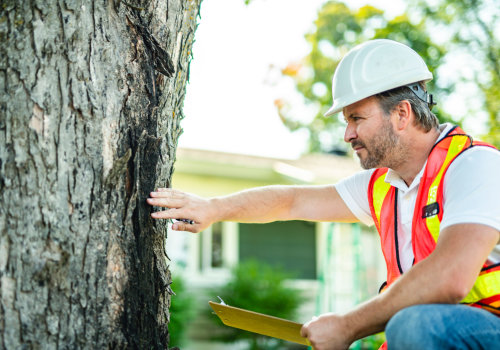
Identifying tree diseases early is crucial for effective tree disease treatment.By recognizing the symptoms and signs, you can take action before the problem escalates. Here are some common indicators to look out for:
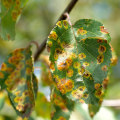
- Discoloration of Leaves: Yellowing, browning, or spotting on leaves can indicate various diseases. For instance, powdery mildew often causes a white powdery coating on leaves, while leaf spot diseases may present as dark spots.
- Wilting or Dropping Leaves: If your tree's leaves are wilting or falling prematurely, it could be a sign of stress due to root rot or other issues. Check the soil moisture and drainage.
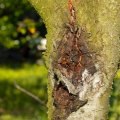
- Bark Damage: Cracks, peeling, or oozing sap from the bark can signal serious problems like bacterial canker or fungal infections.
Inspect the bark regularly for any unusual changes.
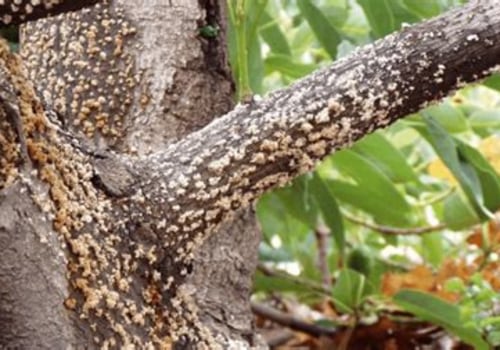
- Unusual Growths: Galls, cankers, or fungal fruiting bodies on branches or trunks are often signs of disease. For example, oak wilt can cause sudden leaf drop and unusual growths on oak trees.
- Pest Infestations: Sometimes, pests like aphids or borers can exacerbate tree diseases. Look for signs of insect activity such as holes in the bark or sticky residue on leaves.
Early intervention can save your trees and maintain the health of your landscape.
Fungal Tree Diseases
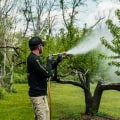
Fungal tree diseases are among the most prevalent issues affecting trees in various regions. These diseases can lead to significant health problems, including leaf drop, dieback, and even tree death if not addressed promptly. Understanding the common fungal diseases and their treatment for fungal infections in trees is crucial for maintaining tree health.- Powdery Mildew: This disease appears as a white, powdery substance on leaves and stems. It thrives in warm, dry conditions and can weaken trees by reducing photosynthesis.
Treatment options include applying fungicides specifically designed for powdery mildew and ensuring proper air circulation around the tree.
- Root Rot: Caused by various fungi, root rot leads to wilting, yellowing leaves, and stunted growth. It often occurs in poorly drained soils. To treat root rot, improve drainage around the tree and consider using fungicides that target root pathogens.
- Anthracnose: This fungal disease affects many tree species, causing dark, sunken lesions on leaves and stems. It is particularly common in cool, wet weather.
Treatment involves removing infected leaves and applying fungicides during the early stages of infection.
- Leaf Spot: Leaf spot diseases manifest as dark spots on leaves, which can lead to premature leaf drop. Regularly inspect trees for symptoms and remove affected foliage. Fungicides can also be effective if applied early.
Bacterial Tree Diseases
Bacterial tree diseases can pose significant threats to the health of your trees, often leading to severe damage or even death if not addressed promptly.These diseases are caused by various bacteria that infect trees through wounds or natural openings, making it crucial for tree owners to recognize the signs early.Some common bacterial diseases include:
- Bacterial Canker: This disease is characterized by sunken, dark lesions on the bark, which can ooze a sticky substance. It often affects young trees and can lead to dieback.
- Bacterial Leaf Scorch: Symptoms include yellowing leaves with brown edges, which can result in premature leaf drop. This disease is particularly harmful to shade trees.
- Fire Blight: Common in apple and pear trees, fire blight causes blossoms and shoots to wilt and turn black, resembling a fire-scorched appearance.
- Pruning: Remove infected branches and twigs to prevent the spread of bacteria.
Ensure you sterilize your tools between cuts to avoid cross-contamination.
- Cultural Practices: Maintain proper tree care by ensuring adequate watering, mulching, and fertilization. Healthy trees are more resistant to infections.
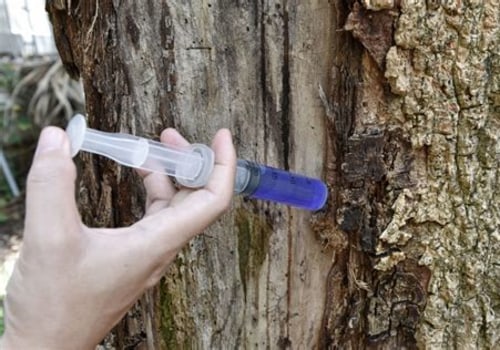
- Pesticides: In some cases, applying specific bactericides may help control bacterial infections. Always consult with a local arborist or extension service for recommendations tailored to your area.
Viral Tree Diseases
Viral tree diseases, while less common than fungal or bacterial infections, can still pose significant threats to the health of trees.These diseases are caused by various viruses that can affect a wide range of tree species, leading to symptoms that may not always be immediately recognizable.
Common Viral Diseases
- Cherry Leaf Roll Virus: This virus primarily affects cherry trees, causing leaves to curl and roll. Infected trees may also exhibit stunted growth and reduced fruit yield.
- Apple Mosaic Virus: Common in apple trees, this virus leads to mottled leaves and can significantly impact fruit production. Symptoms often include yellowing and distortion of leaves.
- Peach Yellow Leaf Curl Virus: This virus affects peach trees, resulting in yellowing and curling of leaves, which can lead to premature leaf drop and reduced vigor.
Treatment for Viral Infections in Trees
Treating viral infections in trees can be challenging, as there are no specific antiviral treatments available. However, there are several management strategies that can help mitigate the impact of these diseases:
- Prevention: The best approach is to prevent infection through proper care.
This includes selecting resistant tree varieties, maintaining healthy soil conditions, and ensuring adequate watering and nutrition.
- Pruning: Regularly prune infected branches to reduce the spread of the virus. Make sure to sterilize pruning tools between cuts to avoid cross-contamination.
- Monitoring: Keep a close eye on your trees for any signs of viral infection. Early detection is crucial for managing the disease effectively.
- Removal: In severe cases, it may be necessary to remove and destroy infected trees to protect surrounding healthy plants.
Environmental Factors Contributing to Tree Diseases
Understanding the environmental factors that contribute to tree diseases is crucial for effective tree disease treatment.Various conditions can create an environment conducive to the spread of pathogens and pests, ultimately affecting tree health. One significant factor is soil quality. Poorly drained or compacted soil can lead to root rot and other diseases. Trees require well-aerated soil rich in nutrients to thrive. Regular soil testing can help identify deficiencies and inform necessary amendments.
Weather conditions
also play a vital role.For instance, excessive rainfall can lead to fungal infections, while prolonged drought can weaken trees, making them more susceptible to pests and diseases. Understanding local climate patterns can help in planning appropriate care and preventive measures. Another critical aspect is temperature fluctuations. Sudden changes in temperature can stress trees, making them vulnerable to diseases. For example, late frosts can damage new growth, providing entry points for pathogens.
- Humidity: High humidity levels can promote fungal growth, while low humidity may lead to desiccation.
- Sunlight: Insufficient sunlight can weaken trees, making them more prone to disease.
- Air circulation: Poor air movement around trees can create a humid microclimate that fosters disease development.
Implementing practices such as proper watering techniques, mulching, and selecting disease-resistant tree varieties can significantly enhance tree resilience. Additionally, maintaining good tree health through regular pruning and inspections will help identify potential issues before they escalate into serious problems. By understanding how the environment affects tree health, homeowners and arborists alike can take proactive steps in the prevention of tree diseases, ensuring that trees remain healthy and vibrant for years to come.
Preventative Measures for Tree Health
Maintaining the health of your trees is essential for preventing tree diseases and ensuring a vibrant landscape. Here are some effective tree care tips to help you keep your trees healthy and resilient against common ailments.- Regular Inspections: Conduct routine checks on your trees for any signs of disease, such as discolored leaves, unusual growths, or bark damage. Early detection is crucial for effective tree disease treatment.
- Proper Watering: Ensure your trees receive adequate water, especially during dry spells.
However, avoid overwatering, as this can lead to root rot and other moisture-related diseases.
- Mulching: Apply a layer of organic mulch around the base of your trees. This helps retain soil moisture, suppress weeds, and regulate soil temperature, all of which contribute to tree health.
- Pruning: Regularly prune dead or diseased branches to improve air circulation and reduce the risk of fungal infections. Make sure to use clean, sharp tools to prevent further injury to the tree.
- Pest Management: Monitor for pests that can weaken trees and make them more susceptible to diseases. Use integrated pest management (IPM) strategies to control infestations without harming beneficial insects.
- Soil Health: Test your soil periodically to ensure it has the right pH and nutrient levels.
Healthy soil promotes strong root systems that can better withstand stress and disease.
When to Seek Professional Help for Tree Diseases
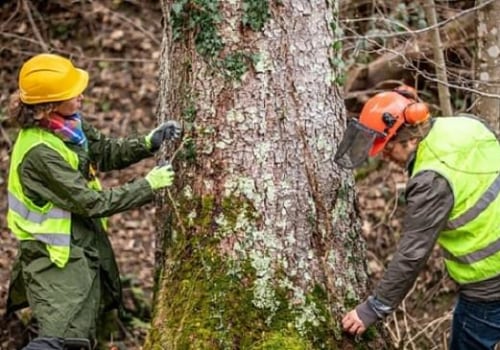
Recognizing tree diseases early can make a significant difference in the health of your trees. However, there are times when the situation may be beyond your ability to manage, and seeking professional help for tree disease becomes essential. Here are some indicators that it’s time to call an arborist:- Severe Symptoms: If you notice drastic changes in your tree's appearance, such as extensive leaf drop, significant discoloration, or large areas of dead bark, these could be signs of severe tree disease.
- Pest Infestation: The presence of pests like borers or aphids can exacerbate tree diseases.
If you see a high number of pests and the tree shows signs of distress, it’s time to consult a professional.
- Structural Issues: Trees that exhibit cracks in the trunk, leaning significantly, or have large branches that are dead or dying may require expert evaluation to prevent potential hazards.
- Spread of Disease: If you have multiple trees showing symptoms of disease, it’s crucial to get a professional opinion. An arborist can help determine if the disease is contagious and how to manage it effectively.
- Unresponsive to Treatment: If you’ve attempted home remedies or treatments without success, don’t hesitate to reach out for professional assistance. An arborist can provide targeted treatments that are more effective.
An arborist not only diagnoses and treats tree diseases but also offers advice on preventive measures to keep your trees healthy in the long run.Ultimately, knowing when to call an arborist can save your trees and enhance the beauty and safety of your landscape. Don’t wait until it’s too late; proactive care is key to maintaining healthy trees.
FAQs About Tree Diseases and Treatments
When it comes to tree disease treatment, many homeowners have questions about how to identify and manage common tree diseases. Here are some frequently asked questions that can help you better understand tree health and the treatments available.What are the signs of tree diseases?
- Discoloration of leaves: Yellowing or browning leaves can indicate stress or disease.
- Wilting: If leaves or branches appear droopy, it may be a sign of root problems or disease.
- Unusual growths: Galls, cankers, or fungal growths on the bark can signal infection.
- Leaf drop: Premature leaf drop, especially in the growing season, is often a red flag.
How can I treat common tree diseases?
Treatment varies depending on the specific disease affecting your tree. Here are some common treatments for prevalent tree diseases:- Fungal infections: Use fungicides as directed, and ensure proper air circulation around the tree.
- Bacterial infections: Prune affected areas and apply appropriate bactericides if necessary.
- Pest infestations: Insecticides may be required to control pests that weaken trees and make them susceptible to disease.
When should I consult a professional?
If you notice severe symptoms or if your tree is declining rapidly, it’s best to consult an arborist.They can provide a thorough diagnosis and recommend the most effective tree disease treatment.Understanding these common questions about tree diseases can empower you to take proactive steps in maintaining your trees' health. Regular monitoring and timely intervention are key to preventing serious issues.
Conclusion: Key Takeaways on Tree Disease Treatment
In conclusion, understanding tree diseases prevalent in your area is crucial for maintaining the health and vitality of your trees. By recognizing the symptoms and knowing the appropriate tree disease treatment options, you can take proactive steps to protect your landscape. Here are some key takeaways regarding tree disease treatment:- Early Detection: Regularly inspect your trees for signs of disease, such as discoloration, wilting leaves, or unusual growths. Early intervention can significantly improve treatment outcomes.
- Know Your Trees: Familiarize yourself with the specific types of trees in your area and their susceptibility to certain diseases.
This knowledge will help you anticipate potential issues.
- Consult Professionals: When in doubt, seek advice from certified arborists or local extension services. They can provide tailored recommendations based on your specific situation.
- Integrated Pest Management (IPM): Consider adopting an IPM approach that combines cultural, biological, and chemical methods for effective tree disease management.
- Regular Maintenance: Ensure your trees receive proper care through adequate watering, mulching, and pruning. Healthy trees are less susceptible to diseases.