Understanding tree diseases is essential for any homeowner or tree enthusiast. Trees, like all living organisms, can fall victim to a variety of ailments that can compromise their health and longevity. Recognizing the signs of tree disease early on can make a significant difference in treatment outcomes. Common types of tree diseases include fungal infections, bacterial infections, and viral diseases, each presenting unique challenges and symptoms. Some of the most prevalent common tree diseases include powdery mildew, which manifests as a white powdery substance on leaves, and root rot, often indicated by yellowing leaves and stunted growth.
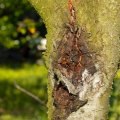
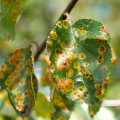
Other diseases, such as Dutch elm disease and oak wilt, can lead to rapid decline and even death of affected trees. Being aware of these conditions is crucial for timely intervention. Symptoms of tree disease can vary widely but often include discolored leaves, unusual growth patterns, and premature leaf drop. Additionally, physical signs such as cankers, oozing sap, or fungal fruiting bodies can provide vital clues about the underlying issue. By familiarizing yourself with these symptoms, you empower yourself to take action before a minor problem escalates into a major threat to your trees.
The Importance of Professional Treatment
When it comes to tree disease treatment, enlisting the help of a professional specialist is crucial for several reasons.First and foremost, tree diseases can be complex and multifaceted, often requiring a deep understanding of plant pathology and the specific conditions affecting your trees. A trained specialist possesses the knowledge and experience necessary to accurately diagnose the issue, which is the first step in effective treatment.
Why Hire a Tree Disease Specialist?
- Accurate Diagnosis: Professionals use advanced diagnostic tools and techniques to identify the specific disease affecting your tree, ensuring that the treatment plan is tailored to the exact problem.
- Effective Treatment Plans: A specialist can recommend appropriate treatments that are not only effective but also safe for your tree and the surrounding environment.
- Preventive Measures: Beyond treatment, experts can provide guidance on preventive measures to protect your trees from future diseases.
Benefits of Professional Treatment
- Safety: DIY methods can sometimes exacerbate the problem or harm your tree further. Professionals are trained to handle chemicals and treatments safely.
- Time Efficiency: Professionals can often resolve issues more quickly than an untrained individual, saving you time and potential loss of your trees.
- Long-term Health: By addressing tree diseases properly, specialists help ensure the long-term health and vitality of your trees, which can enhance your landscape's beauty and value.
How to Identify a Reputable Tree Disease Treatment Specialist
Finding a reputable tree disease treatment specialist is crucial for ensuring the health of your trees.Here are some actionable tips to help you identify qualified professionals in your area:
- Check Credentials: Look for specialists who are certified by recognized organizations such as the International Society of Arboriculture (ISA) or the Tree Care Industry Association (TCIA). These certifications indicate that the specialist has undergone rigorous training and adheres to industry standards.
- Read Reviews: Online reviews can provide valuable insights into a specialist's reputation. Websites like Yelp, Google Reviews, and Angie's List can help you gauge customer satisfaction. Pay attention to both positive and negative feedback to get a balanced view.
- Ask for References: A reputable tree care service should be willing to provide references from previous clients.
Contact these references to inquire about their experiences, the quality of work performed, and whether they would recommend the specialist.
- Evaluate Experience: Inquire about the specialist's experience with specific tree diseases. A professional with a proven track record in diagnosing and treating similar issues will likely be more effective in addressing your tree's needs.
- Request a Consultation: Many specialists offer free consultations. Use this opportunity to discuss your concerns, ask questions, and assess their knowledge and approach. A good specialist will take the time to explain treatment options and provide a clear plan of action.
Questions to Ask Potential Specialists
When searching for a reputable tree disease treatment specialist, asking the right questions can help you gauge their expertise and reliability.Here are some essential questions to consider:
- What is your experience with tree disease treatment? Inquire about their background and how long they have been treating tree diseases. A specialist with extensive experience is more likely to provide effective solutions.
- Can you provide references or testimonials? Requesting references from previous clients can give you insight into their work quality and customer satisfaction.
- What specific treatments do you recommend for my tree's condition? A knowledgeable specialist should be able to explain the treatment options available for your specific tree disease, including the pros and cons of each method.
- Are you certified and insured? Ensure that the specialist holds relevant certifications and insurance. This protects you in case of accidents or damages during the treatment process.
- What is your approach to tree health assessment? Understanding their assessment process can help you determine if they take a comprehensive approach to diagnosing tree diseases.
- How do you stay updated on the latest treatments and techniques? A reputable specialist should be committed to ongoing education in the field of tree care, ensuring they are aware of the latest advancements in treatment methods.
- What are your rates and payment options? Discussing costs upfront can help avoid any surprises later. Make sure to ask about payment plans or financing options if needed.
Evaluating Costs and Services Offered
When considering tree disease treatment, understanding the costs involved is crucial for making an informed decision.The price of treatment can vary significantly based on several factors, including the type of disease, the size and species of the tree, and the specific services offered by the specialist.
Typical Costs
- Initial Consultation: Most tree specialists will charge a fee for an initial assessment, which can range from $50 to $150. This fee often includes a detailed evaluation of the tree's health and recommendations for treatment.
- Treatment Costs: Depending on the disease, treatment options may include injections, soil amendments, or even removal. Costs can range from $100 to over $1,000. For example, treating a fungal infection might cost around $200, while more severe infestations could exceed $800.
- Follow-Up Services: Regular monitoring and follow-up treatments are essential for effective management of tree diseases.
These services can add an additional $50 to $300 per visit.
Services Offered by Tree Specialists
Tree disease treatment specialists typically offer a variety of services that go beyond just treating sick trees. Common services include:
- Diagnosis: Accurate identification of the disease is critical for effective treatment.
- Preventive Care: Specialists may provide preventive treatments to protect healthy trees from potential diseases.
- Tree Pruning: Proper pruning can help improve air circulation and reduce disease spread.
- Soil Health Assessment: Healthy soil is vital for tree health; specialists often evaluate soil conditions and recommend amendments.
Cost vs. Value in Tree Care
While it may be tempting to choose the cheapest option available, it’s essential to consider the value of quality care. Investing in a reputable specialist can lead to better long-term outcomes for your trees.
A well-maintained tree not only enhances your property’s aesthetic appeal but also contributes to its overall value. Therefore, weigh the costs against the potential benefits when selecting a tree disease treatment specialist.
Reading Reviews and Testimonials
When searching for a reputable tree disease treatment specialist, reading reviews and testimonials can provide invaluable insights into their expertise and customer satisfaction. Here are some effective strategies to help you navigate this process:- Utilize Multiple Platforms: Check various review platforms such as Google, Yelp, and Angie's List. Each platform may have different users and experiences, giving you a broader perspective on the specialist's reputation.
- Look for Consistency: Pay attention to recurring themes in the reviews.
If multiple customers mention the same strengths or weaknesses, it’s likely a reliable indicator of the specialist's performance.
- Evaluate the Number of Reviews: A higher number of reviews can indicate a more established business. However, don’t overlook specialists with fewer reviews if they have consistently positive feedback.
- The types of tree diseases treated
- The effectiveness of the treatments
- The professionalism and knowledge of the staff
- The overall customer service experience
How to Read Reviews Effectively:
- Focus on Recent Reviews: Tree care practices and technologies evolve, so prioritize recent testimonials to ensure the information is current.
- Assess the Reviewer’s Credibility: Consider whether the reviewer has a history of posting reviews. Verified customers often provide more reliable feedback.
- Watch for Red Flags: Be cautious of overly negative or overly positive reviews that lack detail.
These may not reflect the true quality of service.
Local Resources and Recommendations
Finding a reputable tree disease treatment specialist can be greatly facilitated by utilizing local resources and community recommendations. Here are some effective ways to connect with qualified professionals in your area:- Local Extension Services: Many states have agricultural extension services that provide valuable information on tree care and disease management. These services often have lists of certified arborists and tree care specialists who are knowledgeable about local tree diseases.
- Community Boards and Forums: Websites like Nextdoor or local Facebook groups can be excellent platforms for seeking recommendations. Residents often share their experiences with local tree specialists, which can help you gauge the reputation of potential candidates.
- Local Nurseries and Garden Centers: Staff at these establishments are usually well-connected within the community and can recommend trusted tree disease treatment specialists.
They often collaborate with arborists and may even have their own recommendations based on customer feedback.
- Professional Associations: Organizations such as the International Society of Arboriculture (ISA) or the Tree Care Industry Association (TCIA) maintain directories of certified professionals. Searching these directories can help you find specialists who adhere to industry standards.
Conclusion: Making an Informed Decision
In conclusion, finding a reputable tree disease treatment specialist is crucial for the health and longevity of your trees.As we have discussed, the right expert can make a significant difference in diagnosing and treating tree diseases effectively. To recap, here are the key points to consider when selecting a specialist:
- Credentials and Experience: Ensure that the specialist has the necessary qualifications and a proven track record in tree disease treatment. Look for certifications from recognized arborist organizations.
- Reputation: Research online reviews and ask for references. A reputable specialist will have positive feedback from previous clients, indicating their reliability and effectiveness.
- Diagnostic Approach: A good specialist should conduct a thorough assessment of your trees before recommending any treatment. This includes understanding the specific disease affecting your trees and considering environmental factors.
- Treatment Options: Discuss the various treatment options available.
A knowledgeable specialist will provide you with a range of solutions, including organic and chemical treatments, and explain the pros and cons of each.
- Follow-Up Care: Inquire about follow-up services. Effective tree disease treatment often requires ongoing care to ensure that the disease does not return.