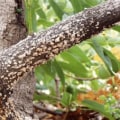
Understanding tree diseases is essential for any tree owner or enthusiast. Trees, much like humans, can fall victim to a variety of ailments that can compromise their health and longevity. These diseases can stem from various sources, including fungi, bacteria, viruses, and environmental stressors. Recognizing the different types of tree diseases is the first step in ensuring the vitality of your trees. Common tree diseases include root rot, which often manifests as wilting leaves and stunted growth, and powdery mildew, characterized by a white powdery substance on leaves.
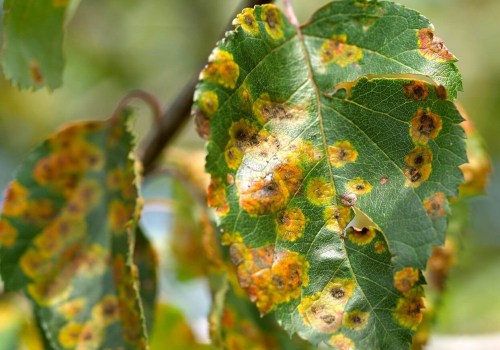
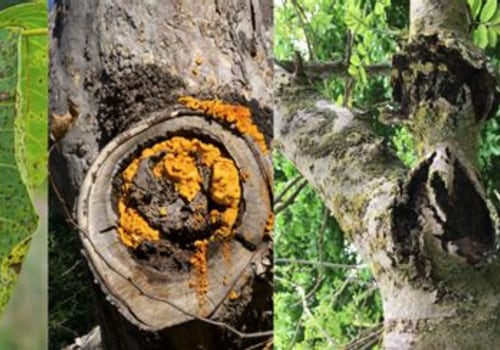
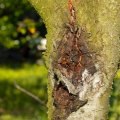
Other notable conditions include canker diseases, which create sunken areas on the bark, and leaf spot diseases, where dark spots appear on foliage. Each of these ailments presents unique symptoms that can serve as warning signs for tree owners. Early detection is crucial in managing tree health effectively. Symptoms such as yellowing leaves, premature leaf drop, or unusual growth patterns should not be overlooked. By understanding these signs and the specific symptoms of tree diseases, you can take proactive measures to treat affected trees before the situation escalates.
This knowledge not only aids in preserving your trees but also contributes to a healthier ecosystem overall.
The Importance of Eco-Friendly Treatments
In recent years, the shift towards eco-friendly treatments for tree disease treatment has gained significant momentum. This change is driven by a growing awareness of the environmental impact of traditional chemical treatments, which can harm beneficial organisms and disrupt local ecosystems. By opting for sustainable methods, gardeners and foresters can promote healthier trees while preserving the surrounding environment.One of the primary benefits of using environmentally friendly tree disease treatment options is their ability to enhance soil health. Many organic treatments, such as compost teas and natural fungicides, not only target specific tree diseases but also enrich the soil with vital nutrients.This holistic approach fosters a thriving ecosystem that supports not just the trees but also the myriad of organisms that contribute to a balanced environment.
- Reduced Chemical Exposure: Eco-friendly treatments minimize the risk of chemical runoff into waterways, protecting aquatic life and drinking water sources.
- Enhanced Biodiversity: By avoiding harsh chemicals, these methods encourage a diverse range of beneficial insects and microorganisms that can naturally combat tree diseases.
- Long-Term Sustainability: Eco-friendly practices promote resilience in trees, making them less susceptible to diseases over time.
Natural Remedies for Tree Diseases
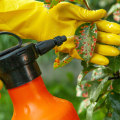
When it comes to tree disease treatment, many gardeners and tree enthusiasts are turning to natural remedies as a sustainable and eco-friendly approach.These remedies not only help in managing diseases but also promote overall tree health without the use of harsh chemicals.
Homemade Solutions
One of the simplest ways to treat tree diseases is by using homemade solutions. Here are a few effective recipes:- Baking Soda Spray: Mix 1 tablespoon of baking soda with 1 gallon of water. This solution can help combat fungal infections. Spray it on affected areas every two weeks.
- Neem Oil: Derived from the seeds of the neem tree, this oil is a powerful natural pesticide.
Mix 2 tablespoons of neem oil with 1 gallon of water and a few drops of dish soap. Apply it to the leaves and bark to deter pests and treat fungal issues.
- Cider Vinegar Solution: Combine 1 part apple cider vinegar with 3 parts water. This mixture can help in treating root rot and other fungal diseases when applied to the soil around the tree.
Organic Treatments for Trees
In addition to homemade solutions, there are several organic treatments available that can effectively manage tree diseases:- Compost Tea: Brewed from compost, this nutrient-rich liquid can boost a tree's immune system. Apply it as a soil drench or foliar spray to enhance plant health.
- Beneficial Microorganisms: Products containing mycorrhizal fungi or beneficial bacteria can improve soil health and help trees resist diseases by enhancing nutrient uptake.
- Essential Oils: Oils such as tea tree or eucalyptus have antifungal properties.
Dilute them in water and spray on affected areas to help control infections.
Biological Control Methods
Biological control methods offer a natural and environmentally friendly approach to managing tree diseases. These methods leverage the power of beneficial organisms to combat pathogens and pests that threaten tree health. By promoting the presence of these organisms, tree owners can enhance the resilience of their trees without resorting to harmful chemicals.Beneficial Insects
- Ladybugs: Known for their appetite for aphids, ladybugs can help control populations of these pests that often weaken trees.
- Parasitic Wasps: These wasps lay their eggs in or on pest insects, effectively reducing pest populations that can lead to tree diseases.
- Predatory Mites: These tiny creatures feed on spider mites and other harmful pests, providing a natural defense for trees.
Microorganisms
- Bacillus thuringiensis (Bt): This bacterium is effective against certain caterpillars and can be used to protect trees from defoliation.
- Trichoderma spp.: These fungi are known for their ability to outcompete harmful pathogens in the soil, promoting healthier root systems.
- Mycorrhizal Fungi: By forming symbiotic relationships with tree roots, these fungi enhance nutrient uptake and improve tree vigor, making them less susceptible to diseases.
However, when implemented correctly, these strategies not only help in managing tree diseases but also contribute to a more balanced ecosystem. By fostering a habitat that supports beneficial organisms, tree owners can create a sustainable approach to tree care that minimizes environmental impact while promoting healthy growth.
Cultural Practices to Prevent Tree Diseases
Preventing tree diseases is often more effective than treating them after they occur. Implementing cultural practices can significantly enhance tree health and resilience against various diseases. Here are some essential practices to consider:- Proper Watering: Trees require adequate moisture, but overwatering can lead to root rot and other fungal diseases.
Aim for deep watering sessions that encourage roots to grow deeper into the soil. This not only helps in drought conditions but also reduces the likelihood of surface diseases.
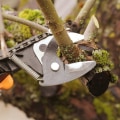
- Pruning: Regular pruning helps maintain tree structure and health. Remove dead or diseased branches promptly to prevent the spread of pathogens. Additionally, thinning out crowded branches improves air circulation, reducing humidity levels that favor disease development.
- Soil Management: Healthy soil is the foundation of a healthy tree.
Conduct soil tests to determine nutrient levels and pH balance. Amend the soil with organic matter, such as compost, to improve its structure and fertility. This promotes strong root systems that can better withstand stress and disease.
- Mulching: Applying a layer of organic mulch around the base of trees can help retain moisture, suppress weeds, and regulate soil temperature. However, ensure that mulch is not piled against the trunk, as this can create a moist environment conducive to rot.
- Diversity in Planting: Avoid monoculture planting by incorporating a variety of tree species in your landscape.
This diversity can reduce the risk of widespread disease outbreaks, as different species may have varying levels of resistance to specific pathogens.
Case Studies: Successful Eco-Friendly Treatments
In recent years, several case studies have emerged showcasing the effectiveness of eco-friendly treatments for various tree diseases. These success stories not only highlight innovative approaches but also inspire confidence in sustainable practices.Case Study 1: The Oak Wilt Recovery
A community in Texas faced a severe outbreak of oak wilt, a devastating fungal disease affecting oak trees. Instead of resorting to chemical treatments, local arborists implemented a strategy involving biological control agents.They introduced beneficial fungi that outcompeted the pathogen, significantly reducing its spread. Over three years, the health of the oak population improved dramatically, with a 70% recovery rate observed in treated areas.
Case Study 2: Citrus Greening Management
In Florida, citrus growers battled citrus greening disease, which threatened their crops. Researchers developed an eco-friendly treatment using a combination of essential oils and natural insecticides. This approach not only targeted the disease but also repelled the insects responsible for its transmission.After two growing seasons, participating farms reported a 50% increase in fruit yield and healthier trees overall.
Case Study 3: The Ash Tree Revival
A city in Michigan faced the loss of its ash trees due to the emerald ash borer. Instead of using harsh chemicals, they opted for a program that involved injecting trees with a solution derived from neem oil. This natural pesticide proved effective in controlling the borer population while being safe for surrounding wildlife. The initiative resulted in a 60% survival rate among treated trees over five years.These case studies illustrate that eco-friendly treatments can be both effective and sustainable.By adopting such methods, communities not only protect their trees but also contribute to a healthier ecosystem.
Frequently Asked Questions about Tree Disease Treatment
When it comes to tree disease treatment, many homeowners and gardeners have questions about the best practices and options available. Here are some frequently asked questions that can help clarify your concerns:What are the signs of tree diseases?
Identifying tree diseases early is crucial for effective treatment. Common signs include:- Discoloration of leaves or bark
- Wilting or drooping branches
- Unusual growths, such as galls or cankers
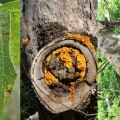
- Fungal growth on the trunk or soil
- Leaf drop or premature fall
Are there environmentally friendly treatments for tree diseases?
Yes, there are several eco-friendly options for treating tree diseases:- Neem oil: This natural pesticide is effective against various pests and diseases.
- Baking soda: A solution of baking soda and water can help combat fungal infections.
- Companion planting: Certain plants can deter pests and improve tree health.
- Beneficial insects: Introducing ladybugs or lacewings can help control harmful pests.
How can I prevent tree diseases?
Prevention is key to maintaining healthy trees. Consider these practices:- Regular inspections: Check your trees for early signs of disease.
- Proper watering: Ensure trees receive adequate moisture without overwatering.
- Avoiding injuries: Be cautious when using lawn equipment near trees.
- Soil health: Maintain healthy soil through mulching and organic amendments.
Conclusion: Embracing Sustainable Tree Care Practices
In conclusion, addressing tree diseases through environmentally friendly methods is not only beneficial for the health of our trees but also essential for the overall well-being of our ecosystems.As we have explored, traditional chemical treatments can often lead to adverse effects on soil health, water quality, and non-target species. Therefore, embracing sustainable practices is crucial.By opting for natural remedies such as neem oil, compost tea, and beneficial microorganisms, we can effectively manage tree diseases while minimizing our ecological footprint. These methods not only treat existing issues but also enhance the resilience of trees against future threats.
- Regular Monitoring: Keeping a close eye on tree health can help in early detection of diseases, allowing for timely intervention.
- Soil Health: Improving soil quality through organic amendments supports tree vitality and reduces susceptibility to diseases.
- Diversity: Planting a variety of tree species can create a more resilient landscape that is less prone to widespread disease outbreaks.
As stewards of nature, it is our duty to protect not only our trees but also the intricate ecosystems they support. Let us embrace these sustainable practices and contribute to a healthier planet.