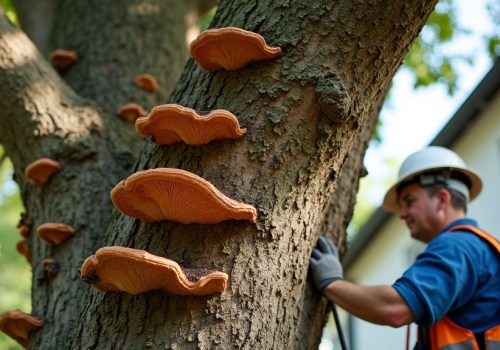
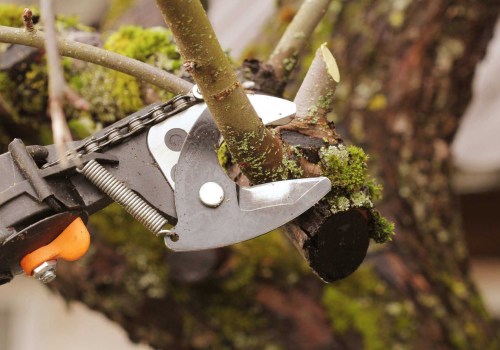
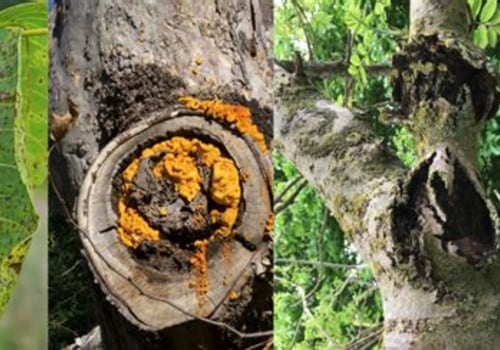
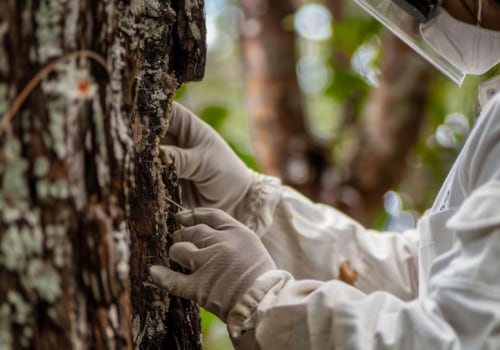
Understanding the costs associated with treating tree diseases is crucial for homeowners and property managers alike. Trees are not only vital to our environment but also enhance the aesthetic appeal and value of properties. However, when trees fall victim to diseases, the financial implications can be significant. This section aims to shed light on the various factors that influence tree disease treatment costs, helping you make informed decisions about managing your landscape.The cost of treating tree diseases can vary widely based on several elements, including the type of disease, the species of tree affected, and the extent of the damage.
For instance, some diseases may require simple treatments such as pruning or applying fungicides, while others might necessitate more complex interventions like injections or even tree removal. Additionally, the location and accessibility of the tree can further impact treatment expenses.Moreover, understanding tree disease management expenses is not just about immediate costs; it also involves considering long-term investments in tree health. Regular maintenance and early intervention can often prevent more severe issues down the line, ultimately saving money in the long run. As we delve deeper into this topic, we will explore specific treatments, their associated costs, and strategies for effective tree disease management.
Understanding Tree Diseases
Understanding tree diseases is essential for any tree owner or caretaker.Trees, like all living organisms, can be affected by a variety of diseases that can compromise their health and longevity. These diseases can be caused by fungi, bacteria, viruses, or environmental factors.
Types of Tree Diseases
- Fungal Infections: These are among the most common types of tree diseases. Examples include root rot, powdery mildew, and canker diseases.
- Bacterial Diseases: Bacteria can cause issues such as bacterial blight and crown gall, which often lead to wilting and dieback.
- Viral Infections: Though less common, viruses can severely affect trees, leading to stunted growth and leaf discoloration.
- Environmental Stress: Factors like drought, pollution, and poor soil conditions can also lead to disease-like symptoms in trees.
Common Symptoms of Tree Diseases
Identifying the symptoms of tree diseases early can significantly impact treatment options and costs. Common symptoms include:- Discoloration of Leaves: Yellowing or browning leaves may indicate stress or disease.
- Wilting: Affected trees may show signs of wilting, even when soil moisture is adequate.
- Bark Damage: Cracks, peeling, or oozing sap from the bark can signal serious issues.
- Unusual Growths: Galls or abnormal growths on branches or leaves often indicate a problem.
This knowledge not only aids in effective management but also helps in estimating the potential costs associated with treatment options.
Factors Influencing Treatment Costs
When considering tree disease treatment, several key factors can significantly influence the overall costs. Understanding these variables can help homeowners and property managers budget effectively for necessary treatments.- Type of Disease: The specific tree disease affecting your tree plays a crucial role in determining treatment costs. Some diseases may require simple interventions, while others might necessitate extensive treatments or even tree removal.
- Severity of the Infection: The extent to which a tree is affected by disease can greatly impact treatment expenses. Early detection and intervention often lead to lower costs, whereas advanced stages of disease may require more aggressive and expensive treatments.
- Tree Size: Larger trees typically incur higher treatment costs due to the increased labor and materials required.
For instance, treating a mature oak tree will generally be more expensive than treating a small sapling.
- Location: The geographical location of the tree can also affect pricing. Urban areas may have higher labor costs due to accessibility issues, while rural areas might have fewer specialists available, potentially increasing travel fees.
- Type of Treatment: Different treatment methods come with varying price tags. Chemical treatments, injections, or organic solutions each have their own cost structures. Additionally, ongoing maintenance or follow-up treatments may be necessary, adding to the total expense.
It is advisable to consult with a certified arborist who can provide a detailed assessment and cost estimate tailored to your specific situation.
Common Treatment Options and Their Costs
When it comes to tree disease treatment, understanding the various options available and their associated costs is crucial for homeowners and property managers. Here are some common treatment options:- Chemical Treatments: These are often the first line of defense against severe tree diseases. Chemical treatments can include fungicides, insecticides, and herbicides. The cost for these products can range from $10 to $100 per application, depending on the type of chemical and the size of the tree.
For larger trees or extensive infestations, multiple applications may be necessary, leading to total costs of $200 to $500.
- Organic Solutions: For those looking for environmentally friendly options, organic treatments such as neem oil or compost tea can be effective. While these solutions are generally safer for the ecosystem, they may require more frequent applications. Costs for organic treatments typically range from $15 to $75 per application, with total expenses potentially reaching $150 to $300 over a treatment period.
- Professional Services: Hiring an arborist or tree care professional can provide a comprehensive approach to diagnosing and treating tree diseases. Professional services often include a thorough assessment, treatment application, and ongoing monitoring.
The cost for these services can vary widely based on location and the severity of the disease, typically ranging from $100 to $1,000. For example, a basic consultation might cost around $100, while extensive treatments could exceed $500.
DIY vs Professional Treatment: Cost Comparison
When it comes to tree disease treatment, homeowners often face a critical decision: should they tackle the problem themselves or hire a professional? Understanding the costs associated with both options can help you make an informed choice.DIY Tree Disease Treatment Costs
Opting for a DIY approach can be appealing due to the potential cost savings. However, it’s essential to consider the expenses involved:- Materials: Depending on the type of tree disease, you may need to purchase fungicides, insecticides, or other treatment products.
These can range from $10 to $100 or more, depending on the severity of the disease and the size of your tree.
- Tools: If you don’t already own the necessary tools (like pruning shears, sprayers, or protective gear), you might need to invest an additional $50 to $200.
- Time: While not a direct financial cost, consider the value of your time. DIY treatments can be labor-intensive and may require multiple applications over weeks or months.
Professional Tree Care Services Pricing
Hiring a professional tree care service can provide peace of mind and often more effective results. However, this option comes with its own set of costs:- Consultation Fees: Many professionals charge for an initial consultation, which can range from $50 to $150.
- Treatment Costs: The actual treatment can vary widely based on the type of disease and the size of the tree. On average, you might expect to pay between $100 and $500 for comprehensive treatment.
- Follow-Up Services: Some services include follow-up visits or monitoring as part of their package, which can add another $50 to $200.
Conversely, professional services offer expertise and potentially better outcomes but at a higher price point. Weighing these factors will help you decide which approach is best for your specific situation.
Long-term Financial Implications of Tree Disease Treatment
When considering tree disease treatment, it is essential to evaluate the long-term financial implications associated with both treatment and neglect. Investing in the health of your trees can lead to significant savings over time, while ignoring tree diseases can result in escalating costs.Long-term Costs of Tree Care
- Regular Maintenance: Trees that receive proper care, including disease treatment, pruning, and fertilization, tend to require less frequent and less costly interventions in the future.
- Increased Property Value: Healthy trees enhance the aesthetic appeal of your property, potentially increasing its market value. This can be a significant return on investment.
- Insurance Costs: Neglected trees may pose risks such as falling branches or complete tree failure, leading to higher insurance premiums or claims.
Financial Impact of Untreated Tree Diseases
- Spread of Disease: If a tree disease is left untreated, it can spread to other trees, resulting in a larger scale problem that requires more extensive and expensive treatment.
- Removal Costs: Eventually, untreated diseases may necessitate the removal of affected trees.
The costs associated with tree removal can be substantial, especially for large or mature trees.
- Environmental Impact: Dying trees can lead to soil erosion and loss of habitat for local wildlife, which may incur additional costs for restoration efforts.
Investment in Tree Health
Investing in tree disease treatment is not merely an expense; it is a proactive approach to maintaining the health and longevity of your landscape. By prioritizing tree health through regular assessments and timely treatments, property owners can mitigate future risks and expenses. This investment not only protects your financial interests but also contributes positively to the environment and community aesthetics.
Frequently Asked Questions about Tree Disease Treatment Costs
When it comes to tree disease treatment, many homeowners have questions regarding the associated costs. Understanding these costs can help you make informed decisions about your trees' health and care.What factors influence the cost of treating tree diseases?
The cost of tree disease treatment can vary significantly based on several factors:- Type of Disease: Some diseases require more intensive treatment than others, affecting overall costs.
- Tree Size and Species: Larger trees or certain species may require specialized equipment or techniques, increasing labor costs.
- Location: Treatment costs can vary by region due to differences in labor rates and availability of services.
- Extent of Damage: Trees with severe damage may need more extensive treatment or even removal, which can be costly.
Are there any additional costs to consider?
Yes, aside from the direct treatment costs, there are other expenses that may arise:- Consultation Fees: Many arborists charge for an initial assessment to diagnose the problem.
- Follow-up Treatments: Some diseases require multiple treatments over time, adding to the total cost.
- Preventive Measures: Investing in preventive care can help avoid future diseases, which may incur additional upfront costs but save money in the long run.
How can I save on tree disease treatment costs?
To manage expenses effectively, consider the following tips:- Regular Maintenance: Keeping your trees healthy through regular maintenance can prevent diseases from developing.
- Early Detection: Identifying issues early can lead to less expensive treatments compared to waiting until the problem worsens.
- Get Multiple Quotes: Comparing prices from different arborists can help you find a reasonable rate for necessary treatments.
Conclusion: Making Informed Decisions on Tree Disease Treatment Costs
In conclusion, understanding the costs associated with tree disease treatment is crucial for any property owner looking to maintain the health and longevity of their trees.Throughout this article, we have explored various factors that influence these costs, including the type of disease, the size and species of the tree, and the methods of treatment available.It is essential to recognize that investing in tree disease treatment can prevent more significant issues down the line. By addressing tree health proactively, you not only protect your landscape but also enhance property value and curb appeal. Here are some key takeaways:
- Diagnosis is Key: Accurate diagnosis by a certified arborist can save you money by ensuring that you choose the most effective treatment.
- Cost Variability: Treatment costs can vary widely based on geographic location, tree size, and disease severity. Always obtain multiple quotes to compare.
- Preventive Measures: Regular maintenance and preventive care can significantly reduce the risk of tree diseases, ultimately lowering treatment costs.
Regular inspections and consultations with professionals can help you make informed decisions regarding tree disease treatment. By prioritizing tree health and understanding the associated costs, you can ensure that your trees remain vibrant and resilient for years to come.Take action today—schedule an assessment with a local arborist and invest in the health of your trees. The benefits will far outweigh the costs in the long run.