Understanding tree diseases is essential for any tree owner, as these ailments can significantly impact the health and longevity of your trees. Trees, much like humans, can fall victim to a variety of diseases caused by fungi, bacteria, viruses, and environmental factors. Recognizing the symptoms of these diseases is the first step in determining whether you can manage treatment on your own or if you should seek professional assistance. There are several common types of tree diseases that you might encounter. For instance, root rot is a prevalent issue often caused by overwatering or poor drainage, leading to wilting leaves and a general decline in tree vigor.
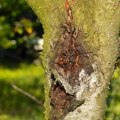
Another frequent culprit is powdery mildew, which manifests as a white powdery substance on leaves and can hinder photosynthesis. Additionally, canker diseases, which create sunken areas on the bark, can severely damage the tree's ability to transport nutrients. Each of these diseases presents unique challenges and symptoms that require careful observation. By familiarizing yourself with the signs of common tree diseases, you can make informed decisions about treatment options. Some issues may be manageable with DIY solutions, such as pruning infected branches or applying fungicides, while others may necessitate the expertise of a certified arborist to ensure the health of your tree and surrounding landscape.
Signs Your Tree May Be Diseased
Identifying tree disease symptoms early is crucial for effective treatment.Trees, like any living organism, exhibit various signs when they are unwell. Here are some common indicators that your tree may be suffering from a disease:
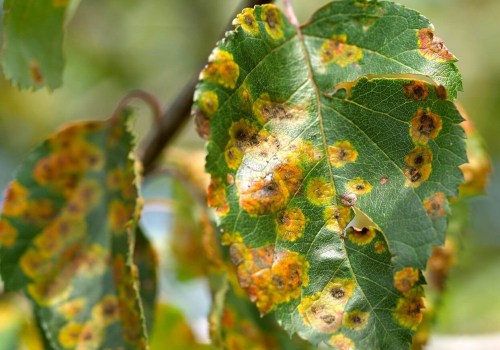
- Discoloration of Leaves: One of the first signs of a potential issue is the change in leaf color. Healthy leaves are typically vibrant green, so yellowing, browning, or spotting can indicate stress or disease.
- Wilting or Dropping Leaves: If your tree's leaves are wilting or falling prematurely, it may be a sign of a serious problem. This can be due to root issues, environmental stress, or disease.
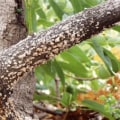
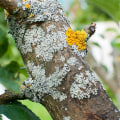
- Unusual Growths: Look for any abnormal growths such as galls, cankers, or fungal fruiting bodies on the bark or leaves.
These can be indicators of specific diseases that require attention.
- Bark Damage: Cracks, peeling, or oozing sap from the bark can signal that your tree is under attack from pests or pathogens. Inspect the bark regularly for these signs.
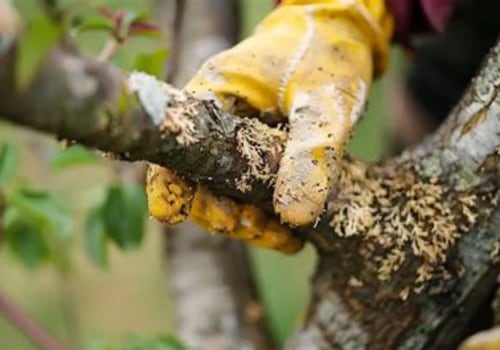
- Pest Infestation: The presence of insects such as aphids, borers, or scale can also indicate underlying health issues. Pests often thrive on weakened trees and can exacerbate existing problems.
Early detection and intervention can make a significant difference in the outcome of tree disease treatment.
DIY Tree Disease Treatment Options
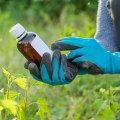
When faced with a tree disease, many homeowners consider DIY tree disease treatment options before calling in a professional. There are several methods you can try at home, ranging from natural remedies to commercially available products.Natural Remedies
Many tree diseases can be managed with simple, natural solutions. Here are a few effective home remedies:- Neem Oil: This natural pesticide is effective against various pests and fungal infections. Mix neem oil with water and spray it on the affected areas of the tree.
- Baking Soda: A mixture of baking soda and water can help combat fungal diseases.
Apply it as a spray to the leaves and branches.
- Copper Fungicide: While not entirely natural, copper-based fungicides are less toxic and can be used to treat a range of fungal infections.
Commercial Products
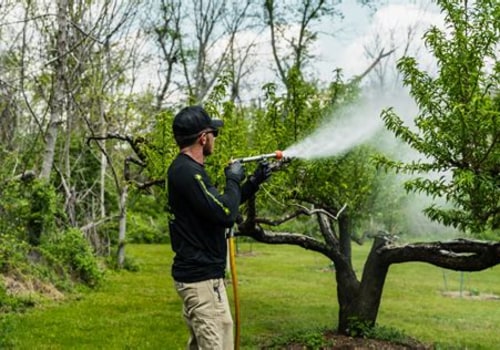
If natural remedies do not yield results, consider using commercially available products specifically designed for tree disease treatment. Look for:- Pesticides: These can help control insect infestations that may be contributing to the disease.
- Fungicides: Target specific fungal infections with fungicides that are labeled for use on trees.
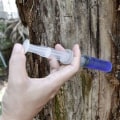
- Systemic Treatments: These products are absorbed by the tree and can provide long-lasting protection against various diseases.
If your tree shows signs of severe distress or if treatments do not improve its condition, consulting an arborist may be the best course of action.
When to Hire a Professional Arborist
While many tree diseases can be managed with DIY methods, there are specific scenarios where hiring a professional arborist is not just advisable but essential. Understanding when to seek expert help can save your trees and potentially your property.Complex Diagnoses
If you notice symptoms such as unusual leaf discoloration, premature leaf drop, or abnormal growth patterns, it may be time to consult an arborist. These professionals have the training and experience to accurately diagnose complex tree diseases that may not be apparent to the untrained eye. Misdiagnosis can lead to ineffective treatments and further harm to the tree.Severe Infestations
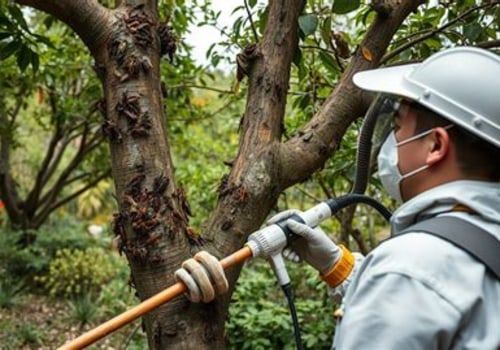
In cases of severe pest infestations or fungal infections, a professional's intervention is crucial.Arborists have access to specialized treatments and can implement them safely and effectively. They also understand the ecological impact of various treatments, ensuring that your approach is both effective and environmentally responsible.
Safety Concerns
Tree care can involve significant risks, especially when dealing with large trees or those near power lines. A professional arborist is trained in safe handling practices and has the necessary equipment to manage hazardous situations. Attempting to treat a tree disease on your own in these circumstances can lead to accidents or injuries.Long-Term Tree Health
Hiring a professional for tree disease treatment not only addresses immediate issues but also contributes to the long-term health of your trees.Arborists can provide ongoing care plans that include proper pruning, soil management, and pest control strategies tailored to your specific environment.
Benefits of Professional Treatment
- Expert Knowledge: Arborists stay updated on the latest research and treatment methods for tree diseases.
- Comprehensive Care: They offer holistic approaches that consider the entire ecosystem surrounding your trees.
- Time-Saving: Professional treatment can save you time and effort, allowing you to focus on other important tasks.
- Guaranteed Results: Many professionals offer warranties on their work, providing peace of mind that your trees are in good hands.
Cost Comparison: DIY vs. Professional Treatment
When considering tree disease treatment, one of the most significant factors to evaluate is the cost associated with DIY methods versus hiring a professional. Understanding these costs can help you make an informed decision that aligns with your budget and the health of your trees.Cost of DIY Treatments
Engaging in DIY tree disease treatment can be appealing due to its lower upfront costs. Basic supplies such as fungicides, insecticides, and pruning tools can range from $20 to $100, depending on the severity of the disease and the size of the tree.Additionally, you may need to invest in protective gear, which can add another $30 to $50 to your total expenses.However, it’s essential to consider the potential hidden costs of DIY treatments. If the treatment fails or if you misdiagnose the issue, you may end up spending more on additional products or even causing further damage that necessitates professional intervention.
Professional Treatment Costs
On the other hand, hiring a professional arborist typically involves higher initial costs, ranging from $100 to $500 or more, depending on the complexity of the treatment and the size of your tree. This fee often includes a thorough diagnosis, application of specialized treatments, and follow-up care.While this may seem steep, professionals bring expertise that can save you money in the long run by effectively addressing the problem on the first attempt. Moreover, they can provide ongoing maintenance plans that help prevent future issues, potentially reducing overall costs.Budgeting for Tree Care
When budgeting for tree care, consider not only the immediate costs but also long-term implications.Investing in professional care may seem more expensive initially but could lead to healthier trees and fewer problems down the line. Conversely, if you choose a DIY approach, ensure you are well-informed about the specific disease affecting your tree and have a clear plan for treatment.Ultimately, weighing these costs against your tree's health needs will guide you in making a decision that is both financially sound and beneficial for your landscape.
Frequently Asked Questions About Tree Disease Treatment
When it comes to tree disease treatment, many homeowners have questions about the best course of action. Here are some frequently asked questions that can help clarify your doubts:- What are the signs of tree disease? Common symptoms include yellowing leaves, wilting, unusual growths, and bark discoloration. If you notice any of these signs, it’s essential to investigate further.
- Can I treat tree diseases myself? While some minor issues can be managed with DIY methods, such as pruning infected branches or applying over-the-counter treatments, more severe diseases often require professional intervention.
It’s crucial to correctly identify the disease before attempting treatment.
- What are the risks of DIY tree disease treatment? Incorrect treatment can worsen the condition or even kill the tree. Additionally, some diseases can spread to other plants if not handled properly.
- When should I hire a professional? If you’re dealing with a widespread infestation, a significant tree species is affected, or if you’re unsure about the diagnosis, it’s best to consult an arborist. Professionals have the expertise and tools necessary for effective treatment.
- How much does professional tree disease treatment cost? Costs can vary widely based on the severity of the disease and the size of the tree. On average, treatments can range from $100 to $1,000 or more.
Always prioritize safety and the well-being of your landscape when considering treatment options.
Conclusion: Making the Right Choice for Your Trees
In conclusion, addressing tree disease treatment is a critical aspect of maintaining the health and longevity of your trees. Throughout this article, we have explored the various factors that influence whether you should tackle tree diseases on your own or seek the expertise of a professional arborist. Understanding the specific type of tree disease affecting your plants is essential. Some diseases can be effectively managed with DIY methods, especially if they are caught early and are not too severe. Simple treatments such as pruning infected branches, applying fungicides, or improving soil conditions can often yield positive results. However, there are instances where the complexity of the disease or the potential for widespread damage necessitates professional intervention.Hiring an expert can provide you with:
- Accurate Diagnosis: Professionals have the training and experience to identify diseases that may not be obvious to the untrained eye.
- Advanced Treatment Options: Experts can access specialized treatments and tools that are not available to the general public.
- Long-term Care Plans: A professional can offer ongoing monitoring and care strategies to prevent future issues.