Tree diseases pose a significant threat to the vitality and longevity of trees, impacting not only their health but also the ecosystems they support. Understanding tree disease is crucial for anyone who values the beauty and functionality of trees in our environment. These diseases can arise from various factors, including pathogens, environmental stressors, and even human activities. As trees are vital for air quality, wildlife habitats, and climate regulation, recognizing the long-term effects of these diseases is essential for effective tree disease treatment.The long-term effects of a tree disease can be profound and multifaceted.
Initially, a tree may exhibit symptoms such as wilting leaves, stunted growth, or discoloration. However, if left untreated, these symptoms can escalate into more severe issues like structural weakness or complete tree decline. Over time, a diseased tree may become more susceptible to pests and other environmental stresses, leading to a cascading effect that compromises its overall health and stability. Moreover, the impact of tree diseases extends beyond individual trees; it can affect entire forests and urban landscapes. A single infected tree can serve as a reservoir for pathogens that threaten neighboring trees, leading to widespread damage.
Therefore, understanding the implications of tree health in relation to disease is vital for both conservation efforts and urban planning. By prioritizing awareness and proactive management strategies, we can mitigate the long-term consequences of tree diseases and ensure healthier ecosystems for future generations.
What Are Tree Diseases?
Tree diseases can significantly impact the health and longevity of trees, making it essential to understand their various types, causes, and symptoms. By identifying these factors early, tree owners can implement effective tree disease treatment strategies.Types of Tree Diseases
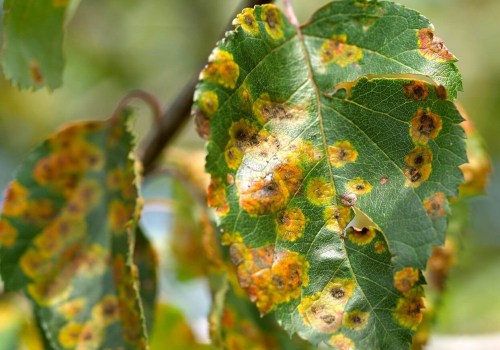
- Fungal Diseases: These are among the most common tree diseases, often manifesting as leaf spots, cankers, or root rot. Examples include Armillaria and Oak Wilt.
- Bacterial Diseases: Caused by bacteria, these diseases can lead to wilting, leaf blight, and gumming.
Notable examples are Bacterial Canker and Crown Gall.
- Viral Diseases: Though less common, viral infections can cause stunted growth and discoloration. Examples include Tobacco Mosaic Virus.
- Nematode Infestations: These microscopic worms can damage roots and lead to poor tree health.
Causes of Tree Diseases
The causes of tree diseases are varied and can include:- Environmental Stress: Factors such as drought, excessive moisture, or poor soil conditions can weaken trees, making them more susceptible to diseases.
- Pests: Insects like bark beetles or aphids can introduce pathogens that lead to disease.
- Inadequate Care: Poor pruning practices or lack of proper nutrition can contribute to a tree's vulnerability.
Common Symptoms of Tree Diseases
Recognizing the symptoms of tree diseases is crucial for timely intervention. Common signs include:- Discoloration: Yellowing or browning leaves may indicate stress or disease.
- Wilting: Affected trees may show signs of wilting or drooping branches.
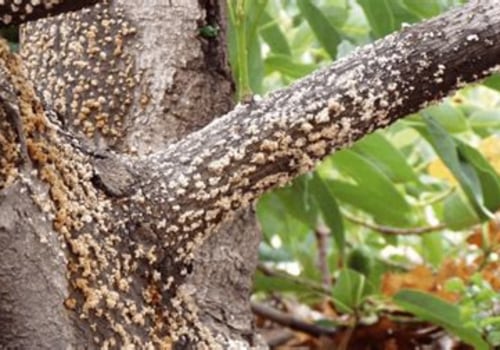
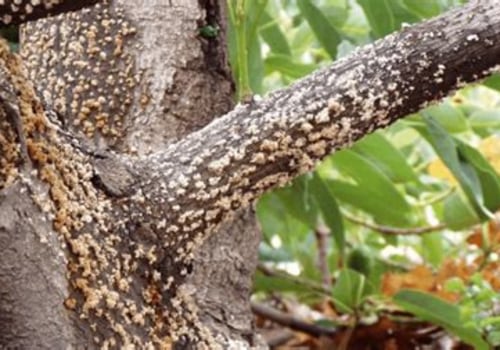
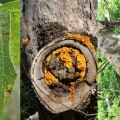
- Cankers: These sunken areas on the bark are often a sign of fungal infection.
- Pest Presence: The presence of insects or their damage can signal underlying disease issues.
How Tree Diseases Affect Tree Health Over Time
Tree diseases can have profound long-term effects on the health of a tree, influencing its growth patterns, vitality, and overall resilience. Understanding these impacts is crucial for effective tree disease treatment and management.Impact on Growth
- Stunted Growth: Many tree diseases can lead to reduced growth rates.
For instance, fungal infections may disrupt nutrient uptake, causing trees to grow slower than healthy counterparts.
- Deformed Structures: Some diseases can cause abnormal growths or deformities in branches and trunks, which can affect the tree's structural integrity and aesthetic value.
- Reduced Leaf Production: Infected trees often produce fewer leaves, limiting their ability to photosynthesize effectively, which is essential for growth.
Impact on Vitality
- Weakened Immune Response: A tree suffering from disease may have a compromised immune system, making it more susceptible to pests and other diseases.
- Increased Stress: Trees affected by disease often experience higher levels of stress due to nutrient deficiencies and environmental factors, which can lead to further decline.
- Shortened Lifespan: Chronic diseases can significantly reduce a tree's lifespan, leading to premature death if not addressed promptly.
Tree Disease Treatment Options
When it comes to tree disease treatment, timely intervention is crucial to preserving the health of affected trees. There are several methods available, each with its own advantages and considerations.Chemical Treatments
Chemical treatments can be effective for managing certain tree diseases, particularly those caused by fungi or pests.These treatments often include:
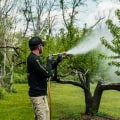
- Fungicides: These are used to combat fungal infections. It's essential to apply them at the first sign of disease for maximum effectiveness.
- Pesticides: In cases where insects are the primary cause of disease, targeted pesticides can help eliminate the pests and reduce further damage.
- Systemic Treatments: These involve applying chemicals that are absorbed by the tree and circulate throughout its system, providing internal protection against diseases.
Organic Treatments
For those seeking more environmentally friendly options, organic treatments can be a viable alternative. Some popular organic methods include:- Neem Oil: This natural pesticide is effective against a variety of pests and can also help control fungal infections.
- Baking Soda: A simple solution that can be mixed with water and sprayed on leaves to combat powdery mildew and other fungal issues.
- Companion Planting: Introducing certain plants that naturally repel pests can help protect trees from disease without the use of chemicals.
Prevention Strategies
Preventing tree diseases is often more effective than treating them. Here are some strategies to consider:- Regular Inspections: Routinely check trees for signs of disease or pest infestations to catch issues early.
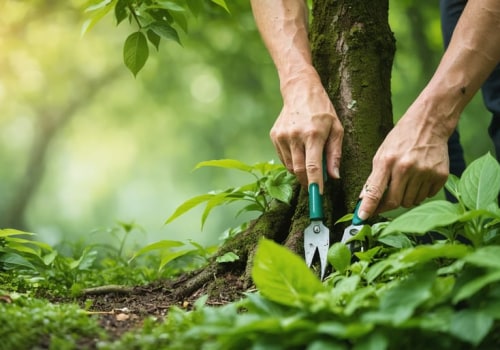
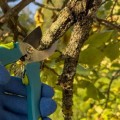
- Proper Pruning: Remove dead or diseased branches to improve air circulation and reduce the risk of infection.
- Soil Health: Maintaining healthy soil through proper fertilization and mulching can strengthen trees and make them more resistant to diseases.
Implementing prevention strategies alongside treatment can significantly enhance the long-term health of your trees.
Preventive Measures for Tree Health Maintenance
Maintaining the health of trees is crucial in preventing the onset of tree diseases that can have long-term detrimental effects. Implementing effective preventive care for trees not only enhances their resilience but also promotes a thriving ecosystem. Here are some best practices for tree care that can significantly reduce the risk of disease:- Regular Inspections: Conduct routine checks for signs of disease, pests, or environmental stress. Early detection is key to effective tree disease treatment.
- Proper Watering: Ensure trees receive adequate water, especially during dry spells.
Overwatering can lead to root rot, while underwatering can weaken the tree.
- Soil Health: Test soil pH and nutrient levels to ensure optimal growing conditions. Amend the soil as necessary to support healthy root development.
- Pruning: Regularly prune dead or diseased branches to improve air circulation and sunlight penetration, which helps prevent fungal infections.
- Pest Management: Use integrated pest management (IPM) strategies to control pests without harming beneficial insects. This includes monitoring pest populations and applying organic treatments when necessary.
- Mulching: Apply a layer of organic mulch around the base of trees to retain moisture, suppress weeds, and regulate soil temperature.
- Diversity in Planting: Avoid monoculture by planting a variety of tree species. This reduces the risk of widespread disease outbreaks that can occur when similar species are planted together.
Remember, proactive care is always more effective than reactive treatment.
FAQs About Tree Diseases and Treatments
When it comes to tree disease treatment, many homeowners and arborists have questions about the implications of various tree diseases. Here are some frequently asked questions that can help clarify common concerns.What are the signs of tree disease?
Identifying tree diseases early is crucial for effective treatment. Common signs include:- Discoloration of leaves or bark
- Wilting or drooping branches
- Unusual growths, such as galls or cankers
- Fungal growth on the trunk or soil
- Excessive leaf drop or premature autumn colors
How effective are treatments for tree diseases?
The effectiveness of tree disease treatments can vary significantly based on several factors:- The type of disease affecting the tree
- The stage at which the disease is diagnosed
- The overall health and age of the tree
- The specific treatment methods employed, such as chemical treatments, pruning, or biological controls
Can a tree fully recover from a disease?
A tree's ability to recover from a disease largely depends on its species, health, and the nature of the disease. Some trees can bounce back completely with proper care and treatment, while others may suffer long-term effects that compromise their structural integrity and vitality.If you suspect your tree is diseased, consulting with a certified arborist can provide tailored advice and treatment options to enhance your tree's chances of recovery.Conclusion: The Importance of Understanding Tree Diseases for Long-Term Health
Understanding the long-term effects of tree diseases is crucial for maintaining the health and vitality of trees.As we have explored, tree diseases can lead to a range of detrimental outcomes, not only affecting the individual tree but also impacting the surrounding ecosystem. One of the primary long-term effects of untreated tree diseases is the gradual decline in tree health. This decline can manifest as reduced growth rates, increased susceptibility to pests, and a higher likelihood of mortality. Trees that are weakened by disease may struggle to compete for resources such as sunlight, water, and nutrients, ultimately leading to their demise. Moreover, the spread of tree diseases can have cascading effects on local biodiversity. Infected trees may no longer provide adequate habitat or food sources for various wildlife species, disrupting the ecological balance.
This highlights the importance of early detection and effective tree disease treatment.To mitigate these long-term impacts, it is essential for tree owners and caretakers to be proactive in their approach. Regular monitoring for signs of disease, implementing proper cultural practices, and seeking professional advice when necessary can significantly enhance a tree's resilience against diseases. In conclusion, understanding tree diseases and their long-term effects is vital for ensuring the health of individual trees and the broader ecosystem. By prioritizing tree disease treatment, we can foster healthier trees that contribute positively to our environment for generations to come.