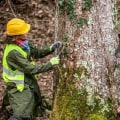
Tree diseases pose a significant threat to both natural ecosystems and cultivated landscapes. Understanding the causes of tree diseases is crucial for effective management and prevention. Trees, much like humans, can fall victim to a variety of ailments that can compromise their health and longevity. These diseases can stem from a multitude of sources, including pathogens such as fungi, bacteria, and viruses, as well as environmental factors like poor soil conditions, inadequate water supply, and extreme weather events. In the realm of forestry and gardening, recognizing the signs of tree diseases early on can make a substantial difference in treatment outcomes.
Symptoms may manifest as discolored leaves, stunted growth, or unusual bark formations. By identifying these indicators promptly, tree owners can implement appropriate tree disease treatment strategies to mitigate damage and restore vitality to affected trees. The significance of addressing tree diseases extends beyond aesthetic concerns; healthy trees contribute to biodiversity, improve air quality, and provide essential habitats for wildlife. Therefore, understanding the intricate relationship between trees and their environment is vital for anyone involved in tree care or management. This article will delve deeper into the various causes of tree diseases and explore effective treatment options to ensure the health and resilience of our green companions.
Common Causes of Tree Diseases
Understanding the causes of tree diseases is essential for effective tree disease treatment.Various factors contribute to the health of trees, and identifying these can help in managing and preventing diseases.
Environmental Factors
Environmental conditions play a significant role in the development of tree diseases. Some key factors include:- Soil Quality: Poor soil conditions, such as compaction or nutrient deficiency, can weaken trees and make them more susceptible to diseases.
- Moisture Levels: Both overwatering and drought can stress trees, leading to vulnerabilities. Excess moisture can promote fungal growth, while drought can weaken a tree's defenses.
- Temperature Extremes: Sudden temperature changes or prolonged exposure to extreme heat or cold can damage trees, making them more prone to infections.
- Air Quality: Pollution and poor air quality can affect tree health, leading to increased susceptibility to diseases.
Pathogens
Pathogens are another major cause of tree diseases. They include:- Fungi: Many tree diseases are caused by fungal infections, which can lead to rot, wilting, and leaf spots.
Common examples include root rot and powdery mildew.
- Bacteria: Bacterial infections can cause gumming, cankers, and leaf blight. These pathogens often thrive in warm, moist conditions.
- Viruses: Viral infections can stunt growth and cause discoloration in leaves. They are often spread by insects or through grafting.
Pests
Pests such as insects and mites can also contribute to tree diseases by damaging bark, leaves, and roots. Common pests include:- Bark Beetles: These insects bore into the bark, disrupting the flow of nutrients and water.
- Aphids: Aphids feed on sap and can transmit viral diseases between trees.
- Mites: Mites can cause leaf discoloration and drop, weakening the tree's overall health.
Environmental Factors Contributing to Tree Diseases
Understanding the environmental factors that contribute to tree diseases is crucial for effective tree disease treatment.Various elements in a tree's surroundings can significantly impact its health and susceptibility to diseases.
Soil Quality
- Nutrient Deficiency: Trees require a balanced supply of nutrients, including nitrogen, phosphorus, and potassium. Poor soil quality can lead to deficiencies that weaken trees, making them more vulnerable to diseases.
- Soil pH: The acidity or alkalinity of the soil affects nutrient availability. A pH that is too high or too low can hinder a tree's ability to absorb essential nutrients, leading to stress and increased disease risk.
- Drainage Issues: Compacted or poorly drained soils can cause root rot and other fungal infections. Ensuring proper drainage is vital for maintaining healthy roots and preventing disease.
Climate Impact
- Temperature Extremes: Sudden temperature fluctuations can stress trees, making them more susceptible to pathogens.
For instance, late frosts can damage new growth, leaving trees vulnerable to infections.
- Humidity Levels: High humidity can create an ideal environment for fungal diseases. Conversely, prolonged drought can weaken trees, making them more prone to infestations and diseases.
- Wind Exposure: Strong winds can physically damage trees and create wounds that serve as entry points for pathogens. Additionally, wind can exacerbate water loss during dry spells.
Pathogens: Fungi, Bacteria, and Viruses
Tree diseases are often caused by various pathogens, which can be broadly categorized into three main groups: fungi, bacteria, and viruses.Each of these pathogens has unique characteristics and modes of action that can significantly impact tree health.
Fungal Diseases in Trees
Fungi are among the most common culprits behind tree diseases. They thrive in moist environments and can infect trees through wounds or natural openings. Some notable fungal diseases include:- Root rot: Caused by fungi such as Armillaria and Phytophthora, this disease leads to the decay of roots, ultimately causing tree decline or death.
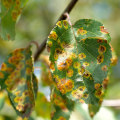
- Leaf spot: Fungi like Septoria and Cercospora create unsightly spots on leaves, which can reduce photosynthesis and weaken the tree.
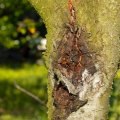
- Canker diseases: These are characterized by sunken lesions on the bark, often caused by fungi such as Coryneum or Botryosphaeria, leading to dieback of branches.
Bacterial Infections in Trees
Bacteria can also cause serious diseases in trees, often leading to rapid decline. Common bacterial infections include:- Bacterial blight: This disease affects various tree species, causing wilting and dieback of shoots.
It is often caused by Pseudomonas syringae.
- Crown gall: Caused by Agrobacterium tumefaciens, this infection results in tumor-like growths on roots and stems, which can hinder nutrient uptake.
- Bacterial wilt: This disease leads to wilting and eventual death of the tree, primarily affecting species like elms and oaks.
Viruses Affecting Trees
While less common than fungal and bacterial pathogens, viruses can still pose a significant threat to tree health. Viral infections often lead to stunted growth, leaf curling, and discoloration. Some examples include:- Tobacco mosaic virus (TMV): Although primarily associated with herbaceous plants, it can infect certain trees, causing mottled leaves.
- Apple mosaic virus: This virus affects apple trees, leading to reduced fruit quality and yield.
Pests and Their Role in Tree Diseases
Pests play a significant role in the health of trees, often acting as vectors for diseases or directly damaging the tree's structure.Understanding how tree pests contribute to tree diseases is crucial for effective tree disease treatment.Common pests that affect trees include:
- Aphids: These small insects suck sap from trees, weakening them and making them more susceptible to diseases.
- Spider Mites: These pests can cause leaf discoloration and drop, leading to stress that invites fungal infections.
- Borers: Wood-boring insects can tunnel into the trunk and branches, disrupting nutrient flow and creating entry points for pathogens.
- Scale Insects: These pests attach themselves to tree bark and feed on sap, which can lead to overall decline in tree vigor.
Pest control for trees
is essential in preventing these issues. Regular monitoring for signs of pest infestations, such as wilting leaves or visible insects, can help in early detection.Integrated pest management (IPM) strategies that combine biological control, cultural practices, and targeted pesticide use can effectively manage pest populations while minimizing harm to beneficial organisms.In conclusion, addressing pest issues promptly is vital for maintaining tree health and preventing the onset of serious diseases. By understanding the relationship between pests and tree diseases, tree owners can implement effective management strategies that promote long-term vitality.
Signs and Symptoms of Tree Diseases
Identifying tree diseases early is crucial for effective tree disease treatment. Trees often exhibit a range of signs and symptoms that can indicate underlying health issues. Recognizing these signs can help you take timely action to preserve the health of your trees.- Discoloration of Leaves: One of the first signs of a diseased tree is the change in leaf color.
Yellowing, browning, or spotting can indicate various issues, including nutrient deficiencies or fungal infections.
- Wilting or Dropping Leaves: If leaves are wilting or falling prematurely, it may suggest that the tree is under stress due to disease or environmental factors.
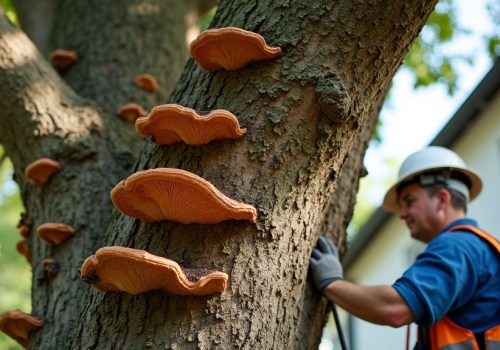
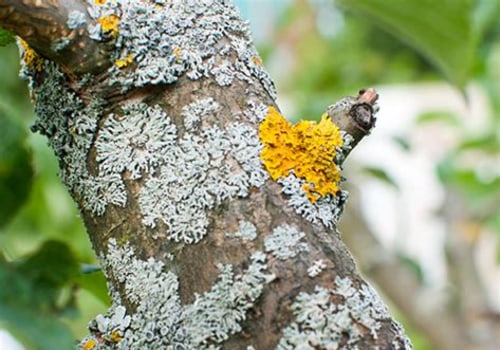
- Abnormal Growths: Look for unusual growths such as galls, cankers, or fungal fruiting bodies on the bark or leaves. These can be indicators of specific diseases that require targeted treatment.
- Bark Damage: Cracks, peeling, or oozing sap from the bark can signal serious problems. This damage may be caused by pests or pathogens that compromise the tree's integrity.
- Pest Infestation: An increase in insect activity around a tree can also be a sign of disease. Pests often target weakened trees, so their presence may indicate an underlying issue.
A healthy tree should have a full canopy and robust growth. If you notice stunted growth or sparse foliage, it may be time to investigate further.By being vigilant and recognizing these signs early, you can implement appropriate tree disease treatments, potentially saving your trees from severe damage or death. Regular inspections and maintenance are key to ensuring your trees remain healthy and resilient against diseases.
Tree Disease Treatment Options
Managing tree diseases effectively requires a combination of treatment options and preventive measures. Understanding the specific disease affecting your tree is crucial for selecting the appropriate treatment.Chemical Treatments
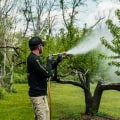
Chemical treatments can be effective for certain tree diseases, particularly those caused by fungi or bacteria.Here are some common chemical options:
- Fungicides: These are used to combat fungal infections. It's essential to apply them at the first sign of disease for maximum effectiveness.
- Bactericides: These target bacterial infections and can help in managing diseases like fire blight.
- Pesticides: In cases where insects are vectors for tree diseases, using pesticides can help control the insect population and reduce disease spread.
Organic Treatments
For those seeking more natural solutions, several organic treatments can be beneficial:- Neem Oil: This natural pesticide is effective against a variety of pests and can also help prevent fungal infections.
- Baking Soda: A mixture of baking soda and water can be sprayed on leaves to combat powdery mildew.
- Companion Planting: Planting certain species nearby can deter pests and promote overall tree health.
Preventive Measures
Prevention is often the best strategy for maintaining tree health. Here are some effective methods:- Regular Inspections: Frequently check your trees for signs of disease or pest infestations.
- Proper Watering: Ensure trees receive adequate water without overwatering, which can lead to root rot.
- Soil Health: Maintain healthy soil through mulching and organic amendments to support strong root systems.
Preventive Measures for Tree Health
Maintaining healthy trees is essential for preventing tree diseases and ensuring their longevity. Proactive care can significantly reduce the risk of infections and infestations.Here are some best practices for tree care:
- Regular Inspections: Conduct routine checks for signs of disease, such as discolored leaves, unusual growths, or insect activity. Early detection is crucial for effective tree disease treatment.
- Proper Watering: Trees require adequate moisture, especially during dry spells. However, overwatering can lead to root rot and other issues. Aim for deep watering that encourages strong root development.
- Soil Health: Healthy soil promotes healthy trees.
Test your soil to ensure it has the right pH and nutrient levels. Consider adding organic matter or mulch to improve soil structure and fertility.
- Pruning: Regular pruning helps maintain tree shape and removes dead or diseased branches. This practice improves air circulation and light penetration, reducing the likelihood of fungal infections.
- Pest Management: Monitor for pests that can weaken trees and make them more susceptible to diseases. Use integrated pest management (IPM) strategies to control infestations without harming beneficial insects.
Native trees are often more resilient to local pests and diseases. When planting new trees, consider their mature size and space them appropriately to avoid overcrowding. By implementing these preventive measures, you can significantly enhance the health of your trees and minimize the risk of tree diseases. Remember, a healthy tree is not only an asset to your landscape but also contributes positively to the ecosystem.
Frequently Asked Questions about Tree Diseases
Understanding tree diseases is crucial for maintaining the health of your trees. Here are some frequently asked questions that can help clarify common concerns:- What are the most common signs of tree diseases? Look for symptoms such as yellowing leaves, wilting, unusual growths, or bark discoloration.
These can indicate underlying health issues.
- How can I prevent tree diseases? Regular maintenance is key. Ensure proper watering, pruning, and mulching. Additionally, avoid planting trees too close together to promote good air circulation.
- What should I do if I suspect my tree is sick? First, assess the symptoms. If they persist, consult a certified arborist who can diagnose the issue and recommend appropriate tree disease treatment.
- Are all tree diseases treatable? Not all diseases can be cured, but many can be managed effectively with the right treatment.
Early detection is vital for improving outcomes.
- Can tree diseases spread to other plants? Yes, some diseases are contagious and can affect nearby trees and plants. It's important to isolate infected trees and take preventive measures.
Conclusion: Key Takeaways on Tree Diseases and Treatments
In summary, understanding the causes of tree diseases is crucial for effective tree disease treatment. Various factors contribute to the health of trees, including environmental conditions, pests, and pathogens.By recognizing these elements, tree owners can take proactive measures to prevent and manage diseases.
- Environmental Stress: Trees can suffer from diseases due to stress caused by drought, poor soil conditions, or extreme temperatures. These stresses weaken trees, making them more susceptible to infections.
- Pests: Insects such as bark beetles and aphids can introduce pathogens into trees or weaken them directly. Regular monitoring and pest management are essential for maintaining tree health.
- Fungal Infections: Many tree diseases are caused by fungi that thrive in damp conditions. Identifying symptoms early can lead to more effective treatments, such as fungicides or pruning affected areas.
- Bacterial and Viral Diseases: While less common, bacterial and viral infections can also affect trees.
Understanding the specific symptoms associated with these diseases is vital for timely intervention.