Understanding tree diseases is essential for any homeowner who values their landscape. Trees, much like humans, can fall victim to a variety of ailments that not only affect their health but can also pose a risk to neighboring plants. Recognizing the signs of tree disease early on can be the difference between saving your trees and losing them to a widespread infection. Common types of tree diseases include fungal infections, bacterial infections, and viral diseases, each presenting unique challenges and symptoms. One of the most prevalent signs of tree disease is the appearance of discolored leaves, which may turn yellow, brown, or even black depending on the specific ailment.
Other indicators include wilting branches, unusual growths such as galls or cankers, and premature leaf drop. Additionally, if you notice a sudden increase in insect activity around your trees, it could be a sign that they are stressed or diseased, making them more susceptible to pests. Understanding these symptoms is crucial for homeowners who suspect that their neighbor's trees may be harboring diseases that could spread to their own. By familiarizing yourself with the common types of tree diseases and their signs, you can take proactive measures to protect your landscape. Whether it involves consulting with an arborist or implementing preventive treatments, being informed is your best defense against potential threats.
Identifying Symptoms of Tree Disease in Neighbor's Trees
Recognizing the symptoms of tree disease in your neighbor's trees is crucial for protecting your own trees from potential threats.Early detection can make a significant difference in managing and treating tree diseases effectively.Here are some common signs your neighbor's trees are sick:
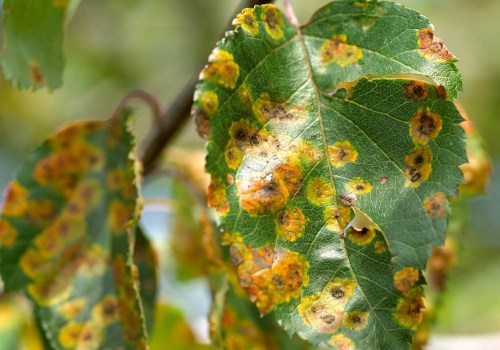
- Discoloration of Leaves: Look for yellowing, browning, or unusual spots on the leaves. These changes can indicate nutrient deficiencies or disease.
- Wilting or Dropping Leaves: If leaves are wilting or falling prematurely, it may suggest that the tree is under stress from a disease.
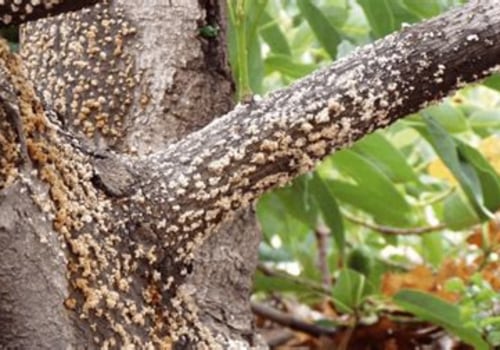
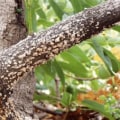
- Unusual Growths: Check for galls, cankers, or fungal growths on the bark or branches. These can be signs of serious infections.
- Dead Branches: If you notice branches that are dead or dying, it could indicate a systemic issue affecting the tree's health.
- Pest Infestations: An increase in pests such as aphids or beetles can be a sign that the tree is weakened by disease.
- Observe Changes Over Time: Monitor the trees regularly to see if symptoms worsen or new symptoms appear.
- Consult with an Arborist: If you suspect a serious issue, contacting a professional can provide insights and recommendations for treatment.
- Communicate with Your Neighbor: Discuss your observations with your neighbor. They may not be aware of the problem and could appreciate your concern.
Assessing the Risk of Disease Spread
When it comes to tree disease treatment, understanding the risk of disease spread is crucial for homeowners.Tree diseases can spread through various mechanisms, and recognizing these can help you take proactive measures to protect your own trees.
How Tree Diseases Spread
- Airborne Spores: Many tree diseases are caused by fungi that release spores into the air. These spores can travel significant distances, especially during windy conditions, potentially infecting nearby trees.
- Insects: Pests such as beetles and aphids can act as vectors for tree diseases. They may feed on an infected tree and then move to a healthy one, transferring the disease in the process.
- Soil Contamination: Some pathogens reside in the soil and can infect trees through their roots. If your neighbor's trees are diseased, the soil may harbor pathogens that could affect your trees.
- Water Movement: Rain or irrigation can carry pathogens from one tree to another, especially if the water pools around the base of infected trees.
Factors Affecting Disease Spread
- Proximity: The closer your trees are to infected ones, the higher the risk of disease transmission.
Maintaining a safe distance can help mitigate this risk.
- Tree Species: Some species are more susceptible to certain diseases than others. Knowing which species are at risk can inform your management strategies.
- Environmental Conditions: Humidity, temperature, and rainfall all play a role in disease spread. Warm, wet conditions often facilitate faster transmission of pathogens.
- Cultural Practices: Practices such as pruning, watering, and fertilization can influence tree health and susceptibility to disease. Proper care can strengthen your trees' defenses against potential threats.
Regular monitoring and consultation with a tree care professional may also be beneficial in managing risks effectively.
Steps to Take if You Suspect Tree Disease Nearby
If you suspect that your neighbor's trees may be suffering from a tree disease that could potentially spread to your own, it’s crucial to take immediate action. Here are the steps you should consider:- Assess the Situation: Begin by closely observing the trees in question. Look for signs of disease such as discolored leaves, unusual growths, or dead branches. Take note of any patterns that might indicate a specific type of tree disease.
- Document Your Findings: Take photographs and make notes about the condition of the trees.
This documentation can be helpful if you need to discuss the issue with professionals or your neighbor.
- Communicate with Your Neighbor: Approach your neighbor in a friendly manner to express your concerns. Share your observations and ask if they have noticed any issues with their trees. They may not be aware of the problem, and this conversation could prompt them to seek tree disease treatment.
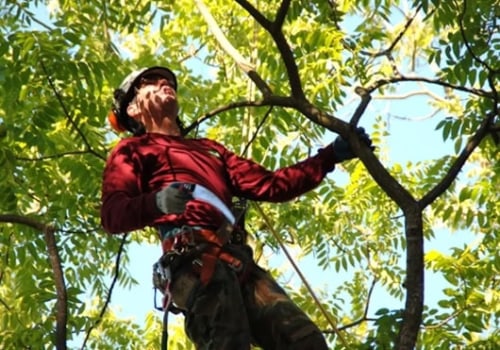
- Consult an Arborist: If the situation seems serious, consider contacting a certified arborist or tree care professional. They can provide an expert assessment of both your trees and your neighbor's trees, identifying any potential risks and recommending appropriate tree disease treatment options.
- Monitor Your Own Trees: Keep a close eye on your own trees for any signs of distress.
Regularly inspect them for symptoms of disease, such as wilting leaves or bark abnormalities. Early detection is key to preventing the spread of any potential diseases.
- Implement Preventive Measures: To protect your trees, ensure they are healthy by providing proper care, including adequate watering, mulching, and fertilization. Healthy trees are less susceptible to diseases.
Consulting with an Arborist or Tree Care Professional
If you suspect that your neighbor's trees may be suffering from a tree disease that could potentially spread to your own, it is crucial to seek the expertise of an arborist or a qualified tree care professional. These specialists are trained to identify various tree diseases and can provide you with the best course of action to protect your trees.When to Call an Arborist
- If you notice unusual symptoms such as discolored leaves, premature leaf drop, or visible fungi on the bark.
- When your neighbor's trees show signs of decline, such as stunted growth or dead branches.
- If you are unsure about the type of disease affecting the trees and need a professional diagnosis.
Benefits of Consulting an Arborist
- Accurate Diagnosis: Arborists use their expertise to accurately diagnose tree diseases, ensuring that you understand the specific threats to your trees.
- Effective Treatment Options: They can recommend appropriate treatments, whether it involves pruning, fertilization, or chemical treatments.
- Preventive Measures: An arborist can provide advice on how to prevent future diseases and maintain the health of your trees.
Finding Tree Care Professionals Near You
To find qualified tree care professionals in your area, consider the following tips:
- Search online for local arborists and read reviews from previous clients.
- Check for certifications from recognized organizations such as the International Society of Arboriculture (ISA).
- Ask for recommendations from friends or local gardening clubs.
Preventive Measures for Your Own Trees
To safeguard your trees from potential diseases that may spread from neighboring properties, implementing preventive measures is essential.Here are some effective strategies to protect your trees and maintain their health:
- Regular Inspections: Conduct routine checks on your trees for any signs of disease, such as discolored leaves, unusual growths, or wilting. Early detection is key to managing potential issues.
- Proper Pruning: Prune your trees regularly to remove dead or diseased branches. This not only improves air circulation but also reduces the risk of disease spreading.
- Maintain Soil Health: Healthy soil promotes strong tree growth. Test your soil and amend it with organic matter as needed to ensure it has the right nutrients and pH balance.
- Watering Practices: Water your trees deeply but infrequently to encourage deep root growth.
Avoid overhead watering, which can promote fungal diseases.
- Pest Management: Keep an eye out for pests that can weaken trees and make them more susceptible to disease. Use integrated pest management (IPM) techniques to control infestations without harming beneficial insects.
- Mulching: Apply a layer of organic mulch around the base of your trees. This helps retain moisture, suppress weeds, and improve soil quality while also preventing soil-borne diseases from splashing onto the tree trunk.
Frequently Asked Questions About Tree Diseases and Treatment
When it comes to tree disease treatment, many homeowners have questions about how to identify and manage potential issues.Here are some frequently asked questions that can help you navigate this concern.
- What are the signs of tree disease?Look for symptoms such as discolored leaves, unusual growths, or premature leaf drop. Additionally, check for signs of decay in the trunk or branches, which may indicate a more serious problem.
- How can I prevent tree diseases?Regular maintenance is key. Ensure your trees are properly watered, pruned, and fertilized. Avoid overcrowding and ensure good air circulation around your trees to minimize the risk of disease.
- What should I do if I suspect my neighbor's trees are diseased?If you notice signs of disease in your neighbor's trees, it’s important to communicate your concerns.
Encourage them to consult a professional arborist who can assess the situation and recommend appropriate tree disease treatment.
- Can tree diseases spread from one tree to another?Yes, many tree diseases are contagious and can spread through spores, insects, or even root systems. It’s crucial to monitor your own trees closely if you suspect nearby trees are infected.
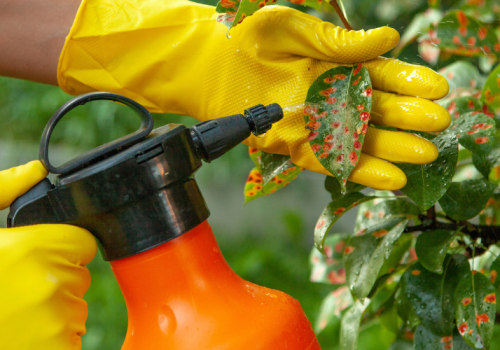
- How do I treat a sick tree?Treatment varies depending on the type of disease. Common methods include applying fungicides or insecticides, improving soil health, and ensuring proper watering practices. In severe cases, removal of affected branches or even the entire tree may be necessary.