Tree diseases are a significant concern for both amateur gardeners and professional arborists alike. These ailments can affect the health and longevity of trees, leading to unsightly appearances and, in severe cases, tree death. Understanding tree diseases is essential for effective tree disease treatment and prevention. Essentially, tree diseases are conditions that impair the normal functioning of trees, often caused by pathogens such as fungi, bacteria, and viruses, or by environmental factors. There are various types of tree diseases, each with its unique symptoms and impacts.
For instance, fungal infections like root rot can lead to significant structural damage, while bacterial blights may cause leaf discoloration and premature leaf drop. Additionally, some diseases are systemic, affecting the entire tree, while others may be localized to specific areas. Recognizing these types is crucial for timely intervention. The causes of tree diseases can be multifaceted. Environmental stressors such as drought, poor soil conditions, and extreme temperatures can weaken trees, making them more susceptible to infections.
Furthermore, human activities like improper pruning or over-fertilization can exacerbate these issues. By understanding the underlying causes of tree diseases, we can better implement preventive measures and treatments to ensure our trees remain healthy and vibrant.
Signs and Symptoms of Tree Diseases
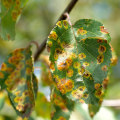
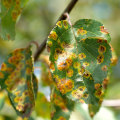
Identifying tree disease symptoms early is crucial for effective tree disease treatment. Trees can exhibit a variety of signs that indicate they may be suffering from a disease. Here are some common symptoms to watch for:- Discoloration of Leaves: Yellowing, browning, or unusual spots on leaves can signal a problem.
This discoloration may indicate nutrient deficiencies or the presence of pathogens.
- Wilting or Dropping Leaves: If leaves are wilting or falling prematurely, it could be a sign of stress due to disease or environmental factors.
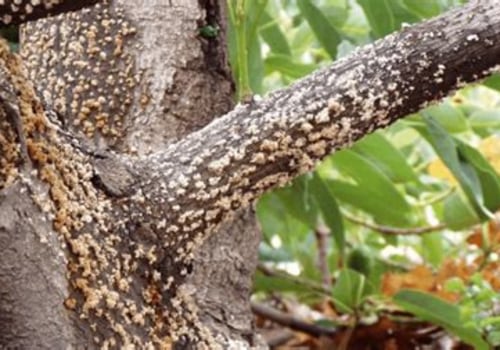
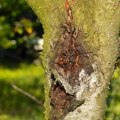
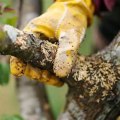
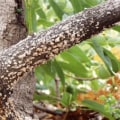
- Abnormal Growths: Look for galls, cankers, or other unusual growths on branches and trunks. These can be indicators of fungal infections or insect infestations.
- Bark Damage: Cracks, peeling, or oozing sap from the bark can suggest that the tree is under attack from pests or diseases.
- Fungal Growth: The presence of mushrooms or other fungi at the base of the tree or on its trunk is often a sign of decay and should not be ignored.
Early detection and intervention are key to maintaining healthy trees and preventing further damage.
Preventive Measures for Tree Health
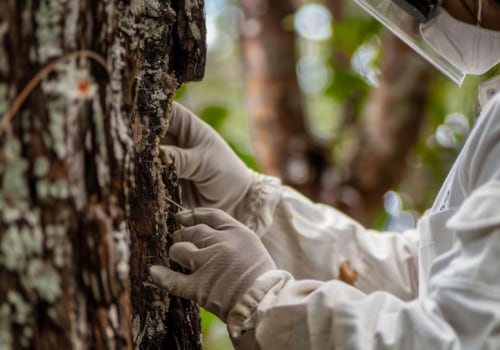
Maintaining the health of your trees is crucial in preventing tree diseases. By implementing a few proactive measures, you can significantly reduce the risk of infections and ensure your trees thrive.- Regular Inspections: Conduct routine checks on your trees for any signs of disease, such as discolored leaves, unusual growths, or insect infestations. Early detection is key to effective tree disease treatment.
- Proper Watering: Ensure your trees receive adequate water, especially during dry spells. However, avoid overwatering, as this can lead to root rot and other moisture-related diseases.
- Soil Health: Test your soil to determine its nutrient content and pH level.
Healthy soil promotes strong root systems and helps trees resist diseases. Consider adding organic matter or mulch to improve soil quality.
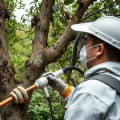
- Pruning: Regularly prune dead or diseased branches to improve air circulation and sunlight penetration. This practice not only enhances tree health but also reduces the likelihood of disease spread.
- Pest Management: Monitor for pests that can weaken trees and make them more susceptible to diseases. Use integrated pest management (IPM) strategies to control infestations without harming beneficial insects.
- Species Selection: Choose tree species that are well-suited to your local climate and soil conditions.
Native species are often more resilient to local pests and diseases.
Common Tree Disease Treatments
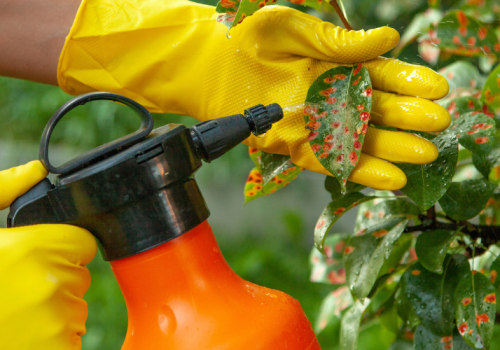
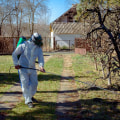
When it comes to tree disease treatment, understanding the specific type of disease affecting your tree is crucial for effective management. Here are some common treatment options that can help restore the health of your trees:- Fungicides: For fungal infections such as powdery mildew or root rot, applying a suitable fungicide can be an effective treatment. It's important to follow the manufacturer's instructions regarding dosage and application timing.
- Pesticides: In cases where insects are the primary cause of tree diseases, using targeted pesticides can help eliminate the pests.
Always choose a product that is safe for the specific tree species and the surrounding environment.
- Pruning: Removing infected branches or leaves can significantly reduce the spread of disease. This method is particularly effective for diseases like canker or leaf spot. Ensure you use sterilized tools to prevent further contamination.
- Soil Treatments: For diseases related to soil pathogens, amending the soil with organic matter or using soil drenches can improve tree health. This approach helps in enhancing soil structure and nutrient availability.
- Water Management: Overwatering or poor drainage can lead to root diseases.
Implementing proper irrigation practices and ensuring good drainage can prevent many issues before they start.
Frequently Asked Questions about Tree Disease Prevention and Treatment
When it comes to tree disease treatment, many homeowners have questions about how to effectively prevent and manage tree diseases.Here are some frequently asked questions that can help clarify these important topics.
What are the most common tree diseases?
Some of the most prevalent tree diseases include:- Powdery mildew: A fungal disease that appears as a white powdery substance on leaves.
- Root rot: Caused by various fungi, this disease affects the roots and can lead to tree decline.
- Leaf spot: This condition manifests as dark spots on leaves, often leading to premature leaf drop.
- Canker diseases: These are localized areas of dead tissue on stems or branches, often caused by fungi or bacteria.
How can I prevent tree diseases?
Preventing tree diseases involves a combination of good cultural practices and regular maintenance:- Choose resistant varieties: When planting new trees, select species that are known for their resistance to common diseases.
- Proper watering: Ensure trees receive adequate water without overwatering, which can lead to root rot.
- Regular pruning: Remove dead or diseased branches to improve air circulation and reduce disease spread.
- Mulching: Apply mulch around the base of trees to retain moisture and suppress weeds, but keep it away from the trunk to prevent rot.
What should I do if my tree is sick?
If you suspect your tree is suffering from a disease, consider the following steps:- Identify the symptoms: Look for signs such as discoloration, wilting, or unusual growth patterns.
- Consult an arborist: A professional can provide a proper diagnosis and recommend appropriate treatment options.
- Avoid DIY treatments: While some home remedies may seem appealing, they can sometimes worsen the problem.
- Implement treatment plans: Follow the advice of your arborist regarding any necessary treatments or interventions.
Conclusion: Key Takeaways on Preventing Tree Diseases
In conclusion, preventing tree diseases is a multifaceted approach that requires diligence and proactive measures. By understanding the various factors that contribute to tree health, we can implement effective tree disease treatment strategies that not only address existing issues but also mitigate future risks.- Regular Monitoring: Keeping a close eye on your trees for any signs of distress or disease is crucial. Early detection can significantly improve the chances of successful treatment.
- Proper Pruning: Regularly pruning trees helps to remove dead or diseased branches, promoting better air circulation and reducing the risk of fungal infections.
- Soil Health: Ensuring that the soil is rich in nutrients and well-drained can prevent many diseases. Conducting soil tests can help identify deficiencies that need to be addressed.
- Pest Management: Implementing integrated pest management (IPM) strategies can help control pests that may introduce or exacerbate tree diseases.
- Species Selection: Choosing disease-resistant tree species for planting can greatly reduce the likelihood of encountering severe tree diseases in the future.
Remember, while tree disease treatment is essential when problems arise, prevention is always the best strategy. Investing time and resources into maintaining tree health will yield long-term benefits, ensuring that our urban and rural landscapes remain vibrant and resilient.