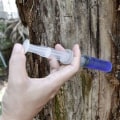
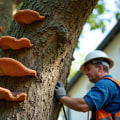
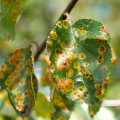
Trees are not just a vital part of our ecosystem; they also contribute significantly to our quality of life. However, like any living organism, trees are susceptible to a variety of tree diseases that can compromise their health and longevity. These diseases can arise from various factors, including environmental stressors, pests, and pathogens. Understanding the prevalence and impact of these diseases is crucial for maintaining healthy trees and, by extension, a healthy environment. The impact of tree diseases extends beyond the individual tree.
Infected trees can become a source of infection for nearby plants, leading to widespread damage in forests, parks, and urban landscapes. This not only affects biodiversity but can also have economic implications for communities that rely on healthy trees for tourism, property value, and even air quality. Therefore, addressing tree health is not merely an aesthetic concern; it is essential for ecological balance and community well-being. Recognizing the importance of tree health sets the stage for exploring effective tree disease treatments. By identifying specific diseases and understanding their symptoms, we can implement targeted strategies to combat them.
This proactive approach not only helps in preserving individual trees but also contributes to the overall resilience of our green spaces. In the following sections, we will delve into various treatments available for different types of tree diseases, equipping you with the knowledge needed to protect these invaluable resources.
Common Types of Tree Diseases
Understanding the various types of tree diseases is essential for effective tree disease treatment. Tree diseases can be broadly categorized into three main types: fungal, bacterial, and viral infections. Each type presents unique challenges and requires specific identification methods and treatments.Fungal Infections
Fungal diseases are among the most common afflictions affecting trees.They thrive in moist environments and can lead to significant damage if not addressed promptly. Some prevalent fungal diseases include:
- Powdery Mildew: Characterized by a white powdery substance on leaves, this disease can weaken trees by inhibiting photosynthesis.
- Root Rot: Often caused by overwatering or poor drainage, root rot leads to the decay of roots, ultimately resulting in tree death.
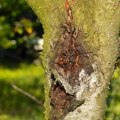
- Canker Diseases: These are localized areas of dead tissue on stems or branches, often caused by various fungi that invade through wounds.
Bacterial Infections
Bacterial diseases can also severely impact tree health. They often spread through water or insects and can cause symptoms such as wilting, leaf spots, and gumming. Common bacterial diseases include:- Bacterial Blight: This disease causes dark lesions on leaves and stems, leading to premature leaf drop.
- Crown Gall: Characterized by tumor-like growths on roots and stems, crown gall can stunt tree growth significantly.
Viral Infections
Viral infections are less common but can be devastating.They often spread through insect vectors or contaminated tools. Symptoms may include stunted growth, leaf curling, and discoloration. Some notable viral diseases are:
- Tobacco Mosaic Virus: This virus affects a variety of plants, causing mottled leaves and reduced vigor.
- Apple Mosaic Virus: Primarily affecting apple trees, this virus leads to yellowing and distortion of leaves.
Symptoms and Diagnosis of Tree Diseases
Identifying the symptoms of tree diseases is crucial for effective tree disease treatment.Trees can exhibit a variety of signs that indicate they are suffering from illness, and recognizing these symptoms early can make a significant difference in the health of the tree.
- Discoloration of Leaves: One of the first signs of tree illness is often the discoloration of leaves. Yellowing, browning, or spotting can indicate nutrient deficiencies or disease.
- Wilting or Dropping Leaves: If leaves are wilting or falling prematurely, it may suggest that the tree is under stress due to disease or environmental factors.
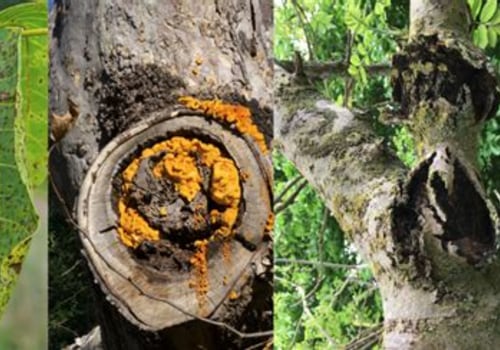
- Unusual Growths: The presence of galls, cankers, or fungal growths on the bark or leaves can signal specific diseases that require targeted treatment.
- Excessive Sap Production: Trees that are producing an unusual amount of sap may be trying to heal from an injury or may be infected with a disease.
- Dead Branches: If branches are dying back, it could indicate a systemic issue affecting the tree's health.
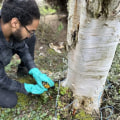
- Visual Inspection: A thorough examination of the tree's overall health, including bark condition, leaf color, and growth patterns.
- Soil Testing: Analyzing soil quality can help determine if nutrient deficiencies are contributing to the tree's symptoms.
- Laboratory Analysis: In some cases, samples may be sent to a lab for more detailed analysis to identify specific pathogens or pests.
Treatment Options for Fungal Tree Diseases
Fungal infections in trees can lead to significant health issues, but with the right tree disease treatment, you can help restore your trees to health.Here are some effective options for treating fungal tree diseases:
Chemical Fungicides
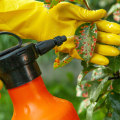
Chemical fungicides are often the first line of defense against severe fungal infections. These products are designed to target specific fungi and can be very effective when applied correctly. Here are some common types:- Systemic Fungicides: These are absorbed by the tree and provide internal protection against fungal pathogens. They are particularly useful for treating diseases like powdery mildew and root rot.
- Contact Fungicides: These work by forming a protective barrier on the surface of the tree.
They are effective for preventing fungal spores from germinating and are often used as a preventive measure.
Organic Alternatives
If you prefer a more natural approach, there are several organic treatments available that can effectively combat fungal infections:- Baking Soda Solution: A mixture of baking soda and water can help control powdery mildew. Spray this solution on affected leaves to inhibit fungal growth.
- Copper-based Fungicides: These organic fungicides can be effective against a variety of fungal diseases, including blight and leaf spot. They work by disrupting the cellular processes of fungi.
- Neem Oil: Extracted from the seeds of the neem tree, this oil has antifungal properties and can be used to treat various tree diseases while also repelling pests.
- Treat Early: The sooner you identify and treat a fungal infection, the better your chances of saving the tree.
- Follow Instructions: Always adhere to the manufacturer's instructions regarding dosage and application frequency for chemical treatments.
- Avoid Overwatering: Many fungal diseases thrive in overly moist conditions, so ensure proper drainage around your trees.
Managing Bacterial Tree Diseases
Bacterial tree diseases can pose significant threats to the health of trees, leading to symptoms such as leaf spots, wilting, and dieback.Effective bacterial tree disease treatment requires a combination of prevention strategies and targeted interventions.
Prevention Strategies
- Proper Pruning: Regularly prune trees to improve air circulation and reduce humidity around the foliage, which can help prevent bacterial infections.
- Sanitation: Remove and destroy infected plant material to minimize the spread of bacteria. This includes fallen leaves and branches that may harbor pathogens.
- Water Management: Avoid overhead watering, as wet foliage can create an environment conducive to bacterial growth. Instead, use drip irrigation to keep water at the root zone.
Chemical Treatments
If bacterial infections are detected, several chemical treatments can be employed:
- Copper-based fungicides: These are commonly used to manage bacterial blight and can be effective when applied at the first sign of infection. Follow label instructions for application rates and timing.
- Antibiotics: In some cases, antibiotics like streptomycin may be used to treat specific bacterial infections in trees.
However, their use is often regulated, so it’s essential to consult with a professional before application.
Monitoring and Follow-up
Regular monitoring of trees for signs of bacterial infections is crucial. Early detection allows for timely intervention, which can significantly improve the chances of recovery. Additionally, maintaining overall tree health through proper fertilization and care can enhance resistance to diseases.In conclusion, managing bacterial infections in trees involves a proactive approach that combines prevention with effective treatment options. By understanding these strategies, tree owners can protect their trees from the detrimental effects of bacterial diseases.
Addressing Viral Tree Diseases
Treating viral tree diseases presents unique challenges for arborists and tree care professionals.Unlike bacterial or fungal infections, viruses are not easily treatable with conventional methods. Once a tree is infected with a virus, the options for tree disease treatment become significantly limited, making prevention and management strategies crucial.One of the primary difficulties in managing viral infections in trees is that many viruses can remain dormant for extended periods, complicating early detection. Symptoms may not appear until the virus has significantly affected the tree's health, often leading to irreversible damage. Therefore, preventive measures are essential.
- Selection of Resistant Varieties: When planting new trees, choose species or cultivars known for their resistance to specific viral diseases.
- Proper Sanitation: Regularly clean tools and equipment to prevent the spread of viruses from infected to healthy trees.
- Avoiding Wounding: Minimize physical damage to trees, as wounds can serve as entry points for viral infections.
- Monitoring and Early Detection: Regularly inspect trees for signs of viral infections, such as leaf mottling or stunted growth, to catch issues early.
This includes:
- Fertilization: Providing appropriate nutrients can help bolster the tree's defenses against further stress.
- Irrigation Management: Ensuring adequate water supply can improve resilience against diseases.
- Cultural Practices: Implementing good cultural practices can enhance tree vigor and reduce susceptibility to viral infections.
Integrated Pest Management (IPM) for Tree Health
Integrated Pest Management (IPM) is a comprehensive approach to maintaining tree health that emphasizes sustainable practices and holistic care. By focusing on the entire ecosystem surrounding trees, IPM strategies aim to prevent tree diseases before they occur, rather than merely reacting to them.One of the core principles of IPM is the careful monitoring of tree health and pest populations. This involves regular inspections to identify early signs of stress or disease, allowing for timely interventions.Here are some key components of effective IPM for trees:
- Regular Monitoring: Conducting routine checks for pests, diseases, and environmental stressors helps in early detection.
- Biological Control: Utilizing natural predators or beneficial organisms can help manage pest populations without harmful chemicals.
- Cultural Practices: Implementing practices such as proper watering, mulching, and pruning can enhance tree resilience against diseases.
- Mechanical Controls: Physical barriers or traps can be employed to reduce pest access to trees.
- Targeted Chemical Use: When necessary, applying pesticides in a targeted manner minimizes environmental impact and protects beneficial organisms.
Preventive Measures to Protect Trees from Diseases
Preventing tree diseases is essential for maintaining the health and longevity of your trees.By implementing effective tree care tips and healthy maintenance practices, you can significantly reduce the risk of disease.
- Choose the Right Tree Species: Select tree species that are well-suited to your local climate and soil conditions. Native species are often more resilient to local pests and diseases.
- Proper Planting Techniques: Ensure that trees are planted at the correct depth and in well-draining soil. Avoid planting too close to other trees or structures, which can lead to competition for resources.
- Regular Watering: Trees need adequate moisture, especially during dry spells. However, overwatering can lead to root rot.
Aim for deep watering sessions that encourage strong root development.
- Mulching: Apply a layer of organic mulch around the base of the tree. This helps retain moisture, suppress weeds, and regulate soil temperature, all of which contribute to a healthier tree.
- Pruning: Regularly prune your trees to remove dead or diseased branches. This not only improves air circulation but also helps prevent the spread of diseases.
- Pest Management: Monitor your trees for signs of pests. Early detection is key; use organic pest control methods whenever possible to minimize harm to beneficial insects.
- Fertilization: Use a balanced fertilizer to provide essential nutrients.
However, avoid over-fertilizing, as this can lead to excessive growth that makes trees more susceptible to disease.
Frequently Asked Questions about Tree Disease Treatment
When it comes to tree disease treatment, many homeowners and tree enthusiasts have questions about how to effectively manage and treat various tree ailments. Here are some frequently asked questions that can help clarify common concerns:What are the signs of tree diseases?
Identifying tree diseases early is crucial for effective treatment. Common signs include:- Discoloration of leaves or bark
- Wilting or drooping branches
- Unusual growths, such as galls or cankers
- Fungal growth on the trunk or soil
- Leaf drop or premature shedding
How can I treat a tree disease?
Treatment options vary depending on the type of disease affecting your tree. Here are some general approaches:- Cultural practices: Improve soil health, ensure proper watering, and maintain good air circulation around the tree.
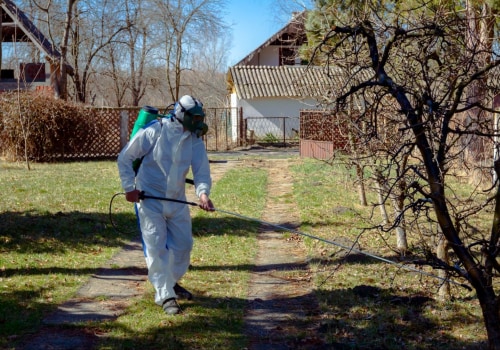
- Pesticides and fungicides: Use chemical treatments specifically designed for the type of pathogen affecting your tree.
Always follow label instructions.
- Pruning: Remove infected branches to prevent the spread of disease.
- Soil amendments: Enhance soil quality with organic matter to promote healthy root systems.
When should I consult a professional?
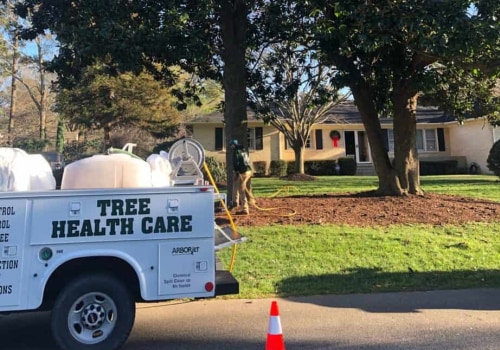
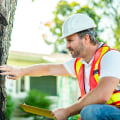
If you notice severe symptoms or if the disease is spreading rapidly, it’s advisable to consult a certified arborist. They can provide expert diagnosis and recommend tailored tree disease treatment options.Can tree diseases be prevented?
Yes, prevention is key in maintaining tree health. Consider these preventive measures:- Selecting resistant species: Choose tree varieties that are less susceptible to common diseases in your area.
- Regular maintenance: Keep trees healthy through proper watering, mulching, and fertilization.
- Avoiding injury: Protect trees from physical damage and stress, which can make them more vulnerable to diseases.
Conclusion: Ensuring the Health of Your Trees
In conclusion, understanding tree disease treatment is crucial for maintaining the vitality and longevity of your trees. Throughout this article, we have explored various types of tree diseases, their symptoms, and the specific treatments available for each.Timely diagnosis is essential; the sooner a disease is identified, the more effective the treatment can be. Regular monitoring of your trees can help catch early signs of distress. Look for changes in leaf color, unusual growth patterns, or signs of pests. If you notice any of these symptoms, it’s important to consult with a certified arborist who can provide a professional assessment and recommend appropriate tree disease treatments.Here are some key takeaways to ensure the health of your trees:
- Early Detection: Regularly inspect your trees for any signs of disease.
- Proper Treatment: Use the right treatment methods based on the specific type of disease.
- Preventive Care: Implement good cultural practices such as proper watering, mulching, and pruning to strengthen tree health.
- Consult Professionals: When in doubt, seek advice from tree care experts to ensure effective management.
Investing time and resources into tree disease treatment will pay off in the long run, ensuring that your trees thrive for generations to come.