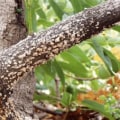
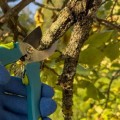
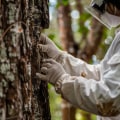
Understanding tree diseases is essential for any tree owner or enthusiast looking to maintain the health and vitality of their trees. Trees, much like any living organism, are susceptible to a variety of ailments that can significantly impact their growth and longevity. These diseases can stem from various sources, including fungi, bacteria, viruses, and environmental stressors. Recognizing the symptoms of these diseases early on can make a substantial difference in the effectiveness of tree disease treatment.There are several common types of tree diseases that affect different species.
For instance, root rot, often caused by overwatering or poor drainage, can lead to wilting and yellowing leaves. Similarly, powdery mildew presents as a white powdery substance on leaves and can hinder photosynthesis. Other notable diseases include canker diseases, which create sunken areas on the bark, and leaf spot diseases, characterized by dark spots on foliage. Each of these conditions not only affects the aesthetic appeal of trees but also their overall health. By familiarizing yourself with these common tree diseases and their symptoms, you can take proactive measures to prevent them from taking hold.
Regular inspections and proper care practices are vital in ensuring your trees remain robust and resilient against potential threats. In the following sections, we will delve deeper into specific treatment options and preventive strategies that can help safeguard your trees from these harmful conditions.
Signs of Tree Disease
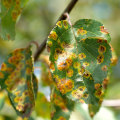
Identifying the signs of tree disease early can make a significant difference in the health and longevity of your trees. Trees, like any living organism, exhibit various symptoms when they are unwell. Here are some common indicators to watch for:- Discoloration of Leaves: One of the first signs of trouble is often seen in the leaves.
Yellowing, browning, or unusual spots can indicate nutrient deficiencies or disease.
- Wilting or Dropping Leaves: If your tree's leaves are wilting or falling prematurely, it may be a sign of stress due to disease or environmental factors.
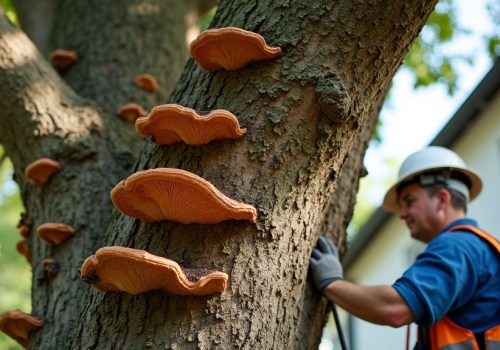
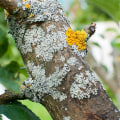
- Abnormal Growths: Look for unusual growths such as galls, cankers, or fungal fruiting bodies on the bark or leaves. These can be signs of specific diseases affecting your tree.
- Bark Damage: Cracks, peeling, or oozing sap from the bark can indicate serious issues. This damage may be a result of pests or diseases that compromise the tree's integrity.
- Pest Infestation: The presence of insects such as aphids, borers, or scale can signal that your tree is under stress and may be more susceptible to diseases.
- Stunted Growth: If your tree is not growing as expected during the growing season, it may be suffering from a disease that affects its ability to thrive.
- Foul Odors: A foul smell emanating from the base of the tree can indicate rot or decay, often linked to root diseases.
Preventive Measures for Tree Health
Maintaining the health of your trees is essential for preventing tree diseases and ensuring their longevity.Here are some effective tree health tips that can help you keep your trees strong and resilient against potential threats.
- Watering: Proper watering is crucial for tree health. Ensure that your trees receive adequate moisture, especially during dry spells. Deep watering encourages roots to grow deeper, making them more resilient. Aim for about 1 inch of water per week, adjusting based on rainfall.
- Mulching: Applying a layer of organic mulch around the base of your trees helps retain soil moisture, suppress weeds, and regulate soil temperature.
Use materials like wood chips or shredded bark, but keep the mulch a few inches away from the trunk to prevent rot.
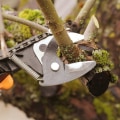
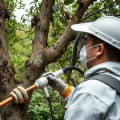
- Pruning: Regular pruning is vital for maintaining healthy trees. Remove dead or diseased branches to improve air circulation and sunlight penetration. This practice not only enhances the tree's appearance but also reduces the risk of disease spread.
- Soil Management: Healthy soil is the foundation of strong trees. Conduct a soil test to determine nutrient levels and pH balance.
Amend the soil as needed with organic matter or fertilizers to promote healthy growth.
- Pest Control: Monitor your trees for signs of pests or disease. Early detection is key to effective treatment. Use integrated pest management (IPM) strategies that include natural predators and organic treatments to minimize chemical use.
Common Tree Disease Treatments
When it comes to tree disease treatment, understanding the various options available can significantly enhance the health of your trees.Here are some common treatments that can be employed to combat tree diseases:
- Chemical Treatments: These are often the first line of defense against severe infestations or infections. Fungicides and insecticides can be effective in treating specific diseases. For instance, systemic fungicides are absorbed by the tree and can help combat fungal infections from within.
- Organic Solutions: Many tree owners prefer organic treatments due to environmental concerns. Options such as neem oil, garlic spray, and baking soda solutions can be effective against certain pests and diseases.
These treatments are generally safer for beneficial insects and the surrounding ecosystem.
- Pruning: Regularly pruning your trees can help remove infected branches and improve air circulation, which is crucial in preventing the spread of disease. Make sure to use sterilized tools to avoid transferring pathogens.
- Soil Management: Healthy soil promotes strong trees. Implementing practices such as mulching, proper watering, and fertilization can strengthen your trees' immune systems, making them less susceptible to diseases.
- Monitoring and Early Detection: Regularly inspecting your trees for signs of disease is vital. Early detection allows for timely intervention, which can often prevent more severe issues down the line.
Certified arborists have the expertise to diagnose tree diseases accurately and recommend appropriate treatments tailored to your specific situation.In conclusion, a combination of chemical treatments, organic solutions, and good tree care practices can effectively manage tree diseases. By staying proactive and informed, you can help ensure the longevity and health of your trees.
The Role of Soil Health in Tree Disease Prevention
Maintaining soil health is crucial for preventing tree diseases and ensuring robust tree growth. Healthy soil provides essential nutrients, improves water retention, and fosters beneficial microbial activity, all of which contribute to a tree's overall vitality.To enhance soil conditions for your trees, consider the following strategies:- Regular Soil Testing: Conduct soil tests to determine pH levels and nutrient content. This information helps you understand what amendments may be necessary to create an optimal environment for your trees.
- Organic Matter Addition: Incorporate organic materials such as compost or well-rotted manure into the soil.
This practice not only enriches the soil with nutrients but also improves its structure and drainage.
- Avoid Compaction: Limit foot traffic and heavy equipment around tree roots to prevent soil compaction, which can restrict root growth and water absorption.
- Diverse Planting: Plant a variety of species in your landscape. Biodiversity can enhance soil health by promoting a wider range of microbial life and reducing the risk of disease spread.
- Mulching: Apply a layer of organic mulch around the base of trees. Mulch helps retain moisture, suppress weeds, and gradually adds nutrients back into the soil as it decomposes.
Frequently Asked Questions about Tree Disease Treatment
When it comes to tree disease treatment, many homeowners have questions about how to best care for their trees and prevent potential issues.Here are some frequently asked questions that can help clarify common concerns:
What are the signs of tree disease?
Identifying tree diseases early is crucial for effective treatment. Look for the following signs:- Discoloration of leaves or bark
- Wilting or drooping branches
- Unusual growths, such as galls or cankers
- Fungal growth on the trunk or soil
- Excessive leaf drop or premature autumn colors
How can I prevent tree diseases?
Prevention is often the best strategy when it comes to maintaining tree health. Here are some effective methods:- Regular inspections: Check your trees frequently for any signs of distress.
- Proper watering: Ensure your trees receive adequate moisture, especially during dry spells.
- Mulching: Apply mulch around the base to retain moisture and suppress weeds.
- Pruning: Remove dead or diseased branches to improve air circulation and reduce disease spread.
- Pest control: Monitor for pests that can weaken trees and lead to disease.
When should I seek professional help?
If you notice severe symptoms or if the tree's health is rapidly declining, it may be time to consult a professional arborist. They can provide a thorough diagnosis and recommend appropriate disease treatment options.Understanding these key aspects of tree care can significantly enhance your ability to maintain healthy trees and prevent diseases.By staying informed and proactive, you can ensure your trees thrive for years to come.
Conclusion: Key Takeaways for Stronger Trees
In conclusion, maintaining the health of your trees is a multifaceted approach that requires attention and proactive measures. By understanding the various aspects of tree disease treatment, you can significantly enhance the resilience of your trees against potential threats. Here are some key takeaways to consider:- Regular Inspections: Conduct routine checks for signs of disease or pest infestations. Early detection is crucial for effective tree disease treatment.
- Proper Pruning: Remove dead or diseased branches to improve air circulation and reduce the risk of infection.
- Nutrient Management: Ensure your trees receive adequate nutrients through proper fertilization. Healthy trees are less susceptible to diseases.
- Watering Practices: Implement appropriate watering techniques.
Overwatering or underwatering can stress trees, making them more vulnerable to diseases.
- Pest Control: Use integrated pest management strategies to keep harmful insects at bay without harming beneficial species.
- Soil Health: Maintain healthy soil conditions by adding organic matter and ensuring proper drainage, which supports strong root systems.