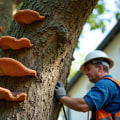
Trees, much like humans, are susceptible to a variety of diseases that can significantly impact their health and longevity. Understanding the nature of these tree diseases is crucial for any tree owner or enthusiast. From fungal infections to bacterial blights, the prevalence of tree diseases can vary widely depending on environmental conditions, tree species, and overall care practices. As trees play a vital role in our ecosystem—providing oxygen, improving air quality, and offering habitat for wildlife—recognizing the signs of disease early can make a substantial difference in their recovery. The impact of tree disease extends beyond the individual tree; it can affect entire landscapes and ecosystems.
Infected trees may exhibit symptoms such as wilting leaves, discolored bark, or stunted growth, which not only diminishes their aesthetic value but also compromises their structural integrity. This decline can lead to increased vulnerability to pests and other environmental stressors, creating a cascading effect that threatens the health of surrounding flora. Understanding the timeline for recovery from tree diseases is essential for effective tree disease treatment. Different diseases have varying recovery periods influenced by factors such as the type of disease, the tree species affected, and the treatment methods employed. By gaining insight into these timelines, tree caretakers can implement timely interventions that promote healing and restore vitality to their trees.
Common Types of Tree Diseases
Understanding the common types of tree diseases is crucial for effective tree disease treatment.Each disease presents unique symptoms and challenges, making early identification essential for recovery.
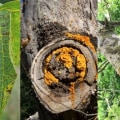
Fungal Diseases
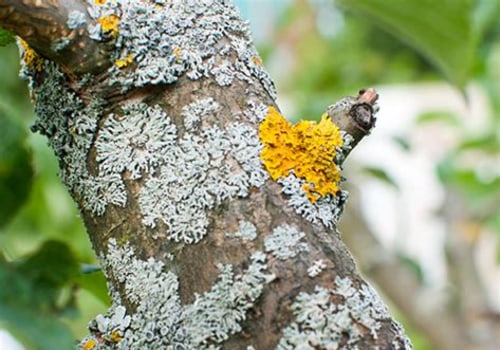
Fungal infections are among the most prevalent tree diseases. They often manifest as:- Leaf spots: Dark, water-soaked areas on leaves.
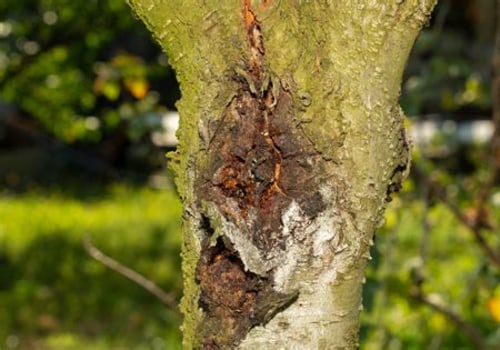
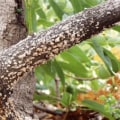
- Cankers: Sunken, dead areas on branches or trunks.
- Root rot: Decay of roots leading to wilting and yellowing leaves.
Bacterial Diseases
Bacterial infections can also severely affect trees. Symptoms may include:- Bacterial blight: Dark streaks on leaves and stems.
- Crown gall: Tumor-like growths on roots and stems.
Viral Diseases
Viral infections are less common but can be devastating. Symptoms often include:- Mosaic patterns: Distinctive light and dark green patches on leaves.
- Dwarfing: Stunted growth in affected trees.
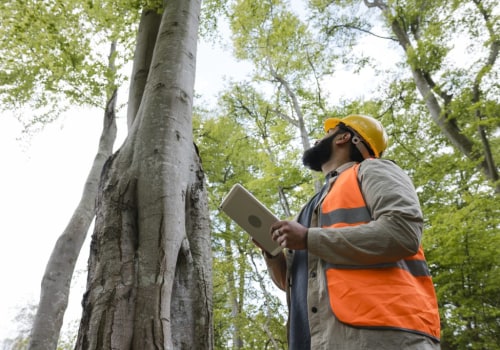
Regular monitoring of tree health, including checking for unusual growth patterns or discoloration, is essential for maintaining healthy trees.
Factors Influencing Recovery Time from Tree Diseases
Understanding the recovery time for trees affected by diseases is crucial for effective tree disease treatment. Several factors can significantly influence how quickly a tree can bounce back from illness.Species of the Tree
The species of the tree plays a vital role in its recovery. Some species are naturally more resilient to diseases than others. For instance, hardwoods like oak and maple may have different recovery rates compared to softer woods like pine.Additionally, certain species have evolved specific defenses against particular pathogens, which can expedite their healing process.
Age of the Tree
The age of a tree is another critical factor. Younger trees often recover more quickly than older ones due to their vigorous growth rates and ability to adapt. In contrast, older trees may have a slower recovery due to reduced vitality and accumulated stress over the years.Environmental Conditions
Environmental factors such as soil quality, moisture levels, and sunlight exposure also play a significant role in recovery time. Trees planted in nutrient-rich soil with adequate water supply are more likely to recover faster than those in poor conditions.Furthermore, trees that receive sufficient sunlight can photosynthesize more effectively, aiding in their recovery.
Overall Health and Stress Factors
The overall health of the tree prior to infection is crucial. Trees that are already stressed due to drought, poor soil conditions, or pest infestations may take longer to recover from disease. A healthy tree with a robust root system and good foliage will generally have a better chance of overcoming disease challenges. In summary, the recovery time for trees affected by diseases varies widely based on species, age, environmental conditions, and overall health. Understanding these factors can help in planning effective tree disease treatment strategies and ensuring the long-term health of your trees.Tree Disease Treatment Options
When it comes to tree disease treatment, there are several effective options available to help restore the health of affected trees.Understanding these methods can empower tree owners to make informed decisions about the best course of action.
Chemical Treatments
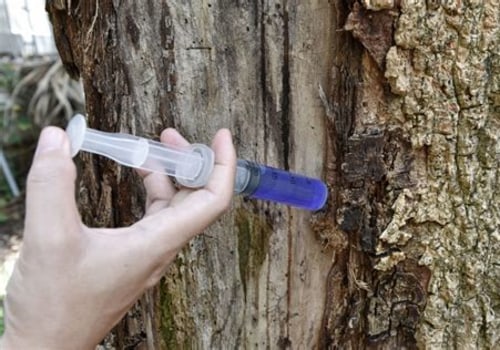
Chemical treatments are often the first line of defense against severe tree diseases. These treatments can include:- Pesticides: Used to combat insect infestations that may be contributing to tree diseases.
- Fungicides: Effective against fungal infections, these chemicals can help eliminate pathogens that threaten tree health.
- Herbicides: Sometimes necessary to control competing vegetation that may stress the tree.
Organic Solutions
For those seeking more natural alternatives, organic solutions can be effective in managing tree diseases. Some popular organic treatments include:- Neem oil: A natural pesticide that can deter pests and reduce fungal growth.
- Baking soda: Often used as a fungicide, it can help prevent the spread of certain fungal diseases.
- Compost tea: Rich in beneficial microorganisms, it can boost a tree's immune system and promote recovery.
Cultural Practices
Cultural practices play a vital role in tree disease treatment. Implementing good care techniques can prevent diseases from taking hold in the first place.Key practices include:
- Proper watering: Ensuring trees receive adequate moisture without overwatering is essential for their health.
- Pruning: Regularly removing dead or diseased branches helps improve air circulation and reduces disease spread.
- Soil management: Maintaining healthy soil through mulching and fertilization supports overall tree vigor.
Signs of Recovery in Trees After Treatment
Recognizing the signs of recovery in trees after treatment for disease is crucial for ensuring their long-term health. After implementing a tree disease treatment plan, monitoring specific indicators can help you determine if your tree is on the path to recovery.- New Growth: One of the most positive signs is the emergence of new leaves, buds, or shoots. Healthy trees will begin to produce new growth as they recover from stress.
- Improved Leaf Color: A change in leaf color from yellow or brown to a vibrant green can indicate that the tree is regaining its strength and vitality.
- Increased Bark Integrity: Check for any signs of peeling or damaged bark. As the tree heals, you may notice that the bark appears more intact and less prone to flaking.
- Root Health: Healthy roots are essential for recovery.
If possible, monitor the root zone for signs of new root growth or improved soil conditions.
- Pest Activity: A decrease in pest infestations can be a good sign that the tree is recovering and becoming more resilient.
- Fungal Growth: While some fungi are beneficial, excessive fungal growth can indicate ongoing issues. A reduction in harmful fungi may suggest recovery.
It may take time for all signs of recovery to manifest fully, so continue to provide care and support through proper watering, mulching, and fertilization as needed. By keeping a close eye on these indicators, you can ensure that your tree not only survives but thrives after undergoing treatment for disease.
Case Studies: Recovery Timelines for Different Tree Species
Understanding the recovery timelines for different tree species affected by diseases can provide valuable insights into tree disease treatment effectiveness. Here are some case studies that illustrate how various tree species respond to treatment.1.Oak Trees
In a study conducted in the Midwest, oak trees suffering from oak wilt showed significant recovery after treatment with fungicides and proper pruning. The average recovery time was approximately 2 to 3 years.Trees that received early intervention exhibited healthier foliage and improved growth rates compared to untreated trees.
2.Pine Trees
Pine trees infected with pine beetle infestations often require a multi-faceted approach for recovery. In one case, a forest management program implemented insecticides and cultural practices, leading to a recovery period of about 3 to 5 years. The treated pines not only regained their vigor but also showed increased resistance to future infestations.3.Maple Trees
A case study on sugar maples affected by verticillium wilt revealed that trees treated with soil amendments and proper irrigation took around 1 to 2 years to show signs of recovery. The trees that received consistent care demonstrated improved leaf color and overall health, indicating successful treatment.4.Cherry Trees
Cherry trees impacted by bacterial canker often face a longer recovery timeline.In one instance, a combination of pruning infected branches and applying bactericides resulted in a recovery period of approximately 4 years. Regular monitoring and care were essential in ensuring the trees returned to their former health.These case studies highlight the importance of timely and appropriate tree disease treatment. Recovery times can vary significantly based on the species, the type of disease, and the treatment methods employed. Understanding these factors can help tree owners make informed decisions about managing tree health.
Frequently Asked Questions About Tree Disease Recovery
When it comes to tree disease treatment, many homeowners have questions about the recovery process.Understanding these aspects can help you manage expectations and take appropriate actions for your trees.
How long does it typically take for a tree to recover from disease?
The recovery time for a tree affected by disease can vary significantly based on several factors, including the type of disease, the tree species, and the overall health of the tree prior to infection. Generally, you can expect:- Minor diseases: Trees may show signs of recovery within a few weeks to a couple of months after treatment.
- Moderate diseases: Recovery might take several months to a year, depending on the effectiveness of the treatment and environmental conditions.
- Severe diseases: In cases where the tree has suffered extensive damage, recovery can take several years, and in some instances, the tree may not fully recover.
What factors influence recovery time?
Several factors can impact how quickly a tree recovers from disease:- Tree species: Some species are more resilient than others and may recover faster.
- Age and size: Younger trees often recover more quickly than older, larger trees.
- Environmental conditions: Adequate sunlight, water, and soil quality play crucial roles in recovery.
- Treatment methods: The effectiveness of the chosen treatment can significantly affect recovery time.
What should I do while waiting for my tree to recover?
While your tree is recovering from disease, consider the following tips:- Monitor health: Keep an eye on your tree for any signs of further decline or new symptoms.
- Avoid stress: Minimize any additional stressors such as over-pruning or excessive fertilization.
- Provide care: Ensure your tree receives adequate water and nutrients during its recovery phase.
Conclusion: Key Takeaways on Tree Disease Recovery
In summary, the recovery of a tree from disease is a multifaceted process that hinges on several critical factors. Understanding these elements can significantly enhance the chances of successful recovery and longevity of your trees.- Timely Treatment: The sooner you identify and treat a tree disease, the better the chances for recovery. Early intervention can prevent the spread of the disease and minimize damage.
- Type of Disease: Different diseases affect trees in various ways.
Some may require extensive treatment, while others might resolve with minimal intervention. Knowing the specific disease is crucial for effective tree disease treatment.
- Tree Species: The species of the tree plays a significant role in its recovery. Some species are more resilient to diseases than others, which can influence recovery time.
- Environmental Conditions: Factors such as soil quality, moisture levels, and overall climate can impact a tree's ability to recover. Ensuring optimal conditions can aid in faster healing.
- Ongoing Monitoring: Regularly checking the health of your trees post-treatment is essential.
This allows for early detection of any recurring issues and ensures that the treatment remains effective.