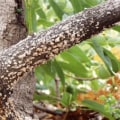
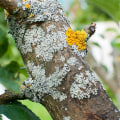
Trees are vital components of our ecosystem, providing not only beauty and shade but also essential benefits such as air purification, carbon sequestration, and habitat for wildlife. However, just like any living organism, trees are susceptible to a variety of tree diseases that can significantly impact their health and longevity. Understanding these diseases is crucial for maintaining the vitality of our green companions and ensuring they continue to thrive in our landscapes. Tree diseases can manifest in numerous ways, often leading to visible symptoms that indicate underlying issues. These symptoms may include discolored leaves, unusual growth patterns, or even the presence of fungi on the bark.
Recognizing these signs early is essential for effective tree disease treatment, as timely intervention can prevent further damage and restore tree health. Moreover, the importance of proper tree care cannot be overstated; regular monitoring and maintenance can help mitigate the risks associated with tree diseases. In this article, we will delve deeper into the various symptoms of tree diseases, exploring how they affect tree health and what steps can be taken to treat them effectively. By equipping ourselves with knowledge about these ailments, we can better protect our trees and contribute to a healthier environment for future generations.
Common Symptoms of Tree Diseases
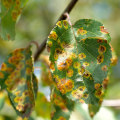
Identifying tree disease symptoms early is essential for effective treatment and maintaining the health of your trees. Various signs can indicate that a tree is suffering from an illness, and recognizing these symptoms can help you take timely action.- Leaf Discoloration: One of the most common symptoms of tree diseases is leaf discoloration.
Leaves may turn yellow, brown, or exhibit unusual spots. This can indicate nutrient deficiencies or fungal infections.
- Wilting: If the leaves or branches of a tree appear droopy or wilted, it may be a sign of stress due to disease or environmental factors. Wilting can also suggest issues with root health.
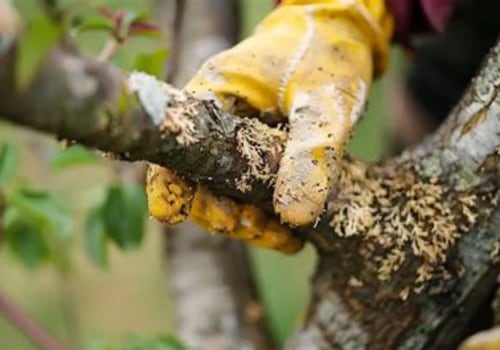
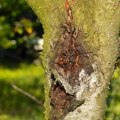
- Bark Abnormalities: Look for cracks, peeling, or oozing sap on the bark. These abnormalities can signal serious conditions such as cankers or insect infestations.
- Stunted Growth: Trees that are not growing as expected may be suffering from a disease.
Stunted growth can be a result of root problems or systemic infections.
- Fungal Growth: The presence of mushrooms or other fungi at the base of a tree can indicate decay and root rot. This is often a sign that the tree is compromised and may require immediate attention.
- Premature Leaf Drop: If leaves are falling off earlier than usual, it could be a symptom of stress caused by disease. This premature drop can weaken the tree significantly.
If you notice any of these symptoms, consider consulting with an arborist to determine the best course of action for your trees.
Types of Tree Diseases
Understanding the types of tree diseases is crucial for effective tree disease treatment. Tree diseases can be broadly categorized into three main types: fungal infections, bacterial diseases, and viral infections. Each type presents unique symptoms and challenges.Fungal Infections in Trees
Fungal infections are among the most common tree diseases. They often manifest through:- Leaf spots: Dark or discolored patches on leaves, which may lead to premature leaf drop.
- Cankers: Sunken areas on the bark that can girdle branches and trunks, leading to dieback.
- Mushrooms or fruiting bodies: Visible growths at the base of the tree or on decaying wood, indicating internal decay.
Bacterial Diseases in Trees
Bacterial diseases can be equally damaging and often result in:- Galls: Abnormal growths on leaves, stems, or roots caused by bacterial infection.
- Wilting: Sudden drooping of leaves and branches, often accompanied by discoloration.
- Bacterial ooze: A sticky substance that may exude from infected areas, particularly during warm weather.
Viral Infections in Trees
While less common than fungal and bacterial diseases, viral infections can severely impact tree health.Symptoms may include:
- Mosaic patterns: Irregular light and dark green patterns on leaves.
- Dwarfing: Stunted growth of the tree, affecting overall vigor.
- Leaf curl: Distorted leaf shapes that can hinder photosynthesis.
Diagnosing Tree Diseases
Diagnosing tree diseases is a critical step in ensuring the health and longevity of your trees.Visual inspections
are often the first line of defense in identifying potential issues. Start by examining the tree's leaves, bark, and overall structure for any unusual signs.- Leaf discoloration: Yellowing, browning, or spots on leaves can indicate various diseases or nutrient deficiencies.
- Bark abnormalities: Cracks, peeling, or oozing sap may suggest infections or infestations.
- Wilting or stunted growth: Trees that are not thriving may be suffering from root rot or other underlying issues.
Factors such as soil quality, moisture levels, and nearby plant health can all contribute to a tree's condition. If you notice multiple symptoms or if the tree's health is rapidly declining, it may be time to seek professional tree diagnosis.A certified arborist can provide a thorough assessment and identify specific diseases affecting your tree. They utilize advanced diagnostic tools and techniques that go beyond simple visual inspections. This expertise is invaluable for determining the appropriate tree disease treatment.In summary, recognizing the signs of sick trees involves careful observation and consideration of environmental factors.
When in doubt, consulting with a professional can save time and resources while ensuring your trees receive the best possible care.
Tree Disease Treatment Options
Treating tree diseases effectively requires a thorough understanding of the specific ailment affecting the tree. Here are some common tree disease treatment options that can help restore the health of your trees:Chemical Treatments
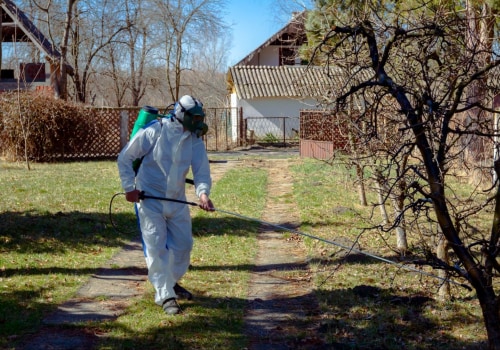
Chemical treatments are often necessary for severe infections. These may include:- Pesticides: Used to combat insect infestations that can lead to disease.
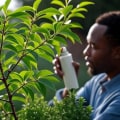
- Fungicides: Effective against fungal infections, these can be applied as sprays or soil drenches.
- Bactericides: Target bacterial infections and are crucial for diseases like fire blight.
Organic Solutions
If you prefer a more natural approach, there are several organic remedies available:- Neem oil: A natural pesticide that can deter pests and prevent fungal growth.
- Baking soda: A simple solution that can help control powdery mildew when mixed with water and applied as a spray.
- Companion planting: Introducing certain plants that repel pests or attract beneficial insects can help maintain tree health.
Cultural Practices
Cultural practices play a vital role in preventing and managing tree diseases.Consider the following:
- Proper watering: Ensure trees receive adequate moisture without overwatering, which can lead to root rot.
- Aeration: Improve soil health by aerating compacted soil to enhance root growth and nutrient absorption.
- Pruning: Regularly remove dead or diseased branches to improve air circulation and reduce disease spread.
Preventing Tree Diseases
Preventing tree diseases is essential for maintaining the health and longevity of your trees. By implementing effective tree care tips, you can significantly reduce the risk of disease outbreaks and ensure your trees thrive.One of the most important aspects of healthy tree maintenance is proper watering. Trees require adequate moisture, especially during dry spells.However, overwatering can lead to root rot and other fungal diseases. Aim to water deeply but infrequently, allowing the soil to dry out between watering sessions.Another critical factor is soil health. Healthy soil promotes strong root systems, which are vital for tree resilience. Consider conducting a soil test to determine nutrient levels and pH balance.
Based on the results, you may need to amend the soil with organic matter or fertilizers to support optimal growth.
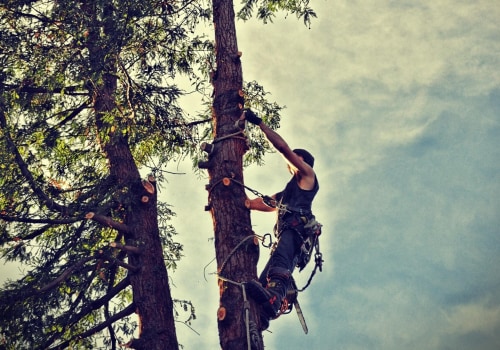
- Pruning: Regularly prune your trees to remove dead or diseased branches. This not only improves air circulation but also helps prevent the spread of pathogens.
- Pest Management: Monitor your trees for signs of pests, as they can introduce diseases. Use integrated pest management (IPM) strategies to control infestations without harming beneficial insects.
- Mulching: Apply a layer of mulch around the base of your trees. This helps retain moisture, suppress weeds, and regulate soil temperature, creating a healthier environment for roots.
Some species are more susceptible to certain diseases than others. Researching and selecting disease-resistant varieties can save you time and resources in the long run.Finally, consider consulting with a certified arborist for professional advice tailored to your specific situation. They can provide insights into tree disease treatment options and preventive measures that are best suited for your local environment.
Frequently Asked Questions about Tree Diseases
Understanding tree diseases is crucial for maintaining the health of your trees. Here are some frequently asked questions regarding tree diseases and their treatment:- What are the common symptoms of tree diseases? Symptoms can vary widely, but common signs include yellowing leaves, wilting, stunted growth, and unusual spots or lesions on leaves and bark.
If you notice any of these symptoms, it may indicate a tree disease that requires attention.
- How can I identify a specific tree disease? Identifying a tree disease often requires careful observation. Look for patterns in the symptoms and consider factors such as the type of tree, its environment, and any recent changes in care. Consulting with a certified arborist can provide a definitive diagnosis.
- What are the best treatments for tree diseases? Treatment options depend on the specific disease affecting your tree. Common treatments include:
- Pesticides: For insect-related diseases, applying appropriate pesticides can help control infestations.
- Fungicides: If a fungal infection is present, fungicides may be necessary to manage the spread.
- Pruning: Removing infected branches can prevent further spread and promote healthier growth.
- Can tree diseases be prevented? Yes, many tree diseases can be prevented through proper care.
Regularly inspect your trees for signs of distress, ensure they receive adequate water and nutrients, and maintain proper spacing to promote air circulation.
- When should I seek professional help? If you notice severe symptoms or if the health of your tree is rapidly declining, it’s best to consult a professional arborist. They can provide expert advice on diagnosis and treatment options tailored to your specific situation.
Conclusion: Key Takeaways on Tree Disease Symptoms and Treatment
In summary, recognizing the symptoms of tree diseases is crucial for maintaining the health and longevity of your trees. Early detection can significantly improve the chances of successful tree disease treatment. Here are the key takeaways:- Visible Symptoms: Look for signs such as discolored leaves, wilting, and unusual growth patterns.
These can indicate underlying issues that require immediate attention.
- Physical Changes: Bark abnormalities, such as cracks or oozing sap, can signal serious problems. Regularly inspect your trees for these changes.
- Pest Infestation: Many tree diseases are exacerbated by pests. If you notice an increase in insect activity, it may be a sign that your tree is already compromised.
- Environmental Factors: Stress from drought, poor soil conditions, or extreme weather can make trees more susceptible to diseases. Ensure your trees are planted in suitable conditions.
Additionally, consulting with a certified arborist can provide valuable insights into specific treatments tailored to your tree's needs. Ultimately, being proactive about tree health not only enhances the beauty of your landscape but also contributes to a healthier ecosystem. By understanding the symptoms and taking appropriate action, you can ensure that your trees thrive for years to come.