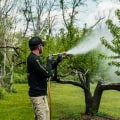
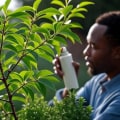
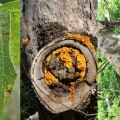
Understanding tree diseases is essential for any property owner or gardening enthusiast. Trees, much like humans, can fall victim to a variety of ailments that can compromise their health and longevity. Common tree diseases include fungal infections, bacterial issues, and viral infections, each presenting unique challenges. For instance, oak wilt is a devastating fungal disease that affects oak trees, while fire blight can severely impact apple and pear trees.
Recognizing these diseases early can make a significant difference in the effectiveness of tree disease treatment.One of the most critical aspects of managing tree health is being able to identify the signs of tree disease. Symptoms can vary widely depending on the type of disease but often include discolored leaves, unusual growth patterns, and premature leaf drop. In some cases, you may notice oozing sap or the presence of fungi on the bark. Regular inspections are vital; they allow you to catch these symptoms early and take appropriate action before the disease spreads or causes irreversible damage. By familiarizing yourself with the common signs of tree diseases and understanding their implications, you empower yourself to maintain a healthy landscape.
This proactive approach not only enhances the aesthetic appeal of your property but also contributes to the overall ecosystem's health. Remember, a well-cared-for tree is not just a beautiful addition to your yard; it is also a vital part of our environment.
The Importance of Regular Tree Inspections
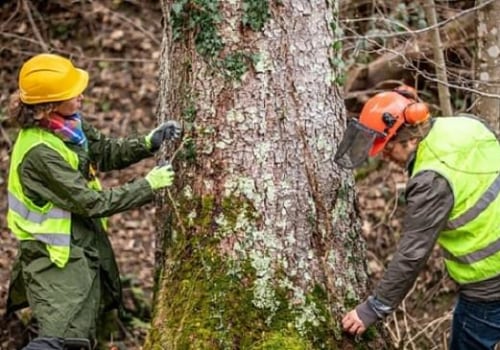
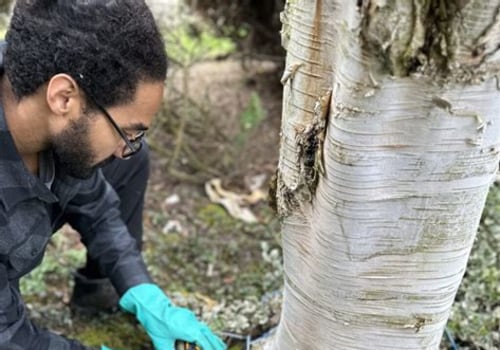
Regular tree inspections are crucial for maintaining the overall health of your trees and preventing the spread of tree diseases. By routinely checking your trees, you can identify early signs of distress or disease, which allows for timely intervention and treatment. This proactive approach not only protects your trees but also enhances the aesthetic and ecological value of your landscape.One of the primary benefits of inspecting your trees is the ability to monitor their health effectively.Trees can be susceptible to various diseases, pests, and environmental stressors. Regular inspections help you:
- Detect early signs of disease: Look for unusual leaf discoloration, wilting, or abnormal growth patterns.
- Identify pest infestations: Check for signs of insects or other pests that may harm your trees.
- Assess environmental factors: Evaluate how weather conditions or soil quality may be affecting tree health.
- Cost savings: Early detection often means less expensive treatments and interventions.
- Increased longevity: Healthy trees are more resilient and can live longer, providing shade and beauty for years to come.
- Enhanced property value: Well-maintained trees contribute positively to the overall value of your property.
How Often Should You Inspect Your Trees?
Regular inspections of your trees are crucial for early detection of tree diseases and ensuring their overall health. The frequency of these inspections can vary based on several factors, including the species of the tree, its age, and the environmental conditions it faces.General Guidelines for Tree Inspection Frequency:- Young Trees: Newly planted trees should be inspected every 2-4 weeks during their first growing season.
This allows you to monitor their establishment and catch any early signs of stress or disease.
- Mature Trees: For established trees, a thorough inspection should be conducted at least twice a year—once in the spring and once in the fall. This schedule helps identify seasonal issues such as pest infestations or fungal infections.
- High-Risk Species: Certain tree species are more susceptible to diseases and pests. If you have species known for their vulnerability, consider inspecting them monthly during the growing season.
Look for broken branches, cracks in the trunk, or any unusual growths that may indicate a problem. By establishing a practical tree health check schedule, you can ensure that your trees remain healthy and vibrant while minimizing the risk of severe tree disease treatment needs in the future.
Signs of Tree Disease to Look For
When it comes to tree disease treatment, early detection is crucial. Knowing the signs of tree disease can help you take action before the problem escalates. Here are some common symptoms to look for:- Discoloration of Leaves: Yellowing, browning, or unusual spots on leaves can indicate stress or disease. Pay attention to any changes in color that seem out of the ordinary.
- Wilting or Dropping Leaves: If leaves are wilting or falling prematurely, it may be a sign of root problems or a disease affecting the tree's ability to absorb water.
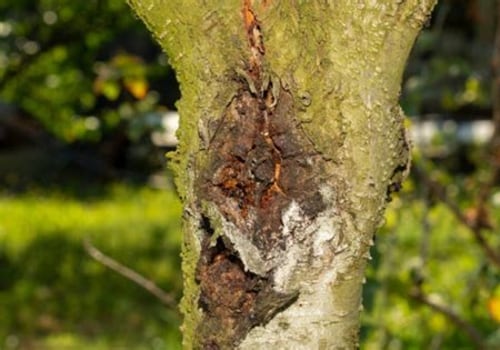
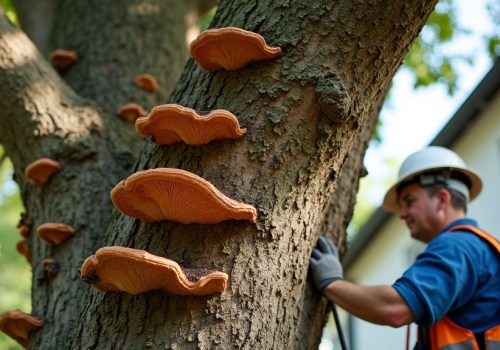
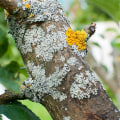
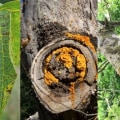
- Unusual Growths: Look for galls, cankers, or fungal growths on the bark or branches.
These can be indicators of specific diseases that require immediate attention.
- Cracked or Peeling Bark: Damage to the bark can expose the tree to pathogens. Cracks or peeling may suggest underlying issues that need to be addressed.
- Pest Infestation: The presence of insects such as borers or aphids can weaken a tree and make it more susceptible to diseases. Check for signs of pests, including holes in the bark or sticky residue on leaves.
By being observant and proactive, you can ensure your trees remain healthy and vibrant.
What to Do If You Find Signs of Disease
Discovering signs of disease in your trees can be alarming, but taking prompt action is crucial for effective tree disease treatment. Here are the steps you should follow if you suspect your trees are diseased:- Assess the Symptoms: Begin by closely examining the tree for specific symptoms such as discolored leaves, unusual growths, or wilting branches. Identifying the type of disease can help determine the appropriate treatment.
- Isolate Affected Areas: If you notice any dead or diseased branches, prune them away immediately. This not only helps prevent the spread of disease but also allows the tree to focus its energy on healthy growth.
- Choose a Treatment Method: Depending on the type of disease, there are various treatment options available:
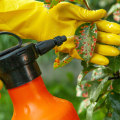
- Chemical Treatments: Fungicides and insecticides can be effective against certain diseases.
Always follow the manufacturer's instructions and consider organic options when possible.
- Natural Remedies: Some tree diseases can be treated with natural solutions like neem oil or baking soda mixtures. These can be less harmful to beneficial insects and the environment.
- Soil Health Improvement: Ensuring your tree has healthy soil can bolster its defenses against disease. Consider adding organic matter or mulch to improve soil quality.
- Monitor Progress: After treatment, keep a close eye on your tree's recovery. Look for signs of new growth and overall health improvement.
- Consult a Professional: If the disease persists or worsens, it’s wise to consult a professional arborist.
They have the expertise to diagnose complex issues and recommend advanced treatments.
Seasonal Considerations for Tree Inspections
Understanding the seasonal considerations for tree inspections is crucial for effective tree disease treatment. Each season presents unique challenges and opportunities for maintaining tree health, making it essential to tailor your inspection schedule accordingly.Spring: A Time of Renewal
As trees awaken from dormancy, spring is an ideal time for inspections. Look for:- New growth: Healthy buds and leaves indicate vitality.
- Pests: Early detection of insects can prevent infestations.
- Fungal infections: Check for unusual spots or wilting leaves.
Summer: Vigilance Required
During the summer months, trees are under stress from heat and drought.Regular inspections should focus on:
- Watering needs: Ensure trees receive adequate moisture.
- Leaf discoloration: Yellowing or browning leaves may signal disease.
- Pest activity: Monitor for signs of infestation, especially in warmer climates.
Fall: Preparing for Dormancy
As trees prepare for winter, fall inspections are vital. Key areas to assess include:- Leaf drop patterns: Abnormal leaf loss can indicate stress or disease.
- Structural integrity: Check for broken branches or weak limbs that could pose hazards in winter storms.
- Pest preparation: Identify any pests that may overwinter in bark crevices.
Winter: A Time for Planning
While trees are dormant, winter is an excellent time to plan for the upcoming year. Although inspections are less frequent, consider:- Tree structure assessment: Evaluate the overall shape and health of your trees without foliage as a guide.
- Pruning needs: Identify branches that require trimming to improve air circulation and light penetration.
- Disease history review: Reflect on any past issues to inform future care strategies.
Frequently Asked Questions About Tree Disease Inspections
When it comes to maintaining the health of your trees, understanding how often to inspect them for signs of disease is crucial. Here are some frequently asked questions regarding tree disease inspections:- How often should I inspect my trees? It is recommended to inspect your trees at least twice a year, ideally in the spring and fall.
This allows you to catch any early signs of disease or pest infestations before they become severe.
- What signs of disease should I look for? Common indicators include discolored leaves, unusual growths, and excessive leaf drop. Additionally, check for any signs of bark damage or fungal growth.
- Can I perform tree inspections myself? Yes, many homeowners can conduct basic inspections. However, for more complex issues or if you notice significant problems, it’s best to consult a professional arborist.
- What should I do if I find signs of disease? If you detect any signs of tree disease, it’s important to act quickly. You may need to apply appropriate tree disease treatments, which can include pruning infected branches or using fungicides.
- Are certain trees more susceptible to diseases? Yes, some species are more prone to specific diseases.
For example, oak trees are often affected by oak wilt, while pines can suffer from needle blight. Knowing your tree species can help you anticipate potential issues.