Understanding tree diseases is essential for any tree owner or enthusiast. Trees, like all living organisms, are susceptible to a variety of ailments that can threaten their health and longevity. These diseases can stem from numerous sources, including fungi, bacteria, viruses, and even environmental factors such as poor soil conditions or extreme weather. Recognizing the symptoms of these diseases early on can be the key to effective tree disease treatment.There are several common types of tree diseases that one should be aware of.
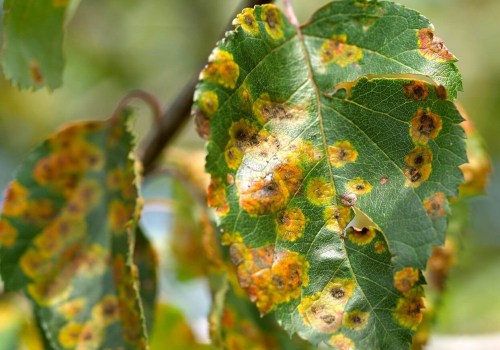
For instance, root rot is a prevalent issue caused by fungal pathogens that attack the roots, leading to wilting and eventual death if not addressed. Another example is leaf spot, which manifests as dark spots on leaves and can significantly reduce a tree's ability to photosynthesize. Additionally, canker diseases can create sunken areas on the bark, often leading to dieback in branches. Each type of tree disease presents unique challenges and requires specific treatment approaches. Understanding these diseases not only helps in identifying the right course of action but also aids in preventing future outbreaks.
By familiarizing yourself with the signs and symptoms of various tree diseases, you empower yourself to take proactive measures in maintaining your trees' health.
Signs and Symptoms of Tree Diseases
Identifying tree disease symptoms early is crucial for effective tree disease treatment. Trees, like any living organism, exhibit various signs when they are unwell. Recognizing these signs can help you take timely action to save your tree. Common symptoms of tree diseases include:- Discoloration of Leaves: One of the first signs of a tree in distress is the change in leaf color. Healthy leaves are typically vibrant green, while diseased trees may show yellowing, browning, or even black spots.
- Wilting or Dropping Leaves: If a tree's leaves are wilting or falling prematurely, it may indicate a problem.
This can be due to root issues or environmental stressors exacerbated by disease.
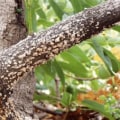
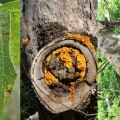
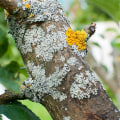
- Unusual Growths: Look for abnormal growths such as galls, cankers, or fungal fruiting bodies on the bark or leaves. These can be indicators of specific diseases affecting the tree.
- Bark Damage: Cracks, peeling, or oozing sap from the bark can signal that a tree is suffering from a disease. This damage often allows pathogens to enter and further compromise the tree's health.
- Pest Infestation: A sudden increase in pests around a tree can also be a sign of underlying disease. Pests often target weakened trees, making it essential to address both the pests and the root cause of the tree's illness.
Early detection not only increases the chances of recovery but also helps prevent the spread of disease to other plants in your garden or landscape. If you notice any of these signs, consider consulting with an arborist or a tree care professional who can provide a proper diagnosis and recommend appropriate treatment options.
Diagnosing Tree Diseases
Diagnosing tree diseases is a critical first step in tree disease treatment. Accurate diagnosis not only helps in identifying the specific ailment affecting the tree but also guides the selection of the most effective treatment options. Here are some common methods used for diagnosing tree diseases:- Visual Inspection: A thorough visual examination of the tree can reveal signs of disease. Look for symptoms such as discolored leaves, unusual growths, or bark abnormalities.
Pay attention to the overall health of the tree, including its vigor and leaf density.
- Soil Testing: The health of a tree is often linked to the quality of the soil it grows in. Conducting soil tests can help identify nutrient deficiencies or toxicities that may be contributing to the tree's poor health.
- Laboratory Analysis: For more complex cases, sending samples to a laboratory can provide definitive answers. This may include testing for pathogens like fungi, bacteria, or viruses that are not easily identifiable through visual inspection alone.
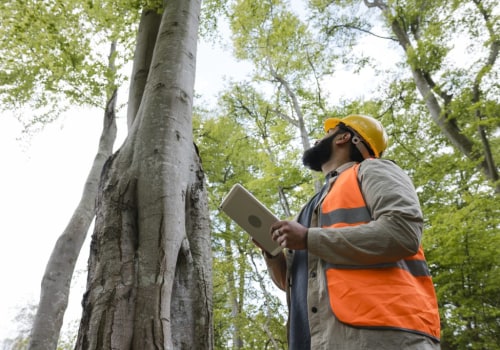
- Consulting Professionals: If you're unsure about your findings, seeking help from a certified arborist or plant pathologist can be invaluable. These professionals have the expertise and tools necessary to diagnose tree diseases accurately.
Factors such as drought, soil compaction, and improper pruning can exacerbate disease symptoms. By taking a holistic approach to diagnosis, you can better understand the underlying issues affecting your tree.Ultimately, proper diagnosis is key to determining the appropriate tree disease treatment. Whether it involves chemical treatments, cultural practices, or even removal of affected parts, understanding the specific disease will lead to more effective management strategies.
Tree Disease Treatment Options
When it comes to tree disease treatment, there are several options available that can help restore the health of your trees. The choice of treatment often depends on the type of disease, the severity of the infection, and the specific tree species involved.Chemical Treatments
Chemical treatments are often the first line of defense against serious tree diseases.These can include:
- Pesticides: Used to combat insect infestations that may be contributing to tree diseases.
- Fungicides: Effective against fungal infections, these can be applied as sprays or soil drenches.
- Herbicides: Sometimes necessary to eliminate competing vegetation that may harbor pests or diseases.
Organic Solutions
For those looking for more natural alternatives, organic solutions can be effective in managing tree diseases. Some popular options include:- Neem Oil: A natural pesticide that can help control a variety of pests and diseases.
- Baking Soda: Can be mixed with water and used as a fungicide for certain fungal infections.
- Companion Planting: Planting certain species nearby can deter pests and improve overall tree health.
Cultural Practices
Cultural practices play a significant role in preventing and managing tree diseases. These include:- Proper Watering: Ensuring trees receive adequate water without overwatering, which can lead to root rot.
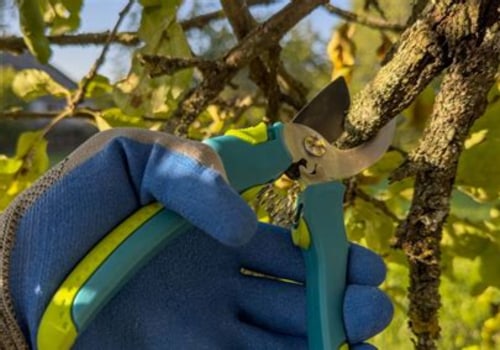
- Pruning: Regularly removing dead or diseased branches helps improve air circulation and reduce disease spread.
- Soil Management: Testing soil health and amending it as needed can promote stronger trees less susceptible to disease.
Preventing Tree Diseases
Preventing tree diseases is crucial for maintaining the health and longevity of your trees.By implementing effective tree care tips, you can significantly reduce the risk of disease and ensure that your trees thrive.
- Choose the Right Tree Species: Selecting tree species that are well-suited to your local climate and soil conditions can enhance their resilience against diseases. Research native species that are adapted to your area.
- Proper Planting Techniques: When planting trees, ensure they are planted at the correct depth and in well-draining soil. Avoid crowding them with other plants, as this can lead to poor air circulation and increased humidity, creating a favorable environment for pathogens.
- Regular Inspections: Conduct routine checks for signs of disease or pest infestations. Early detection is key to preventing the spread of tree diseases.
Look for unusual leaf discoloration, wilting, or any signs of decay.
- Watering Wisely: Overwatering can lead to root rot and other fungal diseases. Water trees deeply but infrequently, allowing the soil to dry out between watering sessions. This encourages deep root growth and strengthens the tree's overall health.
- Mulching: Applying a layer of organic mulch around the base of your trees helps retain moisture, suppress weeds, and regulate soil temperature. However, keep mulch away from the trunk to prevent moisture buildup that can lead to rot.
- Fertilization: Providing appropriate nutrients through fertilization can bolster a tree's immune system.
Conduct a soil test to determine nutrient deficiencies and choose a balanced fertilizer accordingly.
- Pest Management: Implement integrated pest management (IPM) strategies to control pests without harming beneficial insects. This includes using traps, natural predators, and organic pesticides when necessary.
When to Call a Professional Arborist
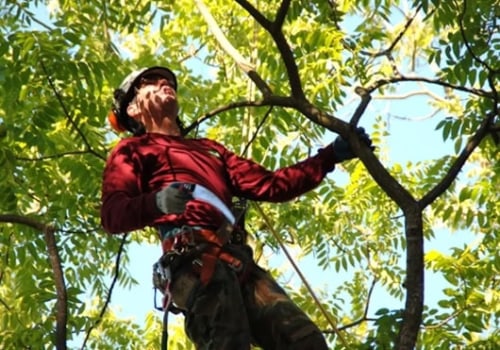
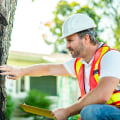
Determining when to call a professional arborist is crucial for effective tree disease treatment. While some minor issues can be managed by homeowners, there are specific scenarios where expert intervention is necessary.- Severe Symptoms: If your tree exhibits severe symptoms such as extensive leaf discoloration, significant dieback, or visible fungal growth, it’s time to consult an arborist.
These signs often indicate advanced disease that requires professional assessment.
- Multiple Trees Affected: When multiple trees in your yard show signs of disease, it may suggest a systemic issue. An arborist can diagnose the problem and recommend a comprehensive treatment plan to protect your landscape.
- Uncertain Diagnosis: If you’re unsure about the type of disease affecting your tree, an arborist has the expertise to identify the issue accurately. Misdiagnosis can lead to ineffective treatments and wasted resources.
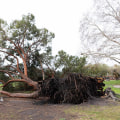
- Safety Concerns: Trees that are diseased may become unstable. If you notice leaning or cracking branches, it’s essential to call a professional.
Arborists can safely assess and manage hazardous trees.
- Specialized Treatments: Some tree diseases require specialized treatments that are not available to the average homeowner. An arborist can provide access to advanced solutions, including injections or systemic treatments that are more effective than over-the-counter options.
Don’t hesitate to reach out for expert advice when you suspect a tree disease; it could make all the difference in preserving your green assets.
FAQs About Tree Disease Treatment
When it comes to tree disease treatment, many homeowners and tree enthusiasts have questions. Here are some of the most frequently asked questions regarding the treatment and management of tree diseases.What are the signs of a diseased tree?
Identifying a diseased tree early can significantly improve the chances of successful treatment. Common signs include:- Discolored leaves: Yellowing, browning, or spots on leaves can indicate stress or disease.
- Wilting: Leaves that droop or wilt may suggest a lack of water or root issues.
- Fungal growth: The presence of mushrooms or other fungi on the trunk or roots can signal decay.
- Bark abnormalities: Cracks, peeling, or oozing sap can be signs of infection.
Can all tree diseases be treated?
Not all tree diseases are treatable, but many can be managed effectively. The success of tree disease treatment depends on factors such as:- The type of disease affecting the tree.
- The overall health and age of the tree.
- The timing of treatment interventions.
What are common treatments for tree diseases?
Treatments vary based on the disease but may include:- Pesticides: Used for insect infestations that contribute to disease.
- Fungicides: Effective against fungal infections when applied correctly.
- Cultural practices: Improving soil health, watering properly, and pruning dead branches can enhance tree resilience.
How can I prevent tree diseases?
Prevention is key in maintaining tree health.Consider these practices:
- Regular inspections: Check trees for early signs of disease.
- Proper watering: Ensure trees receive adequate moisture without overwatering.
- Nutrient management: Fertilize appropriately to support strong growth.
Conclusion: The Possibility of Saving Trees from Disease
In conclusion, the journey of tree disease treatment is one that requires careful consideration, expert knowledge, and timely action. As we have explored throughout this article, diagnosing a tree's ailment accurately is the first crucial step in determining the appropriate course of action. Whether it’s a fungal infection, pest infestation, or environmental stress, understanding the specific disease is essential for effective treatment.Once a diagnosis is made, various treatment options can be employed. These may include:- Pruning: Removing infected branches can help prevent the spread of disease.
- Pesticides and Fungicides: Applying chemical treatments can effectively combat specific pests and pathogens.
- Soil Management: Improving soil health through amendments can bolster a tree's natural defenses.
- Watering and Fertilization: Providing adequate nutrients and hydration supports overall tree health.
However, with early intervention and proper care, many trees can recover and thrive once again. Engaging with a certified arborist can provide invaluable insights into the best practices for tree disease treatment, ensuring that your efforts are both effective and sustainable.Ultimately, the possibility of saving a tree from disease hinges on our willingness to act promptly and responsibly. By prioritizing tree health and seeking professional guidance when needed, we can preserve these vital components of our ecosystem for generations to come.