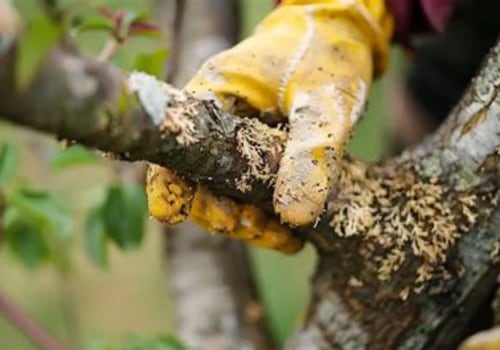
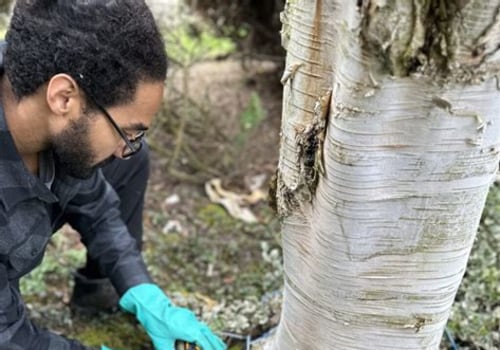
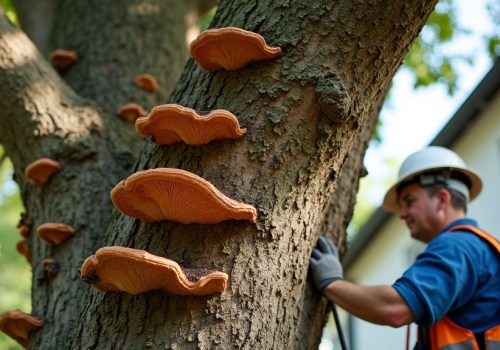
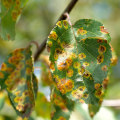
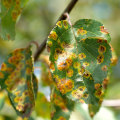
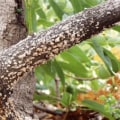
Understanding tree diseases is essential for any tree owner or enthusiast, as these conditions can significantly impact the health and longevity of trees. Tree diseases are often caused by a variety of factors, including pathogens such as fungi, bacteria, and viruses, as well as environmental stressors. Recognizing the types of tree diseases is crucial for effective tree disease treatment. Common types include root rot, leaf spot, and cankers, each presenting unique challenges and requiring specific management strategies. Symptoms of tree diseases can vary widely depending on the type and severity of the infection.
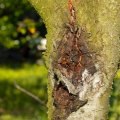
Some trees may exhibit wilting leaves, discolored foliage, or unusual growth patterns. Others might show signs of decay or dieback in branches. Early detection is key; thus, understanding these symptoms can help in implementing timely interventions. For instance, a tree with yellowing leaves might be suffering from nutrient deficiencies or a fungal infection, while a tree with dark lesions on its bark could be facing a more severe threat. Moreover, weather conditions play a pivotal role in the prevalence and severity of these diseases.
Factors such as humidity, temperature fluctuations, and precipitation can create an environment conducive to pathogen development. For example, prolonged wet conditions can lead to increased fungal growth, while extreme heat may stress trees and make them more susceptible to infections. By grasping the fundamentals of tree diseases and their symptoms, tree caretakers can better prepare for the challenges posed by changing weather patterns.
The Role of Weather in Tree Health
Weather plays a crucial role in determining the overall health of trees, influencing their growth patterns and susceptibility to diseases. Various weather conditions, including temperature fluctuations, humidity levels, and precipitation amounts, can significantly impact tree vitality.Temperature
is one of the most critical factors affecting tree health.
Extreme heat can lead to stress in trees, making them more vulnerable to pests and diseases. For instance, prolonged periods of high temperatures can weaken a tree's defenses, allowing pathogens to invade more easily. Conversely, unseasonably cold temperatures can cause frost damage, particularly in early spring when trees are beginning to bud.
Humidity
also plays a vital role in tree health. High humidity levels can create an environment conducive to fungal infections, such as powdery mildew and root rot.
These diseases thrive in moist conditions, making it essential for tree owners to monitor humidity levels and take preventive measures when necessary. On the other hand, low humidity can lead to desiccation, causing trees to lose moisture rapidly and become stressed.
Precipitation
is another significant weather factor that affects tree health. While adequate rainfall is essential for tree growth, excessive rainfall can lead to waterlogged soil conditions that suffocate roots and promote disease. Trees that are consistently exposed to standing water are at a higher risk for root diseases and other complications.Understanding the interplay between these weather conditions and tree health is vital for effective tree disease treatment.
By recognizing how temperature, humidity, and precipitation affect trees, homeowners and arborists can implement better management practices to enhance tree resilience against diseases.
How Specific Weather Conditions Increase Disease Vulnerability
Understanding how specific weather conditions affect tree health is crucial for effective tree disease treatment. Various environmental factors can significantly increase a tree's vulnerability to diseases, making it essential for tree owners and caretakers to be aware of these risks.Excessive Rain and Humidity
Prolonged periods of excessive rain and high humidity create a perfect environment for fungal infections. When trees are constantly wet, their bark and leaves can become breeding grounds for pathogens. For instance, conditions like powdery mildew thrive in humid environments, leading to weakened trees that are more susceptible to other diseases.Drought Effects on Trees
Conversely, drought can also have detrimental effects on tree health.When trees do not receive adequate water, they become stressed and less capable of fighting off diseases. Drought-stressed trees often exhibit symptoms such as wilting leaves and stunted growth, making them prime targets for pests and pathogens. Additionally, the lack of moisture can lead to the development of cracks in the bark, providing entry points for harmful organisms.
Extreme Temperatures
Extreme temperatures, whether hot or cold, can also compromise tree health. High temperatures can lead to heat stress, which weakens a tree's defenses against diseases.On the other hand, freezing temperatures can cause frost damage, making trees more vulnerable to infections as they struggle to recover from the cold.In summary, understanding the relationship between weather conditions and tree disease vulnerability is vital for effective management and treatment. By monitoring environmental factors such as humidity, rainfall, and temperature extremes, tree caretakers can take proactive measures to protect their trees from potential diseases.
Common Tree Diseases Linked to Weather Conditions
Weather conditions play a crucial role in the prevalence and severity of tree diseases. Certain environmental factors can create an ideal breeding ground for pathogens, leading to increased vulnerability among trees. Below are some common tree diseases that are often linked to specific weather conditions.Fungal Infections
Fungal infections are among the most prevalent tree diseases, particularly during periods of high humidity and rainfall.For instance, Anthracnose, a fungal disease affecting various tree species, thrives in wet conditions. It can cause leaf spots, wilting, and even branch dieback. In 2020, a significant outbreak of Anthracnose was reported in oak trees across the Midwest, coinciding with an unusually wet spring.
Bacterial Infections
Bacterial infections can also be exacerbated by specific weather patterns.Bacterial blight
, for example, is often seen in trees during warm, wet weather.This disease can lead to leaf drop and dieback, severely impacting the health of the tree. A case study from California highlighted how a series of warm storms in early spring led to a spike in bacterial blight cases among sycamore trees.
Impact of Drought
Conversely, drought conditions can weaken trees, making them more susceptible to both fungal and bacterial infections. Trees under stress from lack of water may not be able to fend off pathogens effectively. For example, during the prolonged drought in Texas from 2011 to 2015, many pine trees succumbed to pine bark beetle infestations, which were facilitated by weakened defenses against disease.In summary, understanding the relationship between weather conditions and tree diseases is essential for effective tree disease treatment.By monitoring environmental factors and recognizing patterns in disease outbreaks, tree care professionals can implement timely interventions to protect vulnerable species.
Preventive Measures Against Tree Diseases Related to Weather
To effectively prevent tree diseases that can be exacerbated by adverse weather conditions, it is essential to adopt a proactive approach to tree care. Here are some practical tips to help maintain the health of your trees:- Regular Inspections: Conduct routine checks for signs of disease or stress, such as discolored leaves, unusual growth patterns, or bark damage. Early detection is key to effective tree disease treatment.
- Proper Watering: Ensure that your trees receive adequate water, especially during dry spells. However, avoid overwatering, as this can lead to root rot and other moisture-related diseases.
- Mulching: Apply a layer of organic mulch around the base of your trees.
This helps retain soil moisture, regulate temperature, and prevent weed growth that can compete for nutrients.
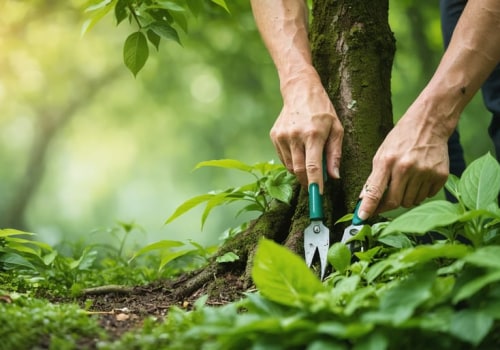
- Pruning: Regularly prune dead or diseased branches to improve air circulation and reduce the risk of fungal infections. Make sure to use clean, sharp tools to prevent introducing pathogens.
- Soil Health: Test your soil periodically to ensure it has the right pH and nutrient levels. Healthy soil promotes strong root systems that are less susceptible to disease.
Consult with local nurseries or extension services for recommendations tailored to your region's climate and soil conditions. By implementing these preventive measures and being mindful of the specific challenges posed by weather conditions, you can help ensure that your trees remain healthy and vibrant throughout the seasons.
Tree Disease Treatment Options
When it comes to tree disease treatment, understanding the available options is crucial for effective management. The choice between chemical and organic treatments often depends on the specific disease, the tree species, and the prevailing weather conditions.Chemical Treatments for Trees
Chemical treatments can be highly effective in combating severe tree diseases. These treatments typically include:- Fungicides: Used to treat fungal infections, these chemicals can be applied as sprays or soil drenches. Timing is essential; applying fungicides during wet weather can enhance their effectiveness.
- Pesticides: For trees affected by insect-borne diseases, targeted pesticides can help eliminate the pests that spread pathogens.
- Systemic Treatments: These are absorbed by the tree and provide long-lasting protection against various diseases.
They are particularly useful in areas with high humidity, where diseases thrive.
Organic Treatments for Tree Diseases
For those seeking environmentally friendly options, organic treatments can be just as effective when applied correctly. Some popular organic methods include:- Neem Oil: This natural pesticide disrupts the life cycle of pests and can also help control fungal infections.
- Baking Soda: A simple solution that can be mixed with water and sprayed on trees to combat powdery mildew and other fungal issues.
- Companion Planting: Planting certain species alongside trees can deter pests and improve overall tree health.
Monitoring weather patterns and understanding how they affect tree health will help ensure that your chosen tree disease treatment is both timely and effective.
FAQs About Weather and Tree Diseases
Understanding the relationship between weather conditions and tree diseases is crucial for effective tree disease treatment. Here are some frequently asked questions that can help clarify this complex interaction:- How does humidity affect tree diseases?
High humidity levels can create a favorable environment for fungal infections, as moisture on leaves can promote spore germination. Trees in humid climates may require more vigilant monitoring and treatment to prevent diseases. - Can drought stress make trees more susceptible to diseases?
Yes, when trees experience drought stress, their natural defenses weaken, making them more vulnerable to pathogens. Ensuring adequate watering during dry spells is essential for maintaining tree health. - What role does temperature play in tree disease?
Extreme temperatures, whether hot or cold, can stress trees and make them more prone to diseases.For instance, sudden temperature fluctuations can lead to frost damage, which may open pathways for infections.
- Are certain tree species more affected by weather-related diseases?
Absolutely. Some species are inherently more susceptible to specific diseases based on their genetic makeup and environmental adaptability. Researching the best species for your local climate can help mitigate risks. - What treatments are effective for weather-related tree diseases?
Treatment options vary depending on the disease and its severity. Common methods include applying fungicides, improving soil drainage, and ensuring proper pruning techniques to enhance air circulation.
Regular monitoring and proactive care are key to maintaining healthy trees in varying weather conditions.
Conclusion: The Interplay Between Weather and Tree Health
In conclusion, the relationship between weather conditions and tree health is complex and multifaceted. As we have explored, various climatic factors such as temperature fluctuations, humidity levels, and precipitation patterns can significantly influence the susceptibility of trees to diseases. Understanding this interplay is crucial for effective tree disease treatment.For instance, prolonged periods of wet weather can create an ideal environment for fungal infections, while extreme heat can stress trees, making them more vulnerable to pests and pathogens. Additionally, sudden changes in weather can weaken a tree's defenses, leading to increased disease incidence.- Temperature: Extreme temperatures can either promote or inhibit the growth of pathogens.
- Humidity: High humidity levels often correlate with increased fungal activity.
- Precipitation: Excessive rainfall can lead to root rot and other moisture-related diseases.
Regular monitoring of tree health, combined with appropriate cultural practices such as proper watering and pruning, can enhance resilience against adverse weather conditions. Furthermore, timely intervention with fungicides or other treatments can help manage outbreaks before they escalate.Ultimately, by recognizing the impact of weather on tree health and implementing effective management practices, we can ensure that our trees remain robust and less susceptible to diseases. This holistic approach not only benefits individual trees but also contributes to the overall health of our urban and natural landscapes.