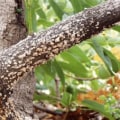
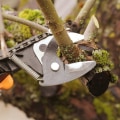
Understanding tree diseases is essential for any tree care enthusiast or professional. Trees, like all living organisms, are susceptible to a variety of ailments that can affect their health and longevity. These diseases can be caused by pathogens such as fungi, bacteria, and viruses, as well as environmental factors like poor soil conditions and inadequate watering. Recognizing the signs of tree diseases early on can make a significant difference in treatment outcomes. There are several common types of tree diseases, each presenting unique symptoms.
For instance, root rot, often caused by overwatering or poor drainage, can lead to wilting leaves and stunted growth. On the other hand, leaf spot diseases may manifest as dark spots on leaves, which can eventually lead to leaf drop. Additionally, bark beetle infestations can cause trees to exhibit signs of stress such as yellowing foliage and premature leaf fall. Understanding these symptoms is crucial for identifying the specific disease affecting a tree. By familiarizing yourself with the various types of tree diseases and their symptoms, you lay the groundwork for effective tree disease treatment.
This knowledge not only helps in diagnosing issues but also in avoiding common mistakes that can exacerbate the problem. As we delve deeper into the topic, we will explore how to properly treat these diseases while steering clear of pitfalls that could hinder recovery.
Mistake #1: Ignoring Early Symptoms
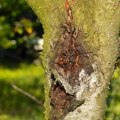
Recognizing the early symptoms of tree diseases is crucial for effective tree disease treatment. Trees, like any living organism, exhibit signs of distress before a disease becomes severe. Ignoring these early indicators can lead to irreversible damage and even death of the tree.Common signs of tree disease include yellowing leaves, wilting, premature leaf drop, and unusual growths such as galls or cankers.Additionally, changes in bark texture or color, as well as the presence of fungi or insect infestations, can signal underlying health issues. By familiarizing yourself with these symptoms, you can take proactive measures to address potential problems.The importance of early detection cannot be overstated. When tree diseases are caught early, treatment options are more effective and less invasive. For instance, a tree showing slight leaf discoloration may only require targeted pruning or a mild fungicide.
In contrast, a tree that has been neglected may need extensive treatment or even removal.To avoid the mistake of ignoring early symptoms, consider implementing regular inspections of your trees. Look for any changes in foliage or bark and monitor their overall health throughout the seasons. Keeping a close eye on your trees not only helps in identifying issues early but also fosters a deeper connection with your landscape.In summary, recognizing and responding to the early symptoms of tree diseases is essential for maintaining healthy trees. By being vigilant and proactive, you can ensure that your trees thrive and contribute positively to your environment.
Mistake #2: Using Incorrect Treatment Methods
When it comes to tree disease treatment, one of the most significant pitfalls is using incorrect treatment methods.Each tree disease has its own unique characteristics and requires a tailored approach for effective management. Here are some common treatment mistakes to avoid:
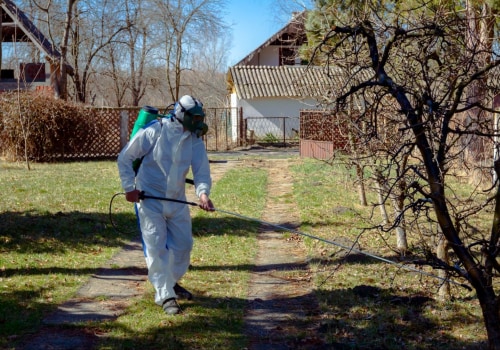
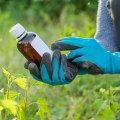
- Applying the Wrong Chemical Treatments: Many tree owners mistakenly use broad-spectrum pesticides or fungicides without identifying the specific pathogen affecting their trees. This can lead to ineffective treatment and may even harm beneficial organisms in the soil.
- Ignoring Application Instructions: Failing to follow the manufacturer’s instructions regarding dosage and application frequency can result in under-treatment or over-treatment. Both scenarios can exacerbate the problem rather than alleviate it.
- Using Home Remedies Without Research: While some home remedies may seem appealing, they often lack scientific backing.
For instance, using baking soda as a fungicide can be ineffective against certain fungal infections if not applied correctly.
- Neglecting Environmental Factors: Treatment methods that do not consider environmental conditions—such as humidity, temperature, and soil health—can lead to poor outcomes. For example, applying a treatment during a rainstorm may wash away the product before it has a chance to work.
Mistake #3: Over-Treating or Under-Treating Trees
When it comes to tree disease treatment, one of the most significant pitfalls is the tendency to either over-treat or under-treat affected trees.Both extremes can lead to detrimental effects on tree health and recovery.
Risks of Over-Treatment
Over-treatment often occurs when tree owners, eager to save their trees, apply excessive amounts of pesticides, fungicides, or fertilizers. This can lead to:- Chemical Burn: High concentrations of chemicals can damage the tree's foliage and roots, leading to further stress.
- Soil Imbalance: Excessive application can disrupt the natural soil ecosystem, harming beneficial microorganisms that support tree health.
- Resistance Development: Overuse of certain treatments can lead to pests and pathogens developing resistance, making future treatments less effective.
Consequences of Under-Treatment
On the other hand, under-treatment can be just as harmful. Failing to adequately address a tree's disease can result in:- Progression of Disease: Without proper intervention, diseases can spread, not only affecting the individual tree but also neighboring plants.
- Weakened Structure: Trees that are not treated effectively may become structurally compromised, increasing the risk of falling branches or complete tree failure.
- Increased Pest Attraction: A weakened tree is more susceptible to pest infestations, which can exacerbate existing health issues.
Consulting with an arborist or a tree care professional can provide valuable insights into the appropriate treatment regimen tailored to the unique conditions affecting your trees. By avoiding both over-treatment and under-treatment, you can significantly enhance your trees' chances of recovery and long-term health.
Mistake #4: Neglecting Soil Health and Environment
When addressing tree disease treatment, one of the most critical yet often overlooked aspects is the health of the soil and the surrounding environment. Trees do not exist in isolation; their health is intricately linked to the quality of the soil they grow in and the environmental conditions they face.Soil Health for Trees
- Nutrient Availability: Healthy soil is rich in essential nutrients that trees need to thrive. A deficiency in key nutrients can weaken a tree's immune system, making it more susceptible to diseases.
- Soil Structure: Well-aerated soil allows for proper root development and water drainage.
Compacted or poorly structured soil can lead to root rot and other issues that exacerbate tree diseases.
- Microbial Activity: Beneficial microorganisms in the soil play a vital role in nutrient cycling and disease suppression. Neglecting soil health can disrupt these microbial communities, leading to increased disease prevalence.
Environmental Factors in Tree Disease
- Moisture Levels: Both overwatering and drought can stress trees, making them more vulnerable to diseases. Understanding local climate patterns is essential for effective tree disease treatment.
- Sunlight Exposure: Trees require adequate sunlight for photosynthesis. Insufficient light can weaken trees, making them more prone to infections.
- Pest Interactions: Soil health influences pest populations.
Healthy soils support robust trees that can better withstand pest attacks, while unhealthy soils may lead to increased pest pressure.
Mistake #5: Failing to Consult Professionals When Needed
When it comes to tree disease treatment, one of the most significant mistakes homeowners make is attempting to handle severe cases without professional help. While some minor issues can be managed with DIY methods, recognizing when to consult a tree expert is crucial for the health of your trees.Signs You Should Consult a Tree Expert:
- Severe Symptoms: If your tree exhibits drastic symptoms such as extensive leaf drop, bark peeling, or visible decay, it’s time to call in a professional.
- Multiple Trees Affected: When several trees in your yard show signs of disease, it may indicate a larger issue that requires expert diagnosis and treatment.
- Uncertain Diagnosis: If you’re unsure about the type of disease affecting your tree, an arborist can provide a precise diagnosis and recommend appropriate treatments.
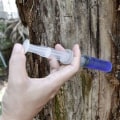
- Invasive Treatments Needed: Some diseases require advanced treatments like injections or specialized fungicides that only professionals are equipped to handle.
Benefits of Consulting Arborists:
- Expert Knowledge: Arborists have extensive training and experience in identifying tree diseases and understanding their life cycles.
- Customized Treatment Plans: Professionals can create tailored treatment plans based on the specific needs of your trees and the severity of the disease.
- Long-Term Health: By addressing tree diseases promptly and effectively, you can ensure the long-term health and vitality of your landscape.
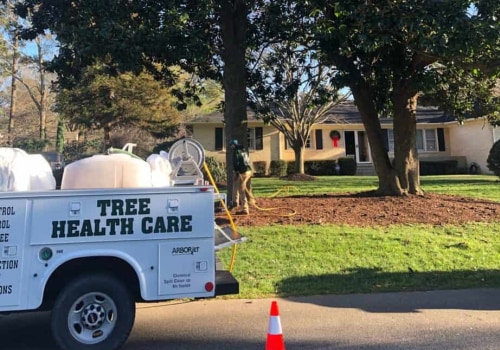
Don’t hesitate to reach out to a qualified arborist if you notice troubling signs or if you’re dealing with a complex situation. Their expertise can make all the difference in restoring your trees to health.
Frequently Asked Questions About Tree Disease Treatment
When it comes to tree disease treatment, many homeowners and gardeners have questions that can significantly impact the health of their trees. Here are some frequently asked questions that can help clarify common concerns:What are the signs of tree diseases?
Identifying tree diseases early is crucial for effective treatment. Look for:- Discoloration of leaves or bark
- Wilting or drooping branches
- Unusual growths, such as galls or cankers
- Fungal growths on the trunk or soil
- Pest infestations that may accompany disease symptoms
How can I treat tree diseases effectively?
Treating tree diseases often requires a multi-faceted approach:- Identify the disease: Proper diagnosis is essential.
Consult with a local arborist or extension service.
- Prune affected areas: Remove dead or diseased branches to prevent the spread of infection.
- Apply appropriate treatments: Use fungicides, insecticides, or organic solutions as recommended for specific diseases.
- Improve tree care: Ensure proper watering, mulching, and fertilization to strengthen tree health.
Are there preventative measures for tree diseases?
Yes! Preventative care is key to avoiding tree diseases:- Select resistant species: Choose tree varieties known for their resistance to common diseases in your area.
- Avoid overwatering: Excess moisture can lead to root rot and other fungal issues.
- Maintain proper spacing: Ensure adequate air circulation between trees to reduce humidity and disease spread.
- Regular inspections: Monitor your trees regularly for early signs of distress or disease.
Conclusion: Key Takeaways for Effective Tree Disease Treatment
In summary, effectively treating tree diseases requires a careful approach that avoids common pitfalls. By understanding the nuances of tree health and disease management, you can significantly improve the chances of recovery for your trees.Key Points to Remember
- Proper Diagnosis: Always start with an accurate diagnosis. Misidentifying the disease can lead to ineffective treatments and wasted resources.
- Timely Intervention: Addressing tree diseases promptly is crucial. Delaying treatment can allow the disease to spread, making it more difficult to manage.
- Avoid Over-Treatment: Using too many chemicals or treatments can harm the tree and the surrounding ecosystem.
Follow recommended guidelines for any products used.
- Monitor Tree Health: Regularly check your trees for signs of stress or disease. Early detection is key to successful treatment.
- Consult Professionals: When in doubt, seek advice from certified arborists or tree care professionals who can provide expert guidance tailored to your specific situation.