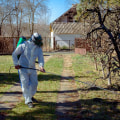
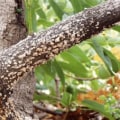
Tree diseases can have a profound impact on the health of individual trees and the broader ecosystem. These ailments, caused by a variety of factors including fungi, bacteria, and environmental stressors, can lead to significant decline in tree vitality. When left untreated, tree diseases not only threaten the life of the affected trees but can also disrupt local wildlife habitats and diminish the aesthetic value of landscapes. The importance of tree disease treatment cannot be overstated. Healthy trees play a crucial role in our environment by providing oxygen, improving air quality, and supporting biodiversity.
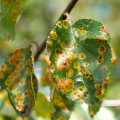
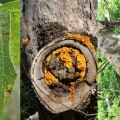
When trees succumb to disease, the ripple effects can be felt throughout the ecosystem. For instance, a single infected tree can become a breeding ground for pests that may spread to neighboring plants, leading to widespread damage. Therefore, recognizing the signs of tree diseases early and seeking professional treatment is essential for maintaining healthy urban and rural forests. Moreover, understanding the specific types of tree diseases prevalent in your area can empower you to take proactive measures. Whether it’s identifying symptoms like leaf discoloration or unusual growth patterns, being informed allows property owners to act swiftly.
Engaging with a qualified tree disease treatment professional ensures that you receive expert advice tailored to your specific situation, ultimately safeguarding your trees and enhancing the overall health of your landscape.
Key Qualifications to Look For
When seeking a professional for tree disease treatment, it is crucial to consider their qualifications to ensure effective care for your trees. Here are the key qualifications to look for:- Educational Background: A degree in forestry, horticulture, or a related field is essential. This educational foundation provides the necessary knowledge about tree biology, diseases, and treatment methods.
- Experience: Look for professionals with several years of hands-on experience in tree care. Experience allows them to recognize symptoms of tree diseases quickly and apply appropriate treatments effectively.
- Certifications: Various certifications can indicate a professional's expertise.
Key certifications to consider include:
- ISA Certified Arborist: This certification from the International Society of Arboriculture demonstrates a professional's knowledge in tree care and management.
- Tree Care Industry Association (TCIA) Accreditation: Accreditation from TCIA signifies that the company adheres to industry standards and best practices in tree care.
- Pest Management Certification: This certification ensures that the professional is knowledgeable about managing pests that can affect tree health.
- Continuing Education: The field of tree care is constantly evolving. A commitment to ongoing education through workshops, seminars, and courses indicates that the professional stays updated on the latest treatment techniques and research.
- References and Reviews: Always ask for references or check online reviews. Feedback from previous clients can provide insight into the professional's effectiveness and reliability in handling tree disease treatment.
Relevant Certifications in Tree Care
When seeking a professional for tree disease treatment, it is crucial to consider their qualifications and certifications. These credentials not only demonstrate a professional's knowledge but also their commitment to best practices in tree care.One of the most recognized certifications in the industry is the ISA (International Society of Arboriculture) certification.This certification indicates that the arborist has undergone rigorous training and has passed comprehensive exams covering various aspects of tree care, including tree disease management. An ISA-certified arborist is well-versed in identifying diseases, understanding their causes, and implementing effective treatment strategies.In addition to ISA certification, there are other relevant credentials that can enhance a professional's expertise:
- Tree Care Industry Association (TCIA) Accreditation: This accreditation signifies that a company adheres to industry standards for safety and quality in tree care services.
- Certified Arborist: This designation is awarded to individuals who have demonstrated knowledge in tree biology, diagnosis, and treatment of tree diseases.
- Board Certified Master Arborist: This is the highest level of certification offered by ISA, requiring extensive experience and knowledge in advanced tree care practices.
- Pest Management Certification: Professionals with this certification are trained in managing pests that can affect tree health, which is often a critical component of disease treatment.
Experience Matters: How to Evaluate a Professional's Background
When searching for a professional to handle tree disease treatment, evaluating their experience is crucial.A seasoned expert will not only have a wealth of knowledge but also practical skills honed over years in the field. Here are some key factors to consider:
- Years of Experience: Look for professionals who have been in the industry for several years. A minimum of five years is often a good benchmark, as it indicates they have encountered a variety of tree diseases and treatment scenarios.
- Types of Cases Handled: Inquire about the specific types of tree diseases they have treated. Professionals who have dealt with a wide range of issues, from fungal infections to pest infestations, are likely to be more adept at diagnosing and treating your trees effectively.
- Continuing Education: The field of arboriculture is constantly evolving.
Check if the professional participates in ongoing education or training programs. This commitment to learning can indicate their dedication to staying updated on the latest treatment methods and technologies.
Verify their credentials, certifications, and any affiliations with professional organizations. Membership in groups like the International Society of Arboriculture (ISA) can be a strong indicator of their commitment to high standards in tree care.
Understanding Treatment Methods and Approaches
When seeking a professional for tree disease treatment, it is essential to understand the various methods and approaches they may employ. The effectiveness of these treatments often hinges on the professional's qualifications and experience.Common Treatment Methods
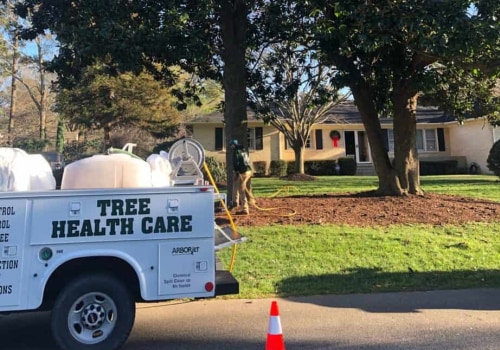
- Chemical Treatments: These involve the application of fungicides, insecticides, or other chemical agents to combat specific pathogens or pests affecting trees. Professionals should be certified in pesticide application to ensure safety and compliance with local regulations.
- Biological Control: This method utilizes natural predators or pathogens to manage tree diseases.
A qualified professional will have knowledge of ecological balance and the appropriate use of biological agents.
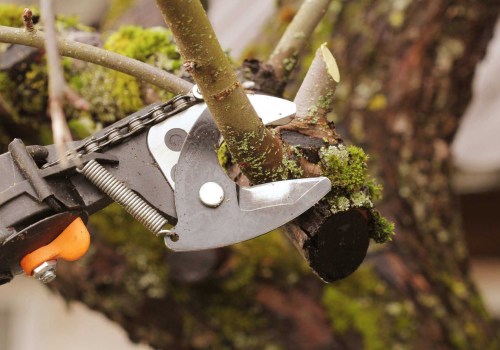
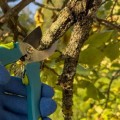
- Pruning and Sanitation: Removing infected branches and debris can significantly reduce disease spread. An expert should be trained in proper pruning techniques to minimize stress on the tree.
- Soil Management: Healthy soil promotes strong trees. Professionals should understand soil health, including nutrient management and pH levels, to support effective treatment.
Approaches to Treating Tree Diseases
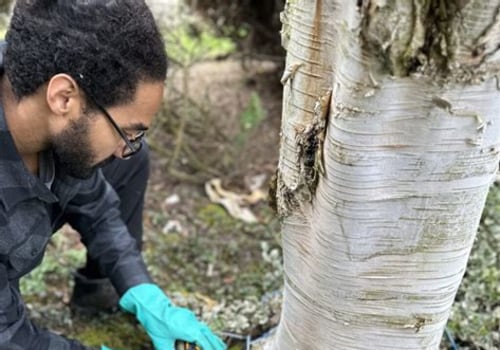
A comprehensive approach to tree disease treatment often combines several methods tailored to the specific disease and tree species. Professionals should conduct thorough assessments, including:- Diagnosis: Accurate identification of the disease is crucial.
Look for professionals who utilize diagnostic tools and techniques, such as laboratory testing or visual inspections.
- Integrated Pest Management (IPM): This holistic approach combines cultural, biological, and chemical practices to manage tree health sustainably. Professionals trained in IPM can provide more effective long-term solutions.
- Monitoring and Follow-Up: Effective treatment doesn’t end with application. Qualified professionals will schedule follow-up visits to monitor tree health and adjust treatments as necessary.
Questions to Ask Before Hiring a Tree Disease Treatment Professional
When considering hiring a tree disease treatment professional, asking the right questions can help you gauge their expertise and ensure your trees receive the best care possible.Here are some essential questions to consider:
- What qualifications do you have? Inquire about their educational background and any relevant certifications. Look for professionals who are certified arborists or have specialized training in tree disease treatment.
- Can you provide references? Requesting references from previous clients can give you insight into their work quality and customer satisfaction. A reputable professional should be able to provide testimonials or contact information for past clients.
- What is your experience with specific tree diseases? Different tree diseases require different treatment approaches. Ask about their experience with the specific diseases affecting your trees to ensure they have the necessary knowledge.
- What treatment methods do you recommend? Understanding their approach to tree disease treatment can help you assess whether their methods align with your expectations.
Look for professionals who use integrated pest management techniques and environmentally friendly solutions.
- How do you assess tree health? A qualified professional should have a systematic approach to evaluating tree health, including visual inspections and possibly diagnostic testing.
- What is your insurance coverage? Ensure that the professional carries liability insurance to protect you from potential damages or accidents that may occur during treatment.
- What are your rates and payment options? Discussing costs upfront can help avoid surprises later. Ask about their pricing structure and whether they offer payment plans or financing options.
The Importance of Insurance and Liability Coverage
When selecting a tree disease treatment professional, one of the most critical factors to consider is their insurance and liability coverage. This aspect not only protects the professional but also safeguards you as a homeowner from potential risks associated with tree care services.Why Insurance Matters
- Protection Against Accidents: Tree treatment can involve hazardous activities, such as climbing, cutting, and using heavy machinery. In the event of an accident, having a professional with adequate insurance ensures that any damages or injuries are covered.
- Liability Coverage: This type of insurance protects you from financial loss if the tree care professional accidentally damages your property or injures someone while performing their duties.
Without liability coverage, you could be held responsible for these costs.
- Peace of Mind: Knowing that your chosen expert is insured allows you to focus on the health of your trees without worrying about potential liabilities. It reflects professionalism and responsibility on the part of the service provider.
Types of Insurance to Look For
- General Liability Insurance: This is essential for any tree care professional, covering bodily injury and property damage that may occur during their work.
- Workers' Compensation: If the professional has employees, this insurance is crucial. It covers medical expenses and lost wages for workers injured on the job.
- Professional Liability Insurance: This protects against claims of negligence or failure to perform professional duties adequately, which can be particularly relevant in tree disease treatment scenarios.
Always ask for proof of insurance before hiring a tree care expert to ensure you are making a safe and informed choice.
Cost Considerations in Tree Disease Treatment Services
When considering tree disease treatment, understanding the cost factors involved is crucial for making an informed decision. The pricing for tree care services can vary significantly based on several key elements.Factors Influencing Cost
- Severity of the Disease: The extent of the tree's condition plays a major role in determining treatment costs. More severe diseases may require extensive intervention, leading to higher prices.
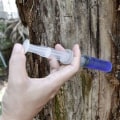
- Type of Treatment: Different treatments, such as injections, sprays, or soil amendments, come with varying costs. Specialized treatments for specific diseases may also be more expensive.
- Tree Size and Species: Larger trees or certain species that are more susceptible to diseases may incur higher treatment costs due to the complexity and time required for effective care.
- Professional Qualifications: Hiring a certified arborist or a tree care professional with advanced qualifications can influence pricing.
Their expertise often leads to more effective treatments, which can save money in the long run by preventing further damage.
- Location: Geographic location can affect service costs due to variations in labor rates and availability of qualified professionals.
Budgeting for Tree Care Services
When budgeting for tree disease treatment, it’s essential to consider not just the immediate costs but also the potential long-term benefits of investing in a qualified professional. While it might be tempting to opt for the cheapest service available, remember that quality often correlates with price. A well-qualified expert may charge more upfront but can provide a comprehensive treatment plan that addresses the root cause of the problem, potentially saving you from costly future interventions.In conclusion, understanding the various factors that influence the cost of tree disease treatment will help you make a more informed decision when hiring a professional. Always weigh the qualifications and experience of the service provider against their pricing to ensure you receive the best value for your investment.Conclusion: Making an Informed Decision on Tree Disease Treatment Professionals
In conclusion, selecting the right professional for tree disease treatment is crucial for the health and longevity of your trees.As we have discussed, the qualifications and certifications of a tree care expert can significantly impact the effectiveness of the treatment provided. Here are some key takeaways to consider:
- Certification and Licensing: Ensure that the professional holds relevant certifications, such as those from the International Society of Arboriculture (ISA) or local state certifications. These credentials indicate a level of expertise and commitment to industry standards.
- Experience: Look for professionals with a proven track record in diagnosing and treating tree diseases. Experience often correlates with better problem-solving skills and knowledge of various treatment methods.
- Specialization: Some tree care professionals may specialize in specific types of trees or diseases.
It’s beneficial to choose someone who has experience with the particular issues affecting your trees.
- References and Reviews: Don’t hesitate to ask for references or check online reviews. Feedback from previous clients can provide insight into the professional’s reliability and effectiveness.
- Integrated Pest Management (IPM) Approach: A qualified professional should utilize an IPM approach, focusing on sustainable practices that minimize harm to the environment while effectively managing tree diseases.