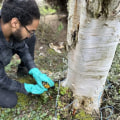
Tree diseases are a significant concern for both the environment and public health. As trees play a crucial role in our ecosystem, their health directly impacts air quality, biodiversity, and even climate regulation. However, the impact of tree diseases extends beyond the natural world; it raises questions about their potential effects on human and pet health. Understanding these diseases is essential for anyone who enjoys the outdoors or has pets that interact with trees. Many tree diseases are caused by pathogens such as fungi, bacteria, and viruses, which can weaken trees and make them more susceptible to other stressors.
While these diseases primarily affect trees, there is growing interest in how they might influence human health and the well-being of our furry companions. For instance, certain tree diseases can lead to the production of toxic compounds that may pose risks if inhaled or ingested. This connection highlights the importance of tree disease treatment not only for preserving our green spaces but also for safeguarding our health. As we delve deeper into this topic, it becomes clear that awareness and proactive measures are vital. By understanding the signs of tree diseases and their potential implications, we can take steps to protect ourselves and our pets from any adverse effects.
This knowledge empowers us to engage in effective tree disease treatment, ensuring that our environment remains healthy and safe for all living beings.
What Are Tree Diseases?
Tree diseases refer to a variety of conditions that affect the health and vitality of trees, often leading to decline or death if left untreated. These diseases can be caused by a range of factors, including fungi, bacteria, viruses, and environmental stressors. Understanding the nature of these diseases is essential for effective tree disease treatment.Types of Tree Diseases
- Fungal Infections: These are among the most common tree diseases, often manifesting as leaf spots, cankers, or root rot. Examples include powdery mildew and root rot.
- Bacterial Diseases: Caused by bacteria, these diseases can lead to wilting, leaf blight, and gumming.
Notable examples include bacterial blight and crown gall.
- Viral Infections: Though less common, viruses can severely impact tree health, causing stunted growth and discoloration. Examples include apple mosaic virus.
- Environmental Stress: Factors such as drought, poor soil conditions, and pollution can weaken trees, making them more susceptible to diseases.
Causes of Tree Diseases
The causes of tree diseases are multifaceted. They can arise from:- Pests: Insects like aphids and beetles can introduce pathogens or weaken trees, making them vulnerable to infections.
- Soil Conditions: Poor drainage or nutrient deficiencies can stress trees, leading to disease susceptibility.
- Weather Conditions: Extreme temperatures and humidity levels can create an environment conducive to disease spread.
- Cultural Practices: Improper pruning or overwatering can also contribute to the development of tree diseases.
Transmission of Tree Diseases: Can They Affect Humans?
When discussing tree disease treatment, a common concern arises: can these diseases be transmitted to humans? While trees can suffer from a variety of diseases caused by fungi, bacteria, and viruses, the transmission of these diseases to humans is generally rare.Most tree diseases are specific to plants and do not have the capability to infect humans. However, there are a few exceptions worth noting:
- Allergies: Some tree diseases can lead to the production of spores or other allergens that may affect human health. For instance, trees infected with certain fungal pathogens can release spores that trigger allergic reactions in sensitive individuals.
- Toxicity: Certain trees, when diseased, may produce toxic compounds. For example, the leaves of a diseased tree might become more toxic than healthy ones, posing a risk if ingested.
- Insect Vectors: Some tree diseases are spread by insects that can also affect humans.
For instance, the Asian longhorned beetle carries pathogens that can harm both trees and potentially impact human health indirectly through environmental changes.
Transmission of Tree Diseases: Can They Affect Pets?
When considering the transmission of tree diseases, many pet owners may wonder if these conditions can affect their furry companions.While most tree diseases are specific to plants and do not directly transmit to animals, there are certain circumstances where pets may be indirectly impacted.
Common Tree Diseases and Their Risks to Pets
- Oak Wilt: This disease affects oak trees and can lead to the production of toxic compounds in the leaves. If pets consume these leaves, they may experience gastrointestinal distress.
- Black Walnut Toxicity: The black walnut tree produces a substance called juglone, which is toxic to dogs and can cause symptoms such as vomiting, diarrhea, and lethargy if ingested.
- Yew Poisoning: While not a disease per se, yew trees can harbor toxins that are harmful to pets. Ingesting any part of the yew plant can lead to severe health issues, including cardiac arrest.
Preventive Measures
- Keep your pets away from areas with known toxic trees.
- Educate yourself about local flora and its potential effects on animal health.
- If you suspect your pet has ingested a toxic plant, contact your veterinarian immediately.
Awareness and preventive measures are key to ensuring the safety of your pets in environments with potentially harmful vegetation.
Common Tree Diseases and Their Symptoms
Understanding common tree diseases and their symptoms is crucial for maintaining the health of your trees and ensuring timely tree disease treatment. Here are some prevalent tree diseases along with their identifying symptoms:- Powdery Mildew: This fungal disease appears as a white, powdery substance on leaves and stems. Infected trees may show stunted growth and yellowing leaves.
- Root Rot: Caused by various fungi, root rot leads to wilting, yellowing leaves, and a general decline in tree vigor. A foul smell from the soil can also indicate this disease.
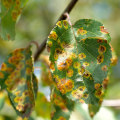
- Leaf Spot: Characterized by dark spots on leaves, this disease can lead to premature leaf drop.
It often results from fungal or bacterial infections.
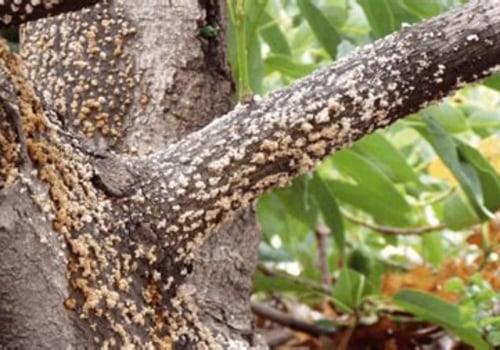
- Canker Diseases: These are localized areas of dead tissue on branches or trunks. Symptoms include sunken areas, oozing sap, and dieback of twigs or branches.
- Anthracnose: This fungal infection causes dark, sunken lesions on leaves and stems. It can lead to defoliation and is particularly common in wet conditions.
If you notice any of these symptoms, consult with a professional arborist for proper diagnosis and tree disease treatment.
Tree Disease Treatment Options
Managing tree diseases effectively is crucial not only for the health of the trees but also for the safety of humans and pets that may come into contact with them. There are several tree disease treatment options available, each tailored to specific types of diseases and their severity.Common Treatment Methods
- Cultural Practices: This involves improving the overall health of the tree through proper watering, fertilization, and pruning. Healthy trees are less susceptible to diseases.
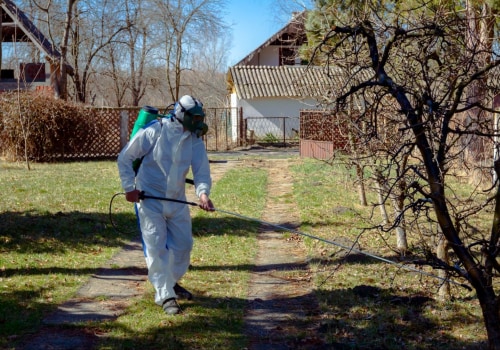
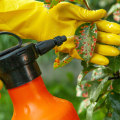
- Fungicides: For fungal infections, applying fungicides can be an effective way to control the spread. It's essential to follow the manufacturer's instructions for safe application.
- Pesticides: In cases where insects are the cause of tree diseases, targeted pesticide treatments can help eliminate the pests and prevent further damage.
- Biological Control: Utilizing beneficial organisms, such as certain bacteria or fungi, can help combat tree diseases naturally without harming the environment.
- Pruning: Removing infected branches or leaves can prevent the spread of disease to healthy parts of the tree and other nearby plants.
Consulting with a certified arborist can provide valuable insights into effective treatments tailored to your situation. Additionally, maintaining a regular care routine can significantly reduce the risk of disease recurrence.
Effective treatments for trees
not only restore their health but also mitigate potential risks associated with diseased trees. For instance, some tree diseases can produce spores or toxins that may pose health risks to humans and pets. Therefore, timely intervention is essential in safeguarding both your landscape and your loved ones.In conclusion, understanding and implementing appropriate tree disease treatment options is vital for maintaining a healthy environment.By taking proactive measures, you can ensure that your trees thrive while minimizing any potential health hazards.
Preventing Tree Diseases: Best Practices for Homeowners
Preventing tree diseases is essential for maintaining the health of your landscape and protecting your family and pets. Here are some best practices that homeowners can implement to minimize the risk of tree diseases:- Choose the Right Trees: Select tree species that are well-suited to your local climate and soil conditions. Native trees are often more resilient to local pests and diseases.
- Regular Inspections: Conduct routine checks on your trees for any signs of disease, such as discolored leaves, unusual growths, or bark abnormalities. Early detection is key to effective tree disease treatment.
- Proper Watering: Ensure that your trees receive adequate water, especially during dry spells.
However, avoid overwatering, as this can lead to root rot and other moisture-related diseases.
- Mulching: Apply a layer of organic mulch around the base of your trees. This helps retain moisture, suppress weeds, and improve soil health, which can reduce the likelihood of disease.
- Pruning: Regularly prune dead or diseased branches to improve air circulation and sunlight penetration. This practice not only promotes healthy growth but also helps prevent the spread of diseases.
- Pest Control: Monitor for pests that can weaken trees and make them more susceptible to diseases. Use integrated pest management (IPM) techniques to control infestations without harming beneficial insects.
- Avoid Wounding Trees: Be cautious when using lawn equipment near trees.
Avoid damaging the bark, as wounds can serve as entry points for pathogens.
Frequently Asked Questions About Tree Diseases and Health Risks
When it comes to tree diseases, many people wonder about the potential health risks they pose to humans and pets. Here are some frequently asked questions that can help clarify these concerns.Can tree diseases affect human health?
Generally, tree diseases do not directly transmit to humans. However, certain conditions can lead to the production of harmful spores or toxins that may cause allergic reactions or respiratory issues in sensitive individuals.For example, trees infected with fungal diseases can release spores into the air, which might trigger asthma or other allergies.
Are pets at risk from tree diseases?
Similar to humans, pets are not typically at risk from tree diseases. However, some trees can produce toxic substances that may harm animals if ingested. For instance, the leaves of certain trees like black walnut and yew are known to be toxic to dogs and cats. It's essential for pet owners to be aware of the types of trees in their vicinity and monitor their pets' behavior around them.What should I do if I suspect a tree disease?
If you notice signs of a tree disease, such as unusual leaf discoloration or bark lesions, it’s crucial to consult with a certified arborist or tree care professional.They can provide an accurate diagnosis and recommend appropriate tree disease treatment. Early intervention can prevent further damage and reduce any potential health risks associated with the disease.
Can I get sick from handling infected trees?
While handling trees affected by disease is generally safe, it’s wise to take precautions. Wear gloves when touching infected areas and wash your hands thoroughly afterward. This is especially important if you have allergies or respiratory issues.In summary, while tree diseases themselves are not typically transmissible to humans or pets, awareness and caution are key in managing any potential risks associated with them.Conclusion: Key Takeaways on Tree Diseases and Health Implications
In conclusion, understanding the relationship between tree diseases and their potential impact on human and pet health is crucial for both safety and environmental stewardship.While most tree diseases are not directly transmissible to humans or pets, certain conditions can lead to secondary effects that may pose risks. For instance, some tree diseases can attract pests such as insects or fungi that may carry pathogens harmful to humans or animals. Additionally, the use of chemical treatments for tree diseases can have implications for health if not handled properly. It is essential to follow safety guidelines when applying tree disease treatment products to minimize exposure.
Key Points to Remember
- Tree diseases primarily affect plant health and are not typically contagious to humans or pets.
- Indirect effects, such as pest attraction or chemical exposure, can pose health risks.
- Proper management and treatment of tree diseases are vital for maintaining a safe environment.
- Consulting with a professional arborist can provide guidance on effective tree disease treatment while ensuring safety for all living beings in the vicinity.