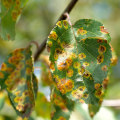
Understanding tree diseases is essential for any tree owner or enthusiast. Trees, like all living organisms, are susceptible to a variety of ailments that can affect their health and longevity. These diseases can be caused by a range of factors, including fungi, bacteria, viruses, and environmental stressors. Recognizing the different types of tree diseases is the first step in ensuring the vitality of your trees. Common tree diseases include root rot, which often manifests as wilting leaves and stunted growth, and leaf spot, characterized by dark spots on foliage.
Other notable conditions include canker diseases, which can lead to dieback in branches, and powdery mildew, which creates a white powdery coating on leaves. Each of these diseases presents unique symptoms that can help in their identification. Symptoms of tree diseases can vary widely but often include discoloration of leaves, unusual growth patterns, and premature leaf drop. Understanding these signs is crucial for early detection and treatment. By familiarizing yourself with the common symptoms associated with various tree diseases, you can take proactive measures to protect your trees from further damage.
This foundational knowledge not only aids in diagnosis but also sets the stage for effective tree disease treatment, ensuring your trees remain healthy and vibrant for years to come.
Identifying Tree Diseases
Identifying tree diseases is a crucial first step in tree disease treatment. Early detection can significantly improve the chances of recovery and minimize damage to your trees. Here are some key methods and signs to look for when diagnosing tree health.Visual Inspection
Begin with a thorough visual inspection of the tree. Look for the following signs:- Discoloration: Leaves that are yellowing, browning, or showing unusual spots may indicate a problem.
- Wilting: If leaves or branches appear droopy or wilted, this could be a sign of stress or disease.
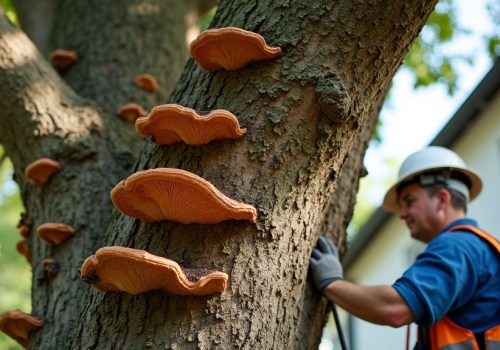
- Fungal Growth: The presence of mushrooms or other fungal growth on the trunk or soil can suggest root rot or other fungal infections.
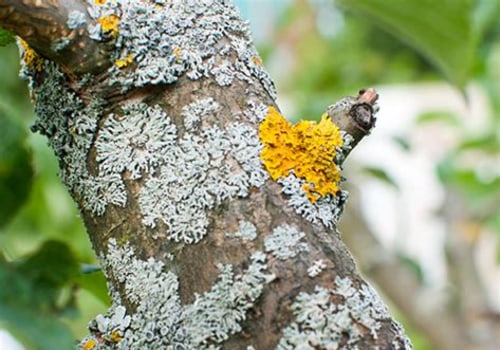
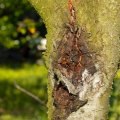
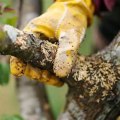
- Bark Damage: Cracks, peeling, or oozing sap from the bark can indicate serious issues such as cankers or insect infestations.
Symptoms of Tree Disease
In addition to visual signs, pay attention to other symptoms that may indicate a tree is suffering from a disease:- Premature Leaf Drop: If leaves are falling off earlier than usual, it may signal a health issue.
- Stunted Growth: Trees that are not growing as expected may be struggling with disease.
- Pest Infestation: An increase in pests can often be a secondary symptom of underlying tree health problems.
Diagnostic Methods
If visual inspection raises concerns, consider more advanced diagnostic methods:- Soil Testing: Analyzing soil quality can reveal nutrient deficiencies that affect tree health.
- Tissue Analysis: Sending samples of leaves or bark to a lab can help identify specific pathogens.
- Professional Consultation: When in doubt, consulting an arborist can provide expert insights into diagnosing and treating tree diseases.
Remember, accurate identification is essential for successful intervention and recovery.
Common Tree Diseases and Their Treatments
Understanding common tree diseases is crucial for effective tree disease treatment. Here are some prevalent diseases and their recommended treatments:Oak Wilt
Oak wilt is a serious fungal disease affecting oak trees, leading to rapid decline and death. The primary treatment involves:- Preventive Measures: Avoid pruning during the growing season to minimize exposure to beetles that spread the fungus.
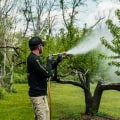
- Fungicide Application: Apply a systemic fungicide to healthy trees in the vicinity of infected ones.
- Tree Removal: Infected trees should be removed and properly disposed of to prevent further spread.
Root Rot
Root rot, often caused by overwatering or poor drainage, can devastate tree health. Treatment options include:- Improve Drainage: Ensure proper soil drainage by amending the soil with organic matter or installing drainage systems.
- Fungicides: Use fungicides specifically designed for root rot, applied according to label instructions.
- Tree Replacement: In severe cases, it may be necessary to remove and replace the affected tree.
Powdery Mildew
Powdery mildew is a fungal disease characterized by white powdery spots on leaves.Effective treatments include:
- Cultural Practices: Increase air circulation around trees by proper spacing and pruning.
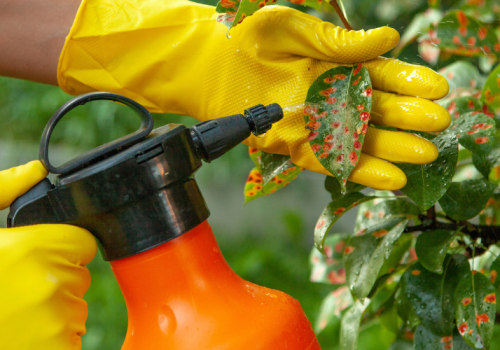
- Fungicidal Sprays: Apply fungicides early in the season as a preventive measure or at the first sign of infection.
- Resistant Varieties: Consider planting tree varieties that are resistant to powdery mildew in the future.
Preventive Measures for Tree Health
Maintaining the health of your trees is crucial in preventing tree diseases. By implementing a few simple yet effective tree care tips, you can significantly reduce the risk of infections and ensure your trees thrive.Regular Inspections
Conducting regular inspections of your trees is one of the best preventive measures. Look for signs of distress such as:- Discoloration of leaves
- Wilting or drooping branches
- Unusual growths, like galls or fungi
- Pest infestations
Proper Watering Techniques
Watering is vital for tree health, but it must be done correctly.Overwatering can lead to root rot, while underwatering can stress the tree. Aim to:
- Water deeply and infrequently, allowing the soil to dry out between sessions.
- Use mulch around the base to retain moisture and regulate soil temperature.
Nutrient Management
Providing your trees with the right nutrients is essential for their resilience against diseases. Consider:- Soil testing to determine nutrient deficiencies.
- Applying organic fertilizers that promote healthy growth.
- Avoiding chemical fertilizers that can harm beneficial soil organisms.
Pruning and Maintenance
Regular pruning helps maintain tree structure and health. Focus on:- Removing dead or diseased branches to prevent the spread of disease.
- Thinning out crowded areas to improve air circulation.
- Smoothing cuts to promote faster healing.
When to Seek Professional Help
Determining when to seek professional help for tree disease treatment can be crucial for the health of your trees and the overall landscape.While some minor issues can be managed with DIY methods, there are specific scenarios where consulting an expert is advisable.
- Severe Symptoms: If you notice significant symptoms such as large areas of dead bark, extensive leaf drop, or unusual growths like cankers or galls, it’s time to call in a professional. These signs often indicate serious underlying issues that require expert diagnosis.
- Multiple Trees Affected: When multiple trees in your yard show signs of disease, it may suggest a systemic problem. An arborist can assess the situation and recommend appropriate tree disease treatment strategies to prevent further spread.
- Uncertain Diagnosis: If you’re unsure about the type of disease affecting your tree, an arborist can provide a precise diagnosis. Misidentifying a tree disease can lead to ineffective treatments and wasted resources.
- Invasive Pests: The presence of pests such as borers or aphids can complicate tree health.
Professionals have access to advanced treatments and can implement integrated pest management strategies that are safe and effective.
- Tree Size and Location: Large trees or those located near structures may pose safety risks during treatment. Professionals have the equipment and expertise to handle these situations safely.
Frequently Asked Questions about Tree Disease Treatment
When it comes to tree disease treatment, many homeowners and gardeners have questions about how to effectively manage and treat their trees.Here are some of the most frequently asked questions:
- What are the signs of tree disease?Look for symptoms such as discolored leaves, wilting, unusual growths, or bark that is peeling or oozing. These can indicate that your tree is suffering from a disease.
- How can I prevent tree diseases?Regular maintenance is key. Ensure proper watering, pruning, and fertilization. Additionally, keeping the area around the tree clean and free of debris can help prevent the spread of diseases.
- Is it possible to treat a tree disease at home?Yes, many minor tree diseases can be treated with home remedies or over-the-counter products.
However, for severe cases, consulting a professional arborist is recommended.
- What types of treatments are available for sick trees?Treatments vary depending on the disease but may include fungicides, insecticides, or even biological control methods. Always follow label instructions and consider organic options when possible.
- When should I seek professional help?If you notice significant decline in your tree's health or if the disease appears to be spreading rapidly, it’s best to consult an arborist who can provide a proper diagnosis and treatment plan.
Conclusion: Key Takeaways on Treating Tree Diseases
In conclusion, effectively managing tree disease treatment is crucial for maintaining the health and longevity of your trees. Understanding the specific type of disease affecting your tree is the first step in implementing an effective treatment plan.Here are some key takeaways to remember:
- Early Detection is Vital: Regularly inspect your trees for signs of disease, such as discoloration, wilting leaves, or unusual growth patterns. Early intervention can significantly improve the chances of recovery.
- Identify the Disease: Accurate identification of the disease is essential. Consult with a certified arborist or use reliable resources to determine the specific pathogen or pest affecting your tree.
- Choose Appropriate Treatments: Depending on the diagnosis, treatments may include organic solutions, chemical fungicides, or insecticides. Always follow label instructions and consider environmentally friendly options when possible.
- Promote Tree Health: Strengthening your tree's overall health through proper watering, fertilization, and pruning can enhance its resilience against diseases.
Healthy trees are better equipped to fend off infections.
- Monitor Progress: After treatment, keep a close eye on your tree's recovery. Document any changes and be prepared to adjust your approach if necessary.