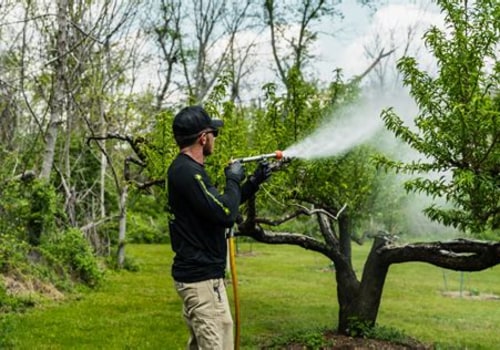
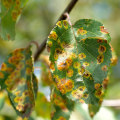
Tree diseases can significantly impact the health and longevity of trees, leading to a decline in their vitality and aesthetic appeal. Understanding tree diseases is crucial for any tree owner or enthusiast, as these conditions can arise from various factors, including pathogens, environmental stressors, and improper care. The effects of these diseases can range from minor leaf discoloration to severe structural damage, ultimately threatening the tree's survival. When it comes to tree disease treatment, there are several options available, depending on the type and severity of the disease. Treatments may include the application of fungicides, insecticides, or even biological control methods that utilize beneficial organisms to combat harmful pathogens.
Additionally, cultural practices such as proper watering, pruning, and fertilization play a vital role in supporting tree health and preventing disease outbreaks. However, addressing a tree disease is not merely a one-time effort; it often requires ongoing maintenance and follow-up treatments to ensure the tree's recovery and resilience. Regular monitoring for signs of disease recurrence and implementing preventive measures can make a significant difference in maintaining the health of your trees. In this article, we will explore the various types of tree diseases, their treatments, and the importance of continuous care in safeguarding your trees against future threats.
The Importance of Post-Treatment Care
After successfully treating a tree disease, the journey to restoring your tree's health is far from over.Post-treatment care
is essential for ensuring that the tree not only recovers but also thrives in the long term.Neglecting this phase can lead to a recurrence of the disease or even new health issues.One of the primary reasons for ongoing maintenance is the potential for recurrence. Many tree diseases are caused by pathogens that can remain in the soil or on the tree itself, waiting for the right conditions to re-emerge. Regular monitoring and follow-up treatments can help catch any signs of returning disease early, allowing for prompt action.Additionally, maintaining overall tree health is crucial. A tree that has recently undergone treatment may be weakened and more susceptible to other stressors such as pests, environmental changes, or nutrient deficiencies.
Implementing a comprehensive care plan can bolster its defenses:
- Regular Inspections: Schedule periodic checks to look for any signs of distress or disease.
- Nutrient Management: Ensure the tree receives adequate nutrients through proper fertilization and soil management.
- Watering Practices: Maintain appropriate watering schedules, especially during dry spells, to support recovery.
- Pest Control: Monitor for pests that may target weakened trees and take action as needed.
Common Maintenance Practices After Tree Disease Treatment
After successfully treating a tree disease, ongoing maintenance is crucial to ensure the tree's recovery and long-term health. Implementing specific practices can significantly enhance the effectiveness of the treatment and help prevent future issues.Regular Inspections
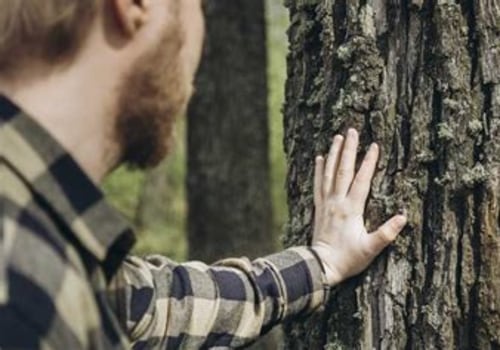
Conducting regular inspections of the treated tree is essential.Look for any signs of recurring disease, such as discoloration, wilting leaves, or unusual growth patterns. Early detection allows for prompt action, which can be vital in preventing a relapse.
Watering Practices
Proper watering is another critical aspect of post-treatment care. Ensure that the tree receives adequate moisture, especially during dry spells. However, avoid overwatering, as this can lead to root rot and other complications.A deep watering once a week is often sufficient, depending on the tree species and local climate conditions.
Fertilization
Applying a balanced fertilizer can support the tree's recovery by providing essential nutrients. Choose a fertilizer that is appropriate for the specific type of tree and follow the recommended application rates. Fertilization should typically occur in early spring or late fall, allowing the tree to absorb nutrients during its active growth periods.Pest and Disease Monitoring
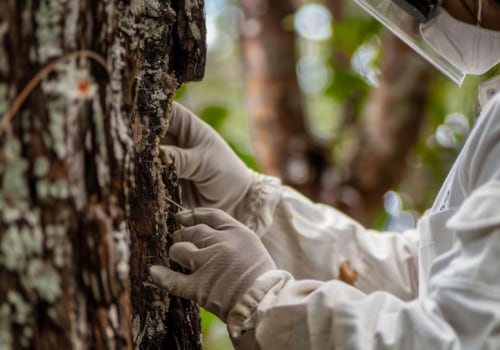
After treatment, it’s important to monitor for pests that may exploit a weakened tree. Regularly check for insects or signs of new diseases.If you notice any issues, consult with an arborist or a local extension service for advice on appropriate pest control measures.
Mulching
Applying a layer of organic mulch around the base of the tree can help retain moisture, suppress weeds, and improve soil quality as it decomposes. Ensure that the mulch is not piled against the trunk to prevent moisture buildup that could lead to decay.By following these maintenance practices, you can significantly enhance your tree's chances of recovery after tree disease treatment. Consistent care will not only help your tree regain its strength but also contribute to its overall vitality in the long run.Signs of Recurrence: What to Look For
After treating a tree disease, it is crucial to remain vigilant for signs of recurrence. Early detection can make a significant difference in managing tree health and preventing further damage.Here are some key indicators to monitor:
- Leaf Discoloration: Yellowing or browning leaves can signal stress or a return of disease. Pay attention to any unusual color changes, especially if they occur suddenly.
- Wilting or Dropping Leaves: If leaves begin to wilt or drop prematurely, it may indicate that the tree is struggling. This can be a sign of underlying issues, including the potential return of disease.
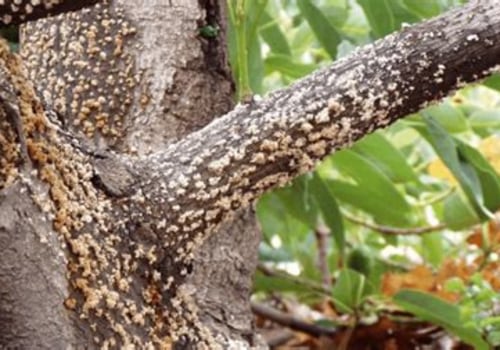
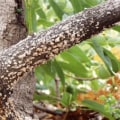
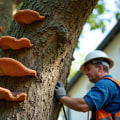
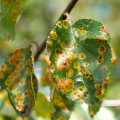
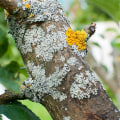
- Unusual Growths: Look for abnormal growths such as galls, cankers, or fungal fruiting bodies on the bark or leaves. These can be indicators of specific diseases that may have returned.
- Pest Infestations: A resurgence of pests can often accompany tree diseases.
Monitor for signs of insects, such as holes in leaves or sticky residue on branches.
- Conducting visual inspections every few weeks during the growing season.
- Keeping a journal of any changes observed in the tree's appearance or health.
- Consulting with an arborist for professional assessments if you notice concerning symptoms.
When to Seek Professional Help After Treatment
After treating a tree disease, monitoring the health of your trees is crucial. However, there are specific scenarios where seeking professional tree care becomes necessary to ensure the long-term vitality of your trees.Signs That Indicate Professional Help is Needed
- Persistent Symptoms: If symptoms of the disease, such as discoloration, wilting, or unusual growth patterns, continue to appear despite treatment, it may be time to call an arborist.
- New Growth Issues: If you notice stunted growth or dieback in new shoots, this could indicate that the tree is still struggling and requires expert intervention.
- Pest Infestations: Sometimes, tree diseases can attract pests.
If you observe an increase in insect activity or signs of infestation, a professional can help manage both the pests and the underlying disease.
- Structural Concerns: If the tree shows signs of structural weakness, such as leaning or cracks in the trunk, it’s essential to consult an expert to assess the risk of falling.
Choosing a Qualified Arborist
Selecting the right professional is key to effective post-treatment care. Here are some tips for finding a qualified arborist:- Check Credentials: Look for certified arborists who have undergone training and possess knowledge about tree health and maintenance.
- Read Reviews: Online reviews and testimonials can provide insight into the experiences of other customers and the quality of service offered.
- Ask for References: A reputable arborist should be able to provide references from previous clients who had similar issues.
- Get Multiple Quotes: Don’t hesitate to seek quotes from several professionals to compare services and pricing.
Frequently Asked Questions About Tree Disease Treatment Follow-Up
After treating a tree disease, many homeowners have questions about the necessary follow-up care to ensure the health of their trees. Here are some frequently asked questions regarding ongoing maintenance and treatments:What kind of follow-up treatments are needed?
Follow-up treatments can vary depending on the type of tree disease that was treated.Generally, it is essential to monitor the tree for any signs of recurring symptoms. In some cases, additional applications of fungicides or insecticides may be required to prevent reinfection or infestation. Consulting with an arborist can provide tailored recommendations based on the specific disease.
How often should I inspect my trees after treatment?
Regular inspections are crucial. It is advisable to check your trees every few weeks during the growing season for any signs of distress, such as wilting leaves, discoloration, or unusual growth patterns.Early detection can make a significant difference in managing potential issues.
Are there specific care practices I should follow?
- Watering: Ensure your trees receive adequate water, especially during dry spells, as stress can make them more susceptible to diseases.
- Fertilization: A balanced fertilizer may help strengthen your trees, but avoid over-fertilizing, which can lead to further complications.
- Pruning: Remove any dead or infected branches promptly to improve air circulation and reduce the risk of disease spread.
What if I notice new symptoms?
If you observe new symptoms after treatment, it is crucial to act quickly. Contact a professional arborist who can assess the situation and recommend further action. This may include additional treatments or a different approach to care. In summary, ongoing maintenance after tree disease treatment is vital for ensuring the long-term health of your trees. Regular inspections, proper watering and fertilization, and timely interventions can help keep your trees thriving.Conclusion: Ensuring Long-Term Tree Health After Disease Treatment
In conclusion, addressing tree disease treatment is only the first step in ensuring the long-term health of your trees.After successfully treating a tree for disease, ongoing maintenance and follow-up care are crucial to prevent recurrence and promote recovery. Regular monitoring is essential. Keep an eye on your trees for any signs of stress or new symptoms that may indicate a return of the disease. Early detection can make a significant difference in managing potential issues before they escalate.
- Routine Inspections: Schedule periodic inspections to assess the overall health of your trees. Look for changes in leaf color, growth patterns, or bark condition.
- Proper Watering: Ensure that your trees receive adequate water, especially during dry spells.
However, avoid overwatering, as this can lead to root rot and other complications.
- Nutrient Management: Consider soil testing to determine if your trees require additional nutrients. Fertilization can help strengthen trees and improve their resilience against future diseases.
- Pest Control: Monitor for pests that may exploit weakened trees. Implement integrated pest management strategies to protect your trees from infestations.
By prioritizing long-term tree health, you contribute to a healthier ecosystem and enhance the beauty of your landscape.