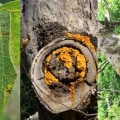
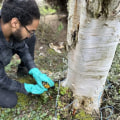
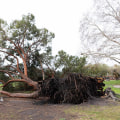
Trees are vital components of our ecosystems, providing shade, beauty, and habitat for countless species. However, like any living organism, they are susceptible to a variety of tree diseases that can threaten their health and longevity. From fungal infections to bacterial blights, these ailments can manifest in numerous ways, often leading to visible symptoms such as wilting leaves, discolored bark, or stunted growth. Understanding the nature of these diseases is crucial for any tree owner or caretaker. When faced with a diseased tree, many individuals turn to tree disease treatment options to restore their plants to health.
Among these treatments, chemical treatments for trees are commonly employed due to their effectiveness in combating specific pathogens. These chemicals can range from fungicides to insecticides, each designed to target particular issues. However, the use of such treatments raises important questions about their safety—not only for the trees themselves but also for the surrounding environment and human health. As we delve deeper into the world of tree disease management, it is essential to weigh the benefits of chemical treatments against potential risks. Are these solutions truly safe? What precautions should be taken when applying them? By exploring these questions, we can better understand how to protect our trees while ensuring the safety of our ecosystems and communities.
Understanding Tree Diseases
Understanding tree diseases is essential for effective tree disease treatment.Trees can suffer from a variety of diseases, each with distinct symptoms and causes. Recognizing these factors is crucial for selecting the right treatment options.
Types of Tree Diseases
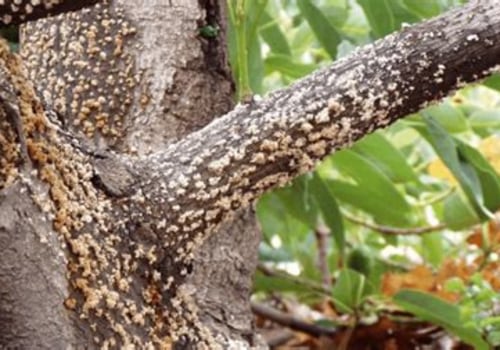
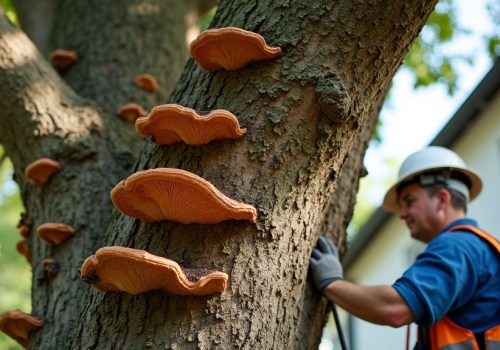
- Fungal Infections: These are among the most common tree diseases, often manifesting as leaf spots, cankers, or root rot.
- Bacterial Diseases: Bacteria can cause gumming, wilting, and leaf blight, significantly affecting tree health.
- Viral Infections: Though less common, viruses can lead to stunted growth and mottled leaves.
- Nutritional Deficiencies: While not a disease in the traditional sense, deficiencies can lead to symptoms that mimic disease, such as yellowing leaves.
Symptoms of Tree Diseases
Identifying the symptoms of tree diseases is vital for timely intervention. Common symptoms include:- Discoloration: Leaves may turn yellow, brown, or exhibit unusual patterns.
- Wilting: Affected trees may show signs of stress through drooping leaves or branches.
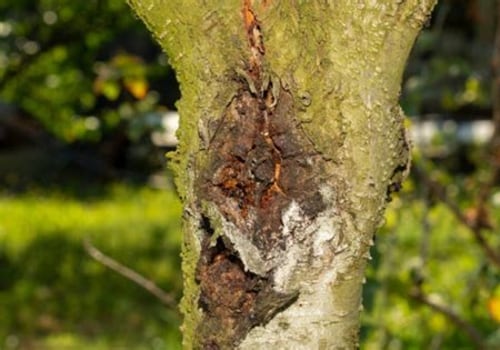
- Cankers: These are sunken areas on the bark that indicate localized damage.
- Premature Leaf Drop: Trees may shed their leaves earlier than expected due to stress or disease.
Causes of Tree Diseases
The causes of tree diseases can be multifaceted. Some common factors include:- Pests: Insects can introduce pathogens or weaken trees, making them more susceptible to diseases.
- Environmental Stress: Factors such as drought, flooding, or extreme temperatures can compromise tree health.
- Poor Soil Conditions: Nutrient-poor or compacted soil can hinder root development and overall vitality.
- Lack of Maintenance: Neglecting regular care can lead to an accumulation of stressors that promote disease development.
Overview of Chemical Treatments for Trees
When it comes to managing tree diseases, chemical treatments can play a crucial role in restoring the health of affected trees.These treatments are designed to target specific pathogens, pests, or nutrient deficiencies that compromise tree vitality. Understanding the various types of chemical treatments available and how they function is essential for effective tree disease management.
Types of Chemical Treatments
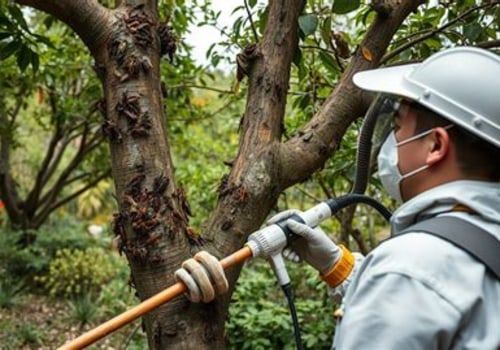
- Pesticides: These are used to control insect infestations and diseases caused by fungi or bacteria. Systemic pesticides are absorbed by the tree and provide internal protection.
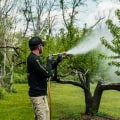
- Fungicides: Specifically formulated to combat fungal infections, fungicides can be applied as sprays or drenches to prevent or treat diseases like root rot and leaf spot.
- Herbicides: While primarily used for weed control, certain herbicides can help manage competition for nutrients and water, indirectly benefiting tree health.
- Nutritional Supplements: Chemical treatments that provide essential nutrients, such as nitrogen or potassium, can help trees recover from stress and improve overall resilience.
How Chemical Treatments Work
The effectiveness of chemical treatments largely depends on their mode of action. For instance, systemic treatments work by being absorbed into the tree's vascular system, allowing them to circulate and provide protection from within.This is particularly useful for treating diseases that affect the inner tissues of the tree.On the other hand, contact treatments remain on the surface of the tree and are effective against external pests and pathogens. These treatments often require repeated applications to maintain efficacy, especially during peak disease seasons.It is important to note that while chemical treatments can be beneficial, they should be used judiciously. Over-reliance on chemicals can lead to resistance in pests and pathogens, making future treatments less effective. Therefore, integrating chemical treatments with cultural practices—such as proper watering, pruning, and mulching—can enhance overall tree health and reduce disease incidence.
Evaluating the Safety of Chemical Treatments
When considering chemical treatments for trees affected by diseases, it is crucial to evaluate the safety of these interventions.While chemical treatments can be effective in managing tree diseases, they also come with potential risks that need careful consideration.Risks to Trees One of the primary concerns is the potential for chemical treatments to harm the trees themselves. Some chemicals can cause phytotoxicity, which may lead to leaf burn, stunted growth, or even tree death if not applied correctly. It is essential to follow the manufacturer's instructions and consult with a certified arborist to determine the appropriate dosage and application method.Environmental Impact The environmental impact of tree disease treatments cannot be overlooked. Chemicals can leach into the soil and affect surrounding plants, insects, and wildlife.
For instance, certain pesticides may harm beneficial insects like bees and ladybugs, which play a vital role in pollination and pest control. Additionally, runoff from treated areas can contaminate local water sources, posing risks to aquatic life.Mitigating Risks To mitigate these risks, consider using integrated pest management (IPM) strategies that combine chemical treatments with cultural practices such as proper watering, pruning, and selecting disease-resistant tree varieties. This holistic approach not only enhances tree health but also minimizes reliance on chemicals. In conclusion, while chemical treatments can be a valuable tool in managing tree diseases, their safety must be carefully evaluated. By understanding the potential risks to both trees and the environment, you can make informed decisions that promote healthy trees and ecosystems.
Alternatives to Chemical Treatments
When it comes to treating tree diseases, many tree owners are seeking natural alternatives to chemical treatments.These methods not only promote a healthier ecosystem but also minimize the risk of harming beneficial organisms in the soil and surrounding environment.
Natural Tree Disease Treatments
One effective approach is the use of biological control agents. These are natural predators or pathogens that can help manage tree diseases. For instance, introducing beneficial fungi or bacteria can outcompete harmful pathogens, thereby reducing disease incidence. Additionally, compost tea, made from steeping compost in water, can introduce beneficial microorganisms to the soil, enhancing tree health.Organic Alternatives to Chemical Treatments
Another option is the application of organic fungicides, which are derived from natural sources.Products containing ingredients like neem oil or potassium bicarbonate can effectively combat fungal infections without the harsh effects of synthetic chemicals. Furthermore, maintaining proper tree care practices such as pruning and watering can significantly improve a tree's resilience against diseases.
Non-Chemical Methods for Treating Trees
Cultural practices play a crucial role in preventing and managing tree diseases. Ensuring adequate air circulation through proper spacing and pruning can reduce humidity levels around trees, making it less favorable for disease development. Additionally, mulching with organic materials not only conserves moisture but also suppresses weeds that may harbor pests and diseases.In conclusion, while chemical treatments may offer quick solutions for tree disease treatment, exploring these natural and organic alternatives can lead to sustainable tree health and a thriving ecosystem.By adopting these methods, tree owners can contribute to a healthier environment while effectively managing tree diseases.
Best Practices for Using Chemical Treatments Safely
When it comes to tree disease treatment, applying chemical treatments safely is crucial for both the health of the tree and the surrounding environment. Here are some best practices to follow:- Identify the Disease: Before applying any treatment, accurately diagnose the tree's disease. Consult with a certified arborist or use reliable resources to ensure you are treating the correct issue.
- Choose the Right Product: Select a chemical treatment specifically designed for the identified disease. Read labels carefully to understand the active ingredients and their effects on different tree species.
- Follow Manufacturer Instructions: Always adhere to the application guidelines provided by the manufacturer.
This includes dosage, timing, and method of application to ensure effectiveness and safety.
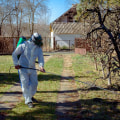
- Wear Protective Gear: When handling chemical treatments, wear appropriate protective equipment such as gloves, masks, and goggles to minimize exposure to harmful substances.
- Avoid Application During Adverse Weather: Do not apply treatments during windy or rainy conditions, as this can lead to drift or runoff, reducing effectiveness and potentially harming other plants or wildlife.
- Monitor Environmental Impact: Be aware of nearby water sources and sensitive areas. Avoid applying chemicals near ponds, streams, or gardens where beneficial insects may be affected.
- Timing is Key: Apply treatments at the right time of year for maximum effectiveness. Many diseases have specific life cycles that can influence when treatments should be applied.
- Document Treatments: Keep a record of all treatments applied, including dates, products used, and observed results. This information can help in future management decisions.
Remember that responsible use of chemicals not only benefits your trees but also contributes to a healthier ecosystem.
Frequently Asked Questions about Tree Disease Treatment
When it comes to tree disease treatment, many homeowners have questions about the safety and effectiveness of chemical treatments. Here are some frequently asked questions that can help clarify these concerns.What are the common chemical treatments for tree diseases?
Common chemical treatments include fungicides, insecticides, and herbicides. These products are designed to target specific pathogens or pests that affect tree health. It's essential to choose a treatment that is appropriate for the specific disease affecting your tree.Are chemical treatments safe for my trees?
When used correctly, most chemical treatments are safe for trees.However, it is crucial to follow the manufacturer's instructions regarding dosage and application methods. Over-application or improper use can harm the tree and surrounding environment.
Can chemical treatments harm beneficial insects?
Yes, some chemical treatments can negatively impact beneficial insects such as bees and ladybugs. To minimize this risk, consider applying treatments during times when these insects are less active, such as early morning or late evening. Additionally, look for products labeled as bee-friendly.How can I ensure the safety of my family and pets during treatment?
- Read labels: Always read the product label for safety precautions.
- Keep distance: Keep children and pets away from treated areas until they are dry.
- Use protective gear: Wear gloves and masks if recommended during application.
Are there natural alternatives to chemical treatments?
Yes, there are several natural alternatives available, such as neem oil, garlic spray, and compost tea.These options can be effective against certain diseases while being less harmful to beneficial organisms.In conclusion, while chemical treatments can be effective in managing tree diseases, it is essential to consider their impact on the environment and non-target species. Always weigh the benefits against potential risks and consult with a professional arborist if you have concerns.
Conclusion: Making Informed Decisions on Tree Disease Treatment
In conclusion, navigating the complexities of tree disease treatment requires a careful balance between understanding the potential benefits and the inherent risks associated with chemical treatments. As we have discussed, while these treatments can effectively combat certain diseases, they also come with a set of considerations that must not be overlooked.Key Takeaways:
- Effectiveness: Chemical treatments can provide rapid relief from tree diseases, potentially saving trees that might otherwise succumb to infections.
- Environmental Impact: The use of chemicals can have unintended consequences on local ecosystems, affecting beneficial insects and soil health.
- Resistance Development: Over-reliance on chemical treatments may lead to resistance in pathogens, making future treatments less effective.
- Integrated Approaches: Combining chemical treatments with cultural practices and biological controls often yields the best results for long-term tree health.
By weighing the pros and cons of chemical interventions against alternative methods, you can contribute to a healthier ecosystem while safeguarding your trees from disease.