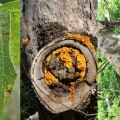
Tree diseases are a significant concern for both urban and rural landscapes, affecting not only the aesthetic value of our environment but also the overall health of ecosystems. These diseases can arise from various factors, including pathogens such as fungi, bacteria, and viruses, as well as environmental stressors like drought or pollution. Understanding the prevalence of tree diseases is crucial for anyone who values the beauty and functionality of trees in their surroundings. The impact of tree diseases can be profound, leading to weakened structures, reduced growth, and even tree mortality. Infected trees can become a liability, posing risks to property and public safety.
Moreover, the spread of disease can affect neighboring plants, creating a ripple effect that compromises entire landscapes. Therefore, maintaining tree health is not just about aesthetics; it is essential for preserving biodiversity and ensuring the longevity of our green spaces. As we delve deeper into the topic of tree disease treatment, it becomes evident that proactive measures are necessary to mitigate these risks. One such measure is pruning or trimming, which can play a pivotal role in managing tree health. By removing infected branches and improving air circulation, pruning not only helps in treating existing conditions but also serves as a preventive strategy against future outbreaks.
This introduction sets the stage for exploring how effective pruning techniques can contribute to healthier trees and more resilient landscapes.
Understanding Tree Diseases
Understanding tree diseases is essential for effective tree disease treatment. Trees can suffer from a variety of diseases, each with distinct symptoms and causes. Recognizing these factors can help determine when pruning or trimming is necessary to manage or prevent further issues.Types of Tree Diseases
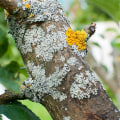
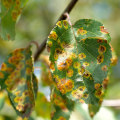
- Fungal Infections: These are among the most common tree diseases, often manifesting as leaf spots, cankers, or root rot.
- Bacterial Diseases: Symptoms may include wilting, leaf blight, and gumming. Bacterial infections can spread rapidly in wet conditions.
- Viral Infections: While less common, viruses can cause stunted growth and discoloration in leaves.
- Nutrient Deficiencies: Not a disease per se, but deficiencies can lead to symptoms that mimic disease, such as yellowing leaves or poor growth.
Symptoms of Tree Diseases
Identifying the symptoms of tree diseases is crucial for timely intervention.Common signs include:
- Discoloration: Yellowing or browning leaves can indicate stress or disease.
- Wilting: Affected trees may show signs of wilting even when soil moisture is adequate.
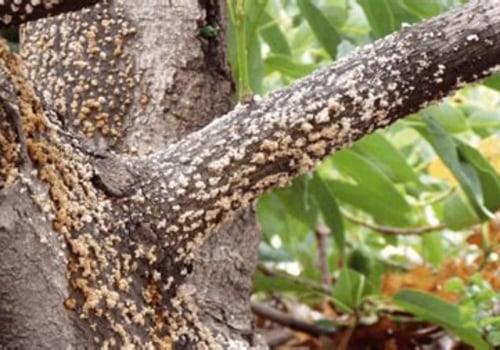
- Cankers: These are sunken areas on the bark that can indicate fungal or bacterial infections.
- Leaf Drop: Premature leaf drop can signal underlying health issues.
Causes of Tree Diseases
The causes of tree diseases are varied and can include:- Poor Soil Conditions: Compacted soil or nutrient-poor environments can weaken trees, making them more susceptible to disease.
- Pests: Insects can introduce pathogens or weaken trees, leading to disease.
- Environmental Stress: Factors such as drought, flooding, or extreme temperatures can compromise tree health.
- Lack of Pruning: Overgrown branches can create a humid environment conducive to fungal growth and other diseases.
The Science Behind Pruning and Trimming
Understanding the science behind pruning and trimming is essential for effective tree disease treatment. These practices not only enhance the aesthetic appeal of trees but also play a crucial role in maintaining their health and resilience against diseases.Pruning Techniques
There are several pruning techniques that can be employed, each serving a specific purpose:- Thinning: This involves selectively removing branches to improve air circulation and light penetration, which can help reduce the risk of fungal infections.
- Heading: Cutting back branches to a bud or lateral branch encourages new growth and can help rejuvenate older trees.
- Reduction: This technique reduces the size of a tree while maintaining its natural shape, which can prevent damage from heavy winds and storms.
Benefits of Pruning
The benefits of pruning extend beyond mere aesthetics:- Disease Prevention: By removing dead or diseased branches, you can limit the spread of pathogens that may compromise the tree's health.
- Improved Airflow: Enhanced airflow through the canopy reduces humidity levels, making it less conducive for disease development.
- Encouraged Growth: Pruning stimulates new growth, allowing trees to recover from stress and become more vigorous.
How Pruning Works
The process of pruning works by influencing the tree's natural growth patterns. When a branch is cut, it triggers a response in the tree to redirect energy towards remaining healthy branches. This not only promotes stronger growth but also enhances the tree's ability to resist diseases.Additionally, proper pruning techniques can help maintain a balanced structure, reducing the likelihood of branch breakage and subsequent exposure to pathogens.In conclusion, understanding and implementing effective pruning techniques is vital for anyone looking to improve their trees' health and longevity. By incorporating these practices into your tree care routine, you can significantly enhance your efforts in tree disease treatment.
How Pruning Can Prevent Tree Diseases
Pruning is a vital practice in tree disease treatment that can significantly enhance the health and longevity of trees. By removing dead, damaged, or diseased branches, pruning not only improves the aesthetic appeal of the tree but also plays a crucial role in preventing the onset of tree diseases.One of the primary benefits of proper pruning is the improvement of air circulation. When branches are overcrowded, moisture can become trapped within the canopy, creating a humid environment that is conducive to fungal growth and other pathogens.By selectively thinning out branches, you allow for better airflow, which helps to dry out wet areas and reduces the likelihood of disease.Additionally, pruning enhances sunlight exposure. Trees that receive adequate sunlight are generally healthier and more vigorous. Sunlight helps to strengthen the tree's natural defenses against diseases. When branches are pruned to allow light penetration, it encourages healthy growth and can lead to increased production of foliage and flowers.Moreover, regular pruning can help maintain a tree's overall vigor.
A vigorous tree is better equipped to resist diseases and pests. By focusing on disease-resistant trees, you can further enhance your landscape's resilience. Selecting species known for their resistance to specific diseases can be complemented by good pruning practices to ensure they thrive.In summary, effective pruning techniques are essential for preventing tree diseases. By improving air circulation, enhancing sunlight exposure, and promoting overall tree vigor, you create an environment that is less hospitable to pathogens.
Regular maintenance through pruning not only protects your trees but also contributes to a healthier ecosystem.
Best Practices for Pruning to Manage Tree Diseases
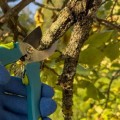
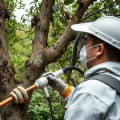
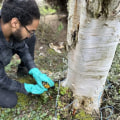
Pruning is a vital practice in managing tree diseases, as it helps to remove infected branches and improve air circulation, which can significantly reduce the spread of pathogens. Here are some best practices to consider when pruning your trees:- Use the Right Tools: Ensure you have sharp, clean tools such as pruning shears, loppers, and saws. Disinfect your tools with a solution of 10% bleach or rubbing alcohol between cuts to prevent the spread of disease.
- Timing is Key: The best time to prune most trees is during their dormant season, typically late winter to early spring. This timing minimizes stress on the tree and reduces the risk of disease transmission.
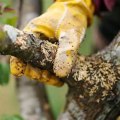
- Remove Dead or Diseased Wood: Always start by removing any dead, damaged, or diseased branches.
Cut back to healthy tissue, making clean cuts at a slight angle to promote healing.
- Avoid Over-Pruning: While it may be tempting to remove a lot of foliage, over-pruning can weaken the tree and make it more susceptible to diseases. Aim to remove no more than 25% of the tree’s canopy in a single season.
- Maintain Proper Shape: Prune to maintain a balanced shape that allows sunlight and air to penetrate the canopy. This helps reduce moisture buildup, which can foster fungal growth.
If you notice any unusual symptoms, consult with an arborist for further evaluation and management strategies.
Common Misconceptions About Pruning and Tree Diseases
When it comes to tree disease treatment, many misconceptions about pruning can lead to ineffective practices and even harm to the trees. Understanding these myths is crucial for proper tree care.- Myth 1: Pruning always makes trees healthier. While pruning can remove dead or diseased branches, excessive or improper pruning can stress the tree and make it more susceptible to diseases. It's essential to prune only when necessary and at the right time of year.
- Myth 2: All tree diseases can be cured by pruning. This is not true. Some diseases, especially those caused by pathogens that affect the root system, cannot be treated through pruning alone.
In such cases, a combination of methods, including soil treatment and proper watering, may be required.
- Myth 3: Pruning is a one-time solution. Tree care is an ongoing process. Regular monitoring and maintenance are necessary to ensure that trees remain healthy. Pruning should be part of a comprehensive tree disease treatment plan that includes regular inspections and appropriate interventions.
For instance, late winter or early spring is often the best time for most trees, as it minimizes stress and encourages healthy growth. Understanding the specific needs of each tree species is vital for effective care. In conclusion, debunking these common myths about pruning can lead to better decision-making in tree disease treatment. By approaching tree care with accurate information, you can help ensure the longevity and health of your trees.
Frequently Asked Questions About Tree Disease Treatment and Pruning
When it comes to tree disease treatment, many homeowners have questions about the effectiveness of pruning and trimming. Here are some frequently asked questions that can help clarify these concerns.How does pruning help in treating tree diseases?
Pruning can be an effective method for managing tree diseases.By removing infected branches, you can:
- Reduce the spread of pathogens to healthy parts of the tree.
- Improve air circulation, which helps to dry out wet areas that may harbor fungi.
- Enhance sunlight penetration, promoting healthier growth and reducing stress on the tree.
What types of pruning are best for disease management?
There are several pruning techniques that can be beneficial:- Thinning: This involves selectively removing branches to improve airflow and light exposure.
- Crown cleaning: Removing dead or diseased branches helps prevent further infection.
- Crown raising: This technique removes lower branches to reduce competition for resources.
Can pruning be harmful to trees?
While pruning is beneficial, improper techniques can harm trees. Over-pruning or cutting during the wrong season can stress the tree and make it more susceptible to diseases. Always consult with a certified arborist if you're unsure about the best practices.When is the best time to prune trees for disease prevention?
The ideal time for pruning varies by species, but generally, late winter or early spring is recommended. This timing minimizes stress on the tree and reduces the risk of disease spread, as many pathogens are less active during colder months.If you have further questions about tree disease treatment and how pruning can play a role, consider reaching out to local experts or arborists who can provide tailored advice based on your specific situation.Conclusion: The Importance of Pruning in Tree Health Management
In conclusion, pruning plays a vital role in the overall health management of trees, particularly in the context of tree disease treatment.By removing dead, diseased, or damaged branches, we not only enhance the aesthetic appeal of our trees but also significantly reduce the risk of disease spread. This proactive approach is essential for maintaining tree vitality and longevity.Throughout this article, we have explored how regular pruning can:
- Improve air circulation: Properly pruned trees allow for better airflow, which helps to dry out wet foliage and reduces the likelihood of fungal infections.
- Enhance sunlight penetration: Thinning out dense canopies ensures that sunlight reaches all parts of the tree, promoting healthy growth and reducing shaded areas where diseases can thrive.
- Facilitate early detection: Regular inspections during pruning sessions enable tree care professionals to identify early signs of disease, allowing for timely intervention.
- Encourage healthy growth: By focusing energy on fewer branches, trees can allocate resources more effectively, leading to stronger and more resilient structures.