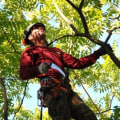
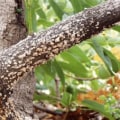
Tree diseases can have a profound impact on not only the individual trees but also the surrounding ecosystem. Understanding tree diseases is crucial for maintaining healthy landscapes and ensuring the longevity of our green spaces. These diseases can arise from various sources, including fungi, bacteria, and viruses, each presenting unique challenges for tree health. As these pathogens spread, they can weaken trees, making them more susceptible to pests and environmental stressors. Identifying the symptoms of tree diseases early is essential for effective tree disease treatment.
Common signs include discolored leaves, unusual growth patterns, and premature leaf drop. When these symptoms appear in multiple trees within an area, it may indicate that a disease has spread beyond its initial host. This not only threatens the affected trees but can also disrupt local wildlife habitats and reduce biodiversity. Moreover, understanding the types of tree diseases prevalent in your region can empower homeowners and arborists alike to take proactive measures. Regular monitoring and assessment of tree health can lead to early detection, allowing for timely intervention.
By recognizing the signs of disease spread, we can implement appropriate treatment strategies to protect our trees and preserve the ecological balance they support.
Common Signs of Tree Disease Spread
Identifying the spread of tree disease in your landscape is crucial for effective tree disease treatment. Here are some common signs that indicate a tree disease has affected not just one tree, but potentially others in the vicinity:- Discoloration of Leaves: One of the first signs of tree disease is the yellowing or browning of leaves. If multiple trees in an area exhibit similar leaf discoloration, it may indicate a shared pathogen.
- Wilting and Dropping Leaves: Trees suffering from disease may show signs of wilting or premature leaf drop. If you notice this happening across several trees, it could suggest a systemic issue.
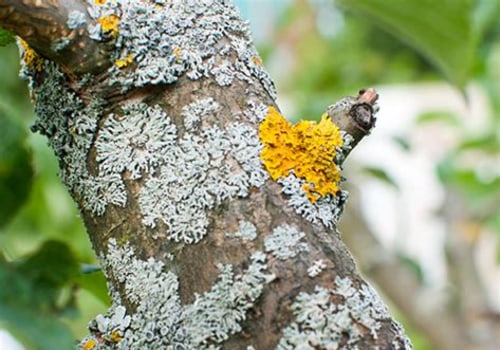
- Unusual Growths: Look for abnormal growths such as galls, cankers, or fungal fruiting bodies on the bark or leaves.
These can be indicators of specific diseases that may spread to neighboring trees.
- Pest Infestations: A sudden increase in pests like aphids or borers can signal that trees are stressed due to disease. Pests often target weakened trees, and their presence on multiple trees can indicate a larger problem.
- Fungal Spores: The appearance of fungal spores on the bark or surrounding soil can be a clear sign of tree disease. If you see these spores on several trees, it’s likely that the disease has spread.
- Stunted Growth: Trees that are not growing as expected may be suffering from a disease that affects their overall health. If several trees show stunted growth, it’s essential to investigate further.
Early detection and treatment can help prevent further spread and protect the health of your entire landscape. Consulting with an arborist or tree care professional can provide valuable insights into appropriate tree disease treatment options.
Visual Symptoms to Look For
Identifying the visual symptoms of tree disease is crucial for early intervention and effective tree disease treatment. When a tree disease spreads, it often manifests through various noticeable signs that can affect not just one tree but potentially an entire area. Here are some key symptoms to watch for:- Leaf Discoloration: One of the first signs of tree disease is often leaf discoloration.
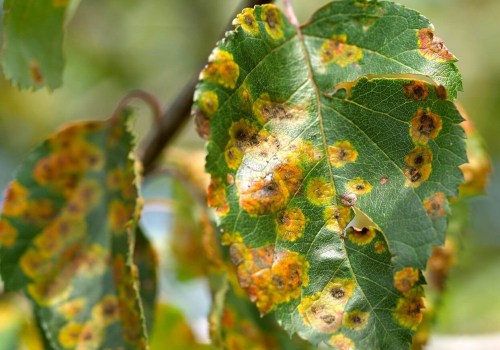
Healthy leaves typically exhibit vibrant colors, while diseased trees may show yellowing, browning, or even black spots. This discoloration can indicate nutrient deficiencies or the presence of pathogens.
- Wilting: If you notice leaves that are wilting or drooping despite adequate watering, this could be a sign of a more serious issue. Wilting can result from root damage caused by disease, leading to impaired water uptake.
- Bark Abnormalities: Changes in the bark texture or appearance can also signal tree disease. Look for cracks, peeling, or oozing sap.
These abnormalities may indicate that the tree is under stress or infected with a pathogen.
- Fungal Growth: The presence of fungi, such as mushrooms or conks, on the trunk or roots can be a clear indicator of decay and disease. This growth often suggests that the tree is compromised and may be at risk of further spreading the disease.
- Premature Leaf Drop: If trees are shedding their leaves earlier than usual, it could be a sign of stress due to disease. This symptom is particularly concerning if multiple trees in the vicinity exhibit similar behavior.
Behavioral Changes in Trees
When assessing the health of trees in your area, behavioral changes can serve as critical indicators of potential tree disease spread. These changes often manifest in various ways, affecting not only individual trees but also the surrounding ecosystem.Growth Patterns
One of the first signs of tree distress is a noticeable alteration in growth patterns.Trees that are typically robust may exhibit stunted growth or uneven canopies. If you observe that several trees in proximity are growing at a slower rate than usual, it could indicate that a tree disease is taking hold. This is particularly concerning if the affected trees belong to the same species, as it suggests a shared vulnerability.
Fruit Production
Another significant indicator of tree health is fruit production. Healthy trees generally produce a consistent yield each season.If you notice a sudden decline in fruit quantity or quality across multiple trees, this could be a sign of stress due to disease. For instance, trees may produce smaller fruits or fail to bear fruit altogether when affected by pathogens.
Overall Health Indicators
In addition to growth and fruiting patterns, other signs of stress in trees include:- Leaf Discoloration: Yellowing or browning leaves can indicate nutrient deficiencies or disease.
- Bark Damage: Cracks, peeling, or oozing sap from the bark may suggest infection.
- Pest Infestation: An increase in pests can be a secondary effect of weakened trees.
Environmental Factors Contributing to Disease Spread
Understanding the environmental factors that contribute to the spread of tree diseases is crucial for effective management and treatment. Several key elements can significantly influence how quickly and widely a disease can affect trees in a given area.Humidity Effects on Trees
High humidity levels can create an ideal environment for many pathogens, including fungi and bacteria, to thrive.When the air is saturated with moisture, it can lead to increased leaf wetness, which facilitates the spread of spores from infected trees to healthy ones. This is particularly evident in regions with frequent rainfall or high humidity, where diseases like powdery mildew and leaf spot can proliferate rapidly.
Soil Conditions and Tree Health
The quality of the soil plays a vital role in tree health and susceptibility to disease. Poor soil conditions, such as compaction, low nutrient levels, or improper pH balance, can weaken trees, making them more vulnerable to infections. Additionally, contaminated soil can harbor pathogens that directly infect tree roots or enter through wounds.Regular soil testing and amendments can help maintain optimal conditions for tree health.
Proximity to Infected Trees
The spatial arrangement of trees also affects disease spread. Trees that are planted too closely together may experience increased competition for resources, leading to stress and making them more susceptible to diseases. Furthermore, if one tree in a cluster becomes infected, the close proximity allows pathogens to easily transfer to neighboring trees through wind, water runoff, or even insect vectors.In summary, monitoring environmental factors such as humidity levels, soil conditions, and the proximity of trees is essential for early detection and effective tree disease treatment. By addressing these factors proactively, tree owners can help mitigate the risk of widespread disease outbreaks in their landscapes.Preventive Measures for Tree Disease Management
Preventing the spread of tree diseases is crucial for maintaining the health of your landscape.Implementing effective tree disease prevention strategies can significantly reduce the risk of infection and promote overall tree vitality. Here are some actionable tips to help you manage tree health:
- Regular Inspections: Conduct routine checks on your trees for any signs of disease, such as discolored leaves, unusual growths, or wilting. Early detection is key to effective management.
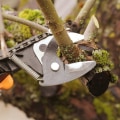
- Proper Pruning: Remove dead or infected branches promptly to prevent the spread of disease. Ensure that you use clean, sharp tools to minimize injury to the tree.
- Water Management: Avoid overwatering, as this can create a favorable environment for pathogens.
Instead, water deeply but infrequently to encourage strong root development.
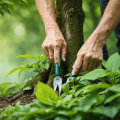
- Soil Health: Maintain healthy soil by adding organic matter and ensuring proper drainage. Healthy soil supports robust tree growth and resilience against diseases.
- Pest Control: Monitor for pests that can weaken trees and make them more susceptible to diseases. Use integrated pest management (IPM) techniques to control infestations without harming beneficial organisms.
- Disease-Resistant Varieties: When planting new trees, consider selecting species or varieties known for their resistance to common local diseases.
Treatment Options for Infected Trees
When dealing with tree disease treatment, it is crucial to act swiftly to prevent further spread and ensure the health of your trees.Here are some effective treatment options for infected trees:
- Pruning: One of the first steps in treating infected trees is to prune away any dead or diseased branches. This not only helps to remove the source of infection but also improves air circulation, which can aid in recovery.
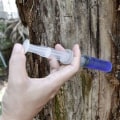
- Fungicides: For fungal infections, applying a suitable fungicide can be an effective treatment. Be sure to choose a product that is specifically designed for the type of fungus affecting your tree and follow the application instructions carefully.
- Insecticides: If pests are contributing to the tree's disease, using insecticides can help control the infestation. Targeting the specific insects responsible for the damage is essential for effective treatment.
- Soil Treatments: Sometimes, tree diseases are linked to soil conditions.
Amending the soil with organic matter or using soil treatments can improve overall tree health and resilience against diseases.
- Water Management: Ensuring that your trees receive adequate water without overwatering is vital. Implementing proper irrigation techniques can help reduce stress on trees and make them less susceptible to diseases.
When to Call a Professional Arborist
Recognizing when to call a professional arborist is crucial for the health of your trees and the surrounding ecosystem.If you suspect that a tree disease has spread to other trees in your area, it’s essential to act quickly. Here are some signs that indicate it may be time to seek professional help:
- Visible Symptoms: If you notice unusual leaf discoloration, wilting, or premature leaf drop on multiple trees, these could be signs of a spreading disease.
- Tree Decline: A general decline in tree health, such as stunted growth or dieback in branches, can indicate that a disease is affecting not just one tree but potentially others nearby.
- Pest Infestation: An increase in pests, such as bark beetles or aphids, can be a sign that trees are stressed due to disease, making them more susceptible to infestations.
- Fungal Growth: The presence of mushrooms or fungal growth at the base of trees or on their trunks can indicate root rot or other serious diseases that may spread to neighboring trees.
- Disease Diagnosis: Arborists can accurately diagnose the type of disease affecting your trees and recommend appropriate treatment options.
- Tree Pruning: Removing infected branches can help prevent the spread of disease to healthy parts of the tree and other nearby trees.
- Pest Management: Professionals can implement pest control measures to protect your trees from further damage.
- Soil Treatment: Arborists may also provide soil treatments to improve tree health and resilience against diseases.
Frequently Asked Questions about Tree Diseases and Treatment
Understanding tree diseases and their treatment is crucial for maintaining the health of your landscape.Here are some frequently asked questions that can help clarify common concerns.
What are the signs of tree disease?
Tree diseases can manifest in various ways. Look for the following signs:- Discoloration of leaves: Yellowing, browning, or spots on leaves can indicate a problem.
- Wilting or drooping: Trees that appear limp may be suffering from root issues or disease.
- Unusual growths: Galls, cankers, or fungal growths on the bark are often signs of infection.
- Excessive leaf drop: If a tree is shedding leaves prematurely, it may be under stress from disease.
How can I tell if a tree disease has spread to other trees?
If you suspect that a tree disease has spread, monitor nearby trees for similar symptoms. Key indicators include:- Proximity: Diseases often spread through root systems or airborne spores, so check trees within a close radius.
- Similar symptoms: If multiple trees exhibit the same signs of distress, it’s likely that the disease has spread.
What treatments are available for tree diseases?
Treatment options vary depending on the type of disease. Common methods include:- Cultural practices: Improving soil health and watering practices can help trees recover.
- Pesticides and fungicides: These can be effective against specific pathogens but should be used judiciously.
- Pruning: Removing infected branches can prevent further spread and promote healthier growth.
Consulting with an arborist can provide tailored advice for effective tree disease treatment.
Conclusion: Key Takeaways on Tree Disease Awareness and Treatment
In conclusion, being vigilant about the signs of tree disease is crucial for maintaining the health of not just individual trees but entire ecosystems. Recognizing early symptoms can significantly enhance the effectiveness of tree disease treatment and prevent widespread damage. Here are some key takeaways to keep in mind:- Monitor Tree Health: Regularly inspect your trees for any unusual changes, such as leaf discoloration, wilting, or unusual growth patterns.
- Look for Signs of Spread: If you notice multiple trees exhibiting similar symptoms, it may indicate that a disease has spread. Pay attention to the proximity of affected trees.
- Consult Professionals: If you suspect a tree disease outbreak, consult with an arborist or tree care professional. They can provide accurate diagnoses and recommend appropriate treatment options.
- Implement Preventive Measures: Healthy trees are less susceptible to diseases.
Ensure proper watering, pruning, and fertilization practices to strengthen tree resilience.
- Community Awareness: Share information with neighbors about tree health. A community approach can help in early detection and management of tree diseases.