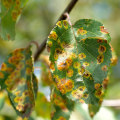
Understanding tree diseases is essential for any tree owner or enthusiast. Trees, much like humans, can fall victim to a variety of ailments that can compromise their health and longevity. These diseases can stem from various sources, including fungi, bacteria, viruses, and environmental stressors. Recognizing the different types of tree diseases is the first step in effective management and treatment. Common symptoms of tree diseases include discolored leaves, wilting, stunted growth, and unusual growths such as galls or cankers.
For instance, a tree suffering from powdery mildew may exhibit a white powdery substance on its leaves, while a tree affected by root rot might show signs of yellowing foliage and premature leaf drop. Understanding these symptoms not only helps in identifying infected trees but also aids in determining the appropriate tree disease treatment.Moreover, the impact of these diseases can vary significantly depending on the species of tree and the specific pathogen involved. Some trees may be more resilient to certain diseases, while others may succumb quickly. This variability underscores the importance of early detection and intervention.
By familiarizing yourself with the signs and types of tree diseases, you empower yourself to take proactive measures to protect your trees and maintain a healthy landscape.
Identifying Infected Trees
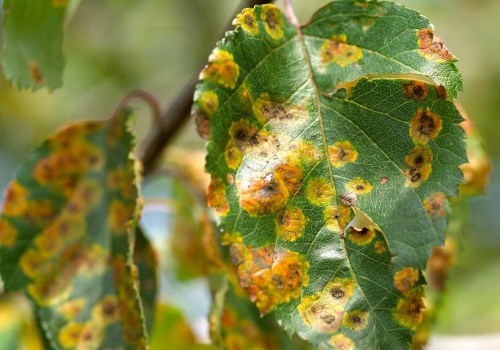
Identifying infected trees is crucial for effective tree disease treatment. Early detection can prevent the spread of disease to healthy trees and ensure that appropriate measures are taken. Here are some key signs and symptoms to look for:- Discoloration of Leaves: One of the first signs of infection is a change in leaf color. Look for yellowing, browning, or spots on the leaves, which may indicate a fungal or bacterial infection.
- Wilting or Dropping Leaves: If leaves are wilting or falling prematurely, this could be a sign of stress due to disease.
Pay attention to trees that lose their leaves out of season.
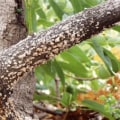
- Unusual Growths: Check for galls, cankers, or other abnormal growths on the trunk and branches. These can be indicators of specific diseases that require immediate attention.
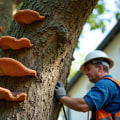
- Fungal Growth: The presence of mushrooms or fungal bodies at the base of the tree or on its bark can signal decay and infection. This is often a sign that the tree is compromised.
- Cracked Bark: Look for cracks or splits in the bark, which can expose the tree to pathogens and pests. This damage may also indicate underlying health issues.
A tree that appears stunted in growth or has an unusual number of dead branches may be suffering from a disease. To confirm your suspicions, you may want to consult with an arborist who can provide a professional diagnosis.By being vigilant and recognizing these signs early, you can take appropriate action for tree disease treatment, whether it involves treatment options or safe disposal methods for severely infected trees.
Precautions When Handling Infected Trees
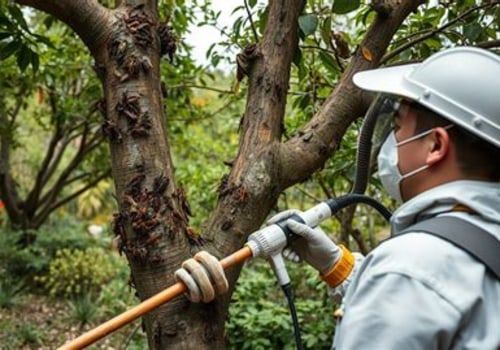
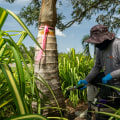
When dealing with infected trees, it is crucial to take specific precautions to protect yourself and prevent the spread of tree diseases. Here are some essential safety measures to consider:- Personal Protective Equipment (PPE): Always wear appropriate PPE when handling infected trees. This includes gloves, masks, goggles, and long sleeves to minimize skin contact and inhalation of spores or pathogens.
- Sanitization: Before and after handling infected trees, sanitize your tools and equipment.
Use a solution of bleach or alcohol to disinfect saws, pruners, and any other tools that may come into contact with the infected material.
- Avoid Contact with Healthy Trees: When working with infected trees, be mindful not to touch healthy trees or plants. This can help prevent the transfer of pathogens from infected to healthy specimens.
- Proper Disposal: Dispose of infected tree material properly. Do not compost infected wood or leaves, as this can lead to further spread of the disease. Instead, follow local guidelines for disposal, which may include burning or burying the material.
- Monitor Symptoms: After handling infected trees, monitor yourself for any symptoms of illness.
If you experience unusual symptoms, consult a healthcare professional.
Disposing of Infected Trees Safely
When it comes to disposing of infected trees, following proper guidelines is crucial to prevent the spread of tree diseases. Here are some effective methods and precautions to consider:- Assess the Infection: Before disposal, determine the type of disease affecting the tree. This information can guide you in choosing the most appropriate disposal method.
- Do Not Burn: Burning infected trees may seem like a quick solution, but it can release spores and pathogens into the air, potentially infecting nearby healthy trees.
- Chipping: If the tree is not severely infected, chipping the wood can be an effective way to dispose of it.
Ensure that the chips are not used as mulch in your garden, as they may still harbor pathogens.
- Landfill Disposal: For severely infected trees, transporting them to a landfill is often the safest option. This method ensures that the disease does not spread to other plants or trees.
- Follow Local Regulations: Always check with local authorities regarding regulations for disposing of infected trees. Some areas may have specific guidelines or facilities for handling diseased plant material.
After handling, wash your tools and equipment thoroughly to eliminate any traces of disease.By adhering to these safe disposal methods, you can help maintain a healthy environment and reduce the risk of further infections in your landscape.
Treatment Options for Infected Trees
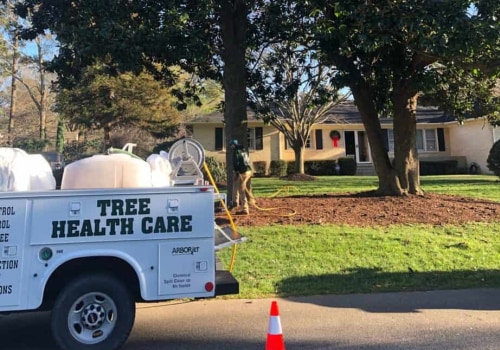
When it comes to tree disease treatment, understanding the available options is crucial for effectively managing infected trees. Here are some common treatment methods:- Chemical Treatments: These include fungicides and insecticides specifically designed to combat tree diseases. It’s essential to select products that are labeled for the specific disease affecting your tree. Always follow the manufacturer’s instructions for application rates and timing to minimize harm to beneficial organisms.
- Organic Solutions: For those looking for environmentally friendly options, organic treatments can be effective.
Products containing neem oil, baking soda, or copper-based solutions can help manage fungal infections and pests without harsh chemicals.
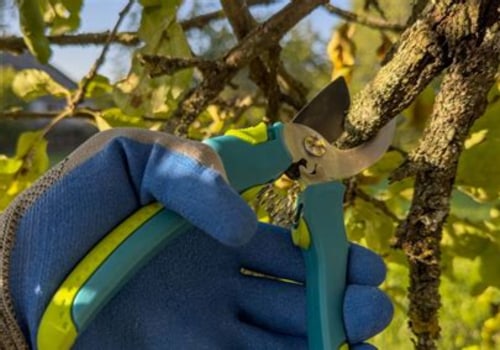
- Pruning: Removing infected branches or limbs can significantly improve the health of the tree. This method not only helps in controlling the spread of disease but also allows for better air circulation and sunlight penetration, which are vital for recovery.
- Soil Management: Healthy soil promotes strong trees. Incorporating organic matter, ensuring proper drainage, and avoiding overwatering can help prevent diseases from taking hold.
However, exploring all tree disease treatment options first can often lead to successful recovery.
Frequently Asked Questions About Tree Disease Treatment
When it comes to tree disease treatment, handling and disposing of infected trees requires careful consideration to prevent the spread of pathogens and protect surrounding vegetation. Here are some common questions and answers regarding precautions you should take:What precautions should I take when handling infected trees?
- Wear Protective Gear: Always wear gloves, masks, and goggles when handling infected trees to protect yourself from potential pathogens.
- Avoid Contact with Healthy Trees: Keep infected materials away from healthy trees to minimize the risk of spreading the disease.
- Use Clean Tools: Ensure that all tools used for pruning or cutting are sterilized before and after use to prevent cross-contamination.
How should I dispose of infected tree material?
- Do Not Compost: Infected tree material should not be added to compost piles, as this can allow pathogens to survive and spread.
- Follow Local Regulations: Check with local waste management authorities for guidelines on disposing of infected trees, as regulations may vary by area.
- Burning or Chipping: In some cases, burning or chipping the infected material may be recommended, but ensure this is done safely and legally.
Conclusion: Key Takeaways on Handling Infected Trees
When dealing with infected trees, it is crucial to follow specific precautions to ensure both personal safety and the health of surrounding plants.Here are the key takeaways to keep in mind:
- Wear Protective Gear: Always wear gloves, masks, and goggles when handling infected trees. This protects you from potential pathogens and allergens that may be present.
- Isolate Infected Material: Keep infected branches and leaves separate from healthy plants. This minimizes the risk of spreading tree diseases to unaffected areas.
- Proper Disposal: Dispose of infected materials according to local regulations. Burning or burying may be necessary, but check guidelines to avoid environmental harm.
- Sanitize Tools: After working with infected trees, thoroughly clean your tools with a disinfectant.
This prevents cross-contamination between healthy and infected plants.
- Monitor Surrounding Trees: Regularly inspect nearby trees for signs of infection. Early detection can help manage and contain potential outbreaks.