Understanding tree diseases is essential for any tree owner who wants to maintain a healthy landscape. Trees, like all living organisms, are susceptible to a variety of diseases caused by fungi, bacteria, viruses, and environmental factors. Recognizing the signs of common tree diseases early can make a significant difference in treatment outcomes and overall tree health. Some of the most prevalent tree diseases include root rot, which often results from overwatering or poor drainage, and leaf spot, typically caused by fungal infections. These conditions can lead to yellowing leaves, wilting, or even tree death if not addressed promptly.
Additionally, environmental stressors such as drought or extreme temperatures can weaken trees, making them more vulnerable to disease. Identifying the symptoms of tree disease is the first step in effective management. Look for changes in leaf color, unusual growth patterns, or the presence of pests. Regular inspections can help you catch these issues early, allowing for timely intervention. By understanding the types of diseases that can affect your trees and their warning signs, you can take proactive measures to ensure your trees remain healthy and vibrant for years to come.
Preventive Measures for Tree Health
Maintaining the health of your trees is essential for preventing tree diseases and ensuring their longevity.Implementing proactive measures can significantly reduce the risk of disease and promote robust growth.Proper Planting Techniques
- Choose the Right Species: Select tree species that are well-suited to your local climate and soil conditions. Native species often have better resistance to local pests and diseases.
- Plant at the Right Depth: Ensure that trees are planted at the correct depth. The root flare should be visible above the soil line to prevent rot.
- Space Appropriately: Give trees enough space to grow without competition for nutrients, water, and sunlight. This helps reduce stress and susceptibility to disease.
- Test Soil Quality: Regularly test your soil to determine its pH and nutrient levels.
Amend the soil as needed to create a healthy growing environment.
- Improve Drainage: Ensure proper drainage around your trees to prevent waterlogging, which can lead to root rot and other diseases.
- Add Organic Matter: Incorporate compost or mulch into the soil to improve its structure, retain moisture, and provide essential nutrients.
- Water Wisely: Water trees deeply but infrequently, allowing the soil to dry out between watering sessions. This encourages deep root growth.
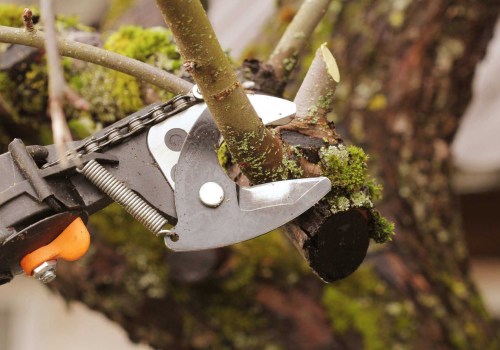
- Prune Correctly: Regular pruning helps remove dead or diseased branches, improving air circulation and light penetration within the canopy.
- Monitor for Pests: Keep an eye out for signs of pests or disease. Early detection is crucial for effective treatment.
Recognizing Symptoms of Tree Diseases
Recognizing the symptoms of tree disease is crucial for maintaining the health of your trees.Early detection can significantly improve the chances of effective treatment and management. Here are some common signs that indicate your tree may be suffering from a disease:
- Discoloration of Leaves: One of the first signs of trouble is often the color of the leaves. Yellowing, browning, or spotting can indicate various issues, including nutrient deficiencies or fungal infections.
- Wilting or Dropping Leaves: If your tree's leaves are wilting or falling off prematurely, it may be a sign of stress due to disease or environmental factors.
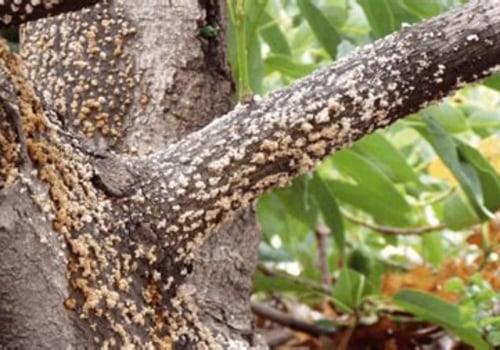
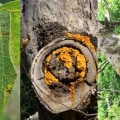
- Unusual Growths: Look for abnormal growths such as galls, cankers, or fungal fruiting bodies on the bark or leaves. These can be indicators of specific diseases that require immediate attention.
- Cracked or Peeling Bark: Damage to the bark can expose the tree to pathogens.
Cracks, splits, or peeling bark may suggest underlying health issues.
- Pest Infestation: Sometimes, pests like aphids or borers can weaken a tree and make it more susceptible to diseases. If you notice an increase in pest activity, it could be a sign that your tree is unhealthy.
Common Tree Diseases and Their Treatments
Understanding common tree diseases and their treatments is crucial for maintaining the health of your trees.Here are some prevalent tree diseases along with effective treatment options:
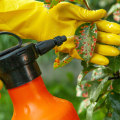
- Powdery Mildew: This fungal disease appears as a white powdery substance on leaves. To treat powdery mildew, apply a fungicide specifically designed for this issue, or use a homemade solution of water mixed with baking soda and a few drops of liquid soap.
- Root Rot: Caused by overwatering or poor drainage, root rot can be fatal. To treat this, improve soil drainage and remove affected roots. In severe cases, consider repotting the tree in fresh soil.
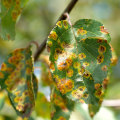
- Leaf Spot: This disease manifests as dark spots on leaves, often leading to premature leaf drop.
To manage leaf spot, remove infected leaves and apply a fungicide to prevent further spread.
- Canker Diseases: Cankers are sunken areas on the bark caused by fungi or bacteria. Prune away affected branches and apply a protective wound dressing to prevent infection.
- Anthracnose: This fungal disease affects various trees, causing leaf blight and twig dieback. Treatment includes pruning infected areas and applying fungicides during the early stages of infection.
Early detection is key to effective tree disease treatment. Furthermore, maintaining proper cultural practices—such as adequate watering, mulching, and fertilization—can significantly reduce the risk of disease. By being proactive and informed about common tree diseases treatment, you can ensure that your trees remain healthy and vibrant for years to come.
The Role of Soil Health in Tree Disease Prevention
Maintaining healthy soil is crucial for the overall health of trees and their ability to resist diseases. The quality of soil directly influences a tree's growth, nutrient uptake, and resilience against pathogens. When soil is rich in organic matter and well-aerated, it fosters a robust root system that can better absorb water and nutrients, ultimately leading to stronger trees.Soil management
practices play a significant role in enhancing soil health.Here are some effective strategies:
- Regular Testing: Conduct soil tests to determine pH levels and nutrient content. This information helps in making informed decisions about amendments needed to optimize soil conditions.
- Organic Matter Addition: Incorporate compost or well-rotted manure into the soil. This not only improves soil structure but also increases microbial activity, which is essential for nutrient cycling.
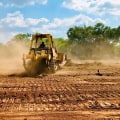
- Avoid Compaction: Limit heavy machinery use around trees to prevent soil compaction, which can restrict root growth and water infiltration.
- Mulching: Apply a layer of organic mulch around the base of trees. Mulch helps retain moisture, suppress weeds, and gradually adds nutrients back into the soil as it decomposes.
- Diverse Planting: Encourage biodiversity by planting various species of plants and cover crops.
This practice can enhance soil structure and reduce the risk of disease outbreaks.
Using Organic Solutions for Tree Disease Management
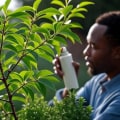
Managing tree diseases through organic solutions not only promotes the health of your trees but also supports a sustainable environment.By utilizing natural remedies, you can effectively combat various tree ailments while minimizing the impact on surrounding ecosystems.One of the most effective organic tree disease treatments involves the use of compost tea. This nutrient-rich liquid is made by steeping compost in water, allowing beneficial microorganisms to proliferate. When applied to the soil or foliage, compost tea can enhance soil health and boost the tree's immune system, making it more resilient against diseases.Another popular method is the application of neem oil, derived from the seeds of the neem tree. Neem oil acts as a natural pesticide and fungicide, effectively controlling pests and fungal infections without harming beneficial insects.
To use neem oil, dilute it with water and a few drops of dish soap, then spray it on affected areas of your trees.
- Garlic spray: Known for its antifungal properties, garlic can be used to create a potent spray that deters pests and prevents fungal growth. Blend garlic cloves with water, strain the mixture, and apply it to your trees.
- Baking soda solution: A simple mixture of baking soda and water can help control powdery mildew and other fungal diseases. Spray this solution on affected leaves to inhibit fungal growth.
- Copper-based fungicides: While not entirely organic, certain copper-based products are considered eco-friendly and can be effective against a range of tree diseases when used sparingly.
By combining these organic solutions with diligent care, you can foster a healthy environment for your trees to thrive.
When to Seek Professional Help for Tree Diseases
Understanding when to seek professional help for tree diseases is crucial for maintaining the health of your trees. While some minor issues can be managed with basic care, there are specific signs that indicate it’s time to call in an expert.Signs You Need Professional Help- Visible Symptoms: If you notice unusual leaf discoloration, wilting, or premature leaf drop, these could be signs of a serious issue. Additionally, if you see fungal growth on the bark or roots, it’s essential to consult a professional.
- Structural Damage: Trees that exhibit cracks in the trunk, leaning significantly, or have large dead branches may require an arborist's expertise to assess their stability and health.
- Pest Infestation: If you observe an increase in pests such as borers or aphids that are affecting your tree’s health, a professional can provide effective treatment options.
- Rapid Decline: A sudden decline in tree health over a short period is often a sign of disease or environmental stress. An arborist can diagnose the problem and recommend appropriate tree disease treatment.
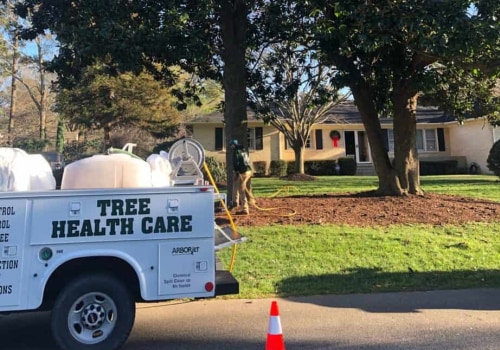
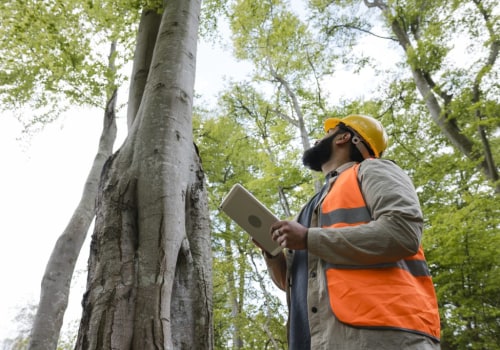
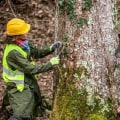
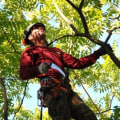
These professionals have the training and experience necessary to identify tree diseases and recommend effective treatments. They can also provide valuable advice on preventive measures to keep your trees healthy in the future. In summary, recognizing the right time to seek professional help can make all the difference in preserving your trees. Don’t hesitate to reach out for expert assistance if you notice any concerning signs; early intervention is key to successful tree disease treatment.
Frequently Asked Questions About Tree Health and Disease Treatment
Maintaining the health of your trees is crucial for their longevity and vitality. Here are some frequently asked questions regarding tree health and disease treatment.What are the signs of tree disease?
Identifying tree diseases early can make a significant difference in treatment outcomes.Common signs include:
- Discoloration of leaves or bark
- Wilting or drooping branches
- Unusual growths, such as galls or cankers
- Fungal growth on the trunk or soil
- Pest infestations, which can indicate underlying health issues
How can I prevent tree diseases?
Prevention is key to ensuring your trees remain healthy. Here are some effective strategies:- Regular inspections: Check your trees for any signs of disease or distress.
- Proper watering: Ensure trees receive adequate water, especially during dry spells.
- Mulching: Apply mulch around the base to retain moisture and suppress weeds.
- Pruning: Remove dead or diseased branches to improve air circulation.
- Soil health: Test and amend soil as needed to provide essential nutrients.
What should I do if I suspect my tree is diseased?
If you suspect your tree is suffering from a disease, consider the following steps:- Assess the symptoms: Take note of any visible signs and changes in your tree.
- Consult an arborist: A professional can provide a proper diagnosis and treatment plan.
- Avoid DIY treatments: Using unverified methods can worsen the condition.
- Follow treatment recommendations: Adhere to the advice given by professionals for the best results.